

Lightweight Climbing Carabiners For Camping: How To Pick The Best
What are the types of carabiners and how do you choose the right one?
Types of carabiners include non-locking, locking, screwgate, auto-locking, and specialty shapes like D, oval, and HMS. Choosing the right one depends on strength rating, gate type, and intended use. For climbing, use certified locking carabiners; for camping or gear organization, lightweight non-locking options are often enough.
Types Of Carabiners Explained: Choosing The Right One For You
Types of carabiners can seem confusing, but this guide to versatile outdoor carabiners breaks it down simply so you can climb smarter and safer. Learn how to choose strong climbing carabiners with confidence through this detailed guide to outdoor carabiner types, uncovering key differences, surprising uses, and pro tips that most beginners miss. Ready to discover which one could transform your next adventure?
⏱ 8 min read
Ever packed for a camping trip and realized your gear setup feels chaotic? You’re not alone. Choosing the right carabiner might seem small—but it can make or break your safety, organization, and overall outdoor experience. So, what gear actually makes camping easier?
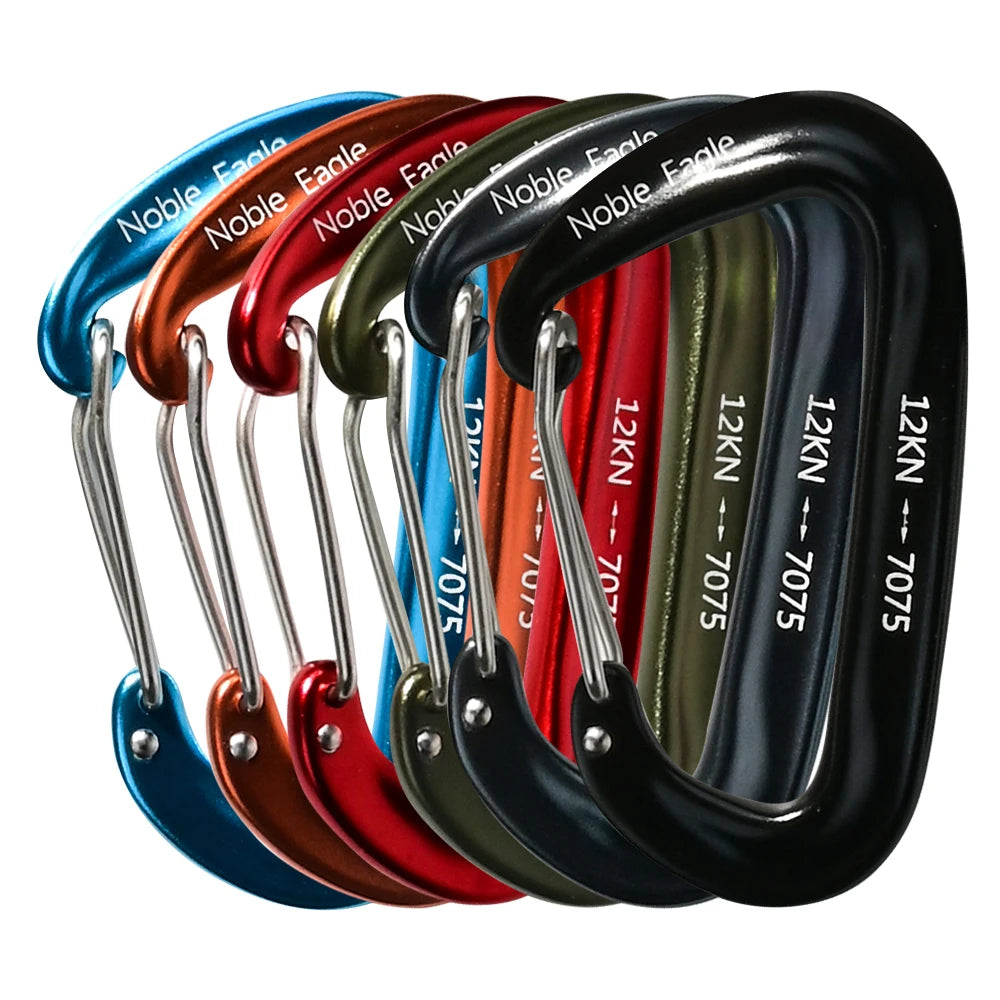
💡 See it in action
Why Choosing the Right Carabiner Makes Your Outdoor Experience Safer
Carabiners aren’t just metal clips—they’re critical connectors in your system. Whether you're securing gear, hanging food, or climbing, using the wrong type can lead to frustration or even danger.
- Prevents gear loss during hikes
- Improves load distribution for safety
- Saves time when setting up camp
- Enhances overall organization
Many campers report smoother setups after switching to proper carabiner types—especially when paired with storage from Camping Storage & Boxes.
Types of Carabiners Explained for Beginners
Types of carabiners vary based on locking mechanism, shape, and strength rating. The most common include non-locking for quick access, locking for safety-critical uses, and specialty designs like screwgate or auto-locking for added security. Each type is designed for specific outdoor scenarios, from climbing to camping.
Non-Locking Carabiners
Best for quick, lightweight tasks like attaching gear to your backpack.
- Easy to use
- Lightweight
- Not suitable for climbing
Locking Carabiners
Designed for safety. Ideal for climbing, belaying, or securing heavy loads.
- Manual or automatic locking
- High strength rating
- Reliable under pressure
Screwgate Carabiners
A popular locking option where you twist to secure the gate.
- Affordable and dependable
- Requires manual checking
Auto-Locking Carabiners
Locks automatically when closed—perfect for beginners.
- Quick and safe
- Great for frequent use
How This Carabiner Shape Guide Helps You Choose Faster
Shape affects strength, weight distribution, and usability more than most people realize.
- D-shape: Strongest and most efficient
- Oval: Balanced but slightly weaker
- HMS/Pear: Ideal for belaying
For campers, D-shape is often the best all-around option, especially when combined with compact gear from Lightweight Daypacks.
How to Choose Strong Climbing Carabiners Step by Step
- Check the strength rating (look for kN marking)
- Choose locking vs non-locking based on safety needs
- Select shape based on intended use
- Consider weight for portability
- Match with your gear system (ropes, packs, etc.)
For beginners, a versatile set like the 12kN aluminum carabiner set offers a great balance of strength and usability.
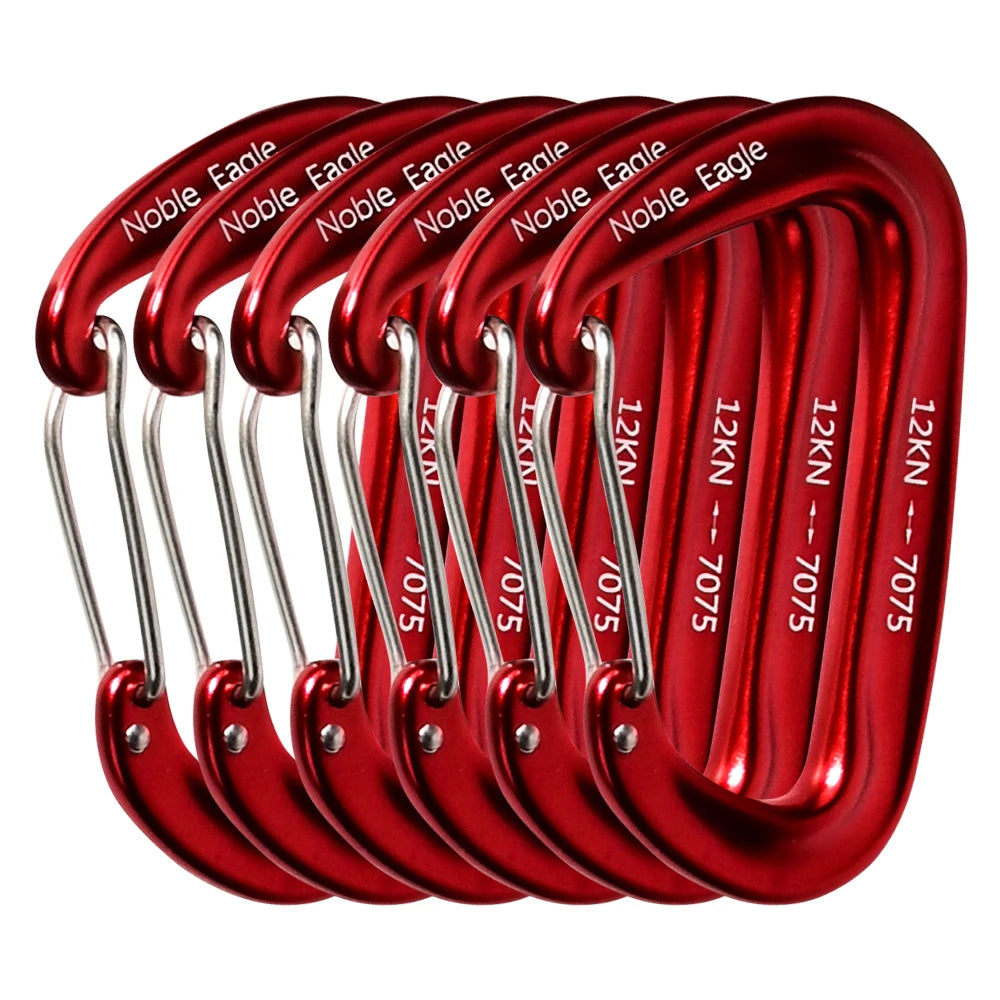
💡 See it in action
Unexpected Ways Carabiners Solve Everyday Outdoor Problems
Carabiners aren’t just for climbers. Here’s how campers and travelers use them:
- Hang lanterns from tents (pair with Tent & Camping Lanterns)
- Secure water bottles (see Collapsible Water Bottles)
- Organize cooking tools from Outdoor Cookware
- Attach gear to backpacks for quick access
One camper shared: “Switching to better carabiners cut my setup time in half and kept everything within reach.”
Quick Comparison of Carabiner Types
| Type | Best Use | Pros | Cons |
|---|---|---|---|
| Non-locking | Gear attachment | Lightweight, fast | Less secure |
| Locking | Climbing safety | Secure, strong | Heavier |
| Screwgate | General climbing | Reliable | Manual locking |
| Auto-locking | Frequent use | Quick, safe | Higher cost |
Avoid These Common Carabiner Mistakes
- Using non-rated carabiners for climbing
- Ignoring gate locking mechanisms
- Overloading beyond weight limits
- Choosing wrong shape for task
Pairing the right carabiner with gear from Backpacking & Carry can eliminate most of these issues.
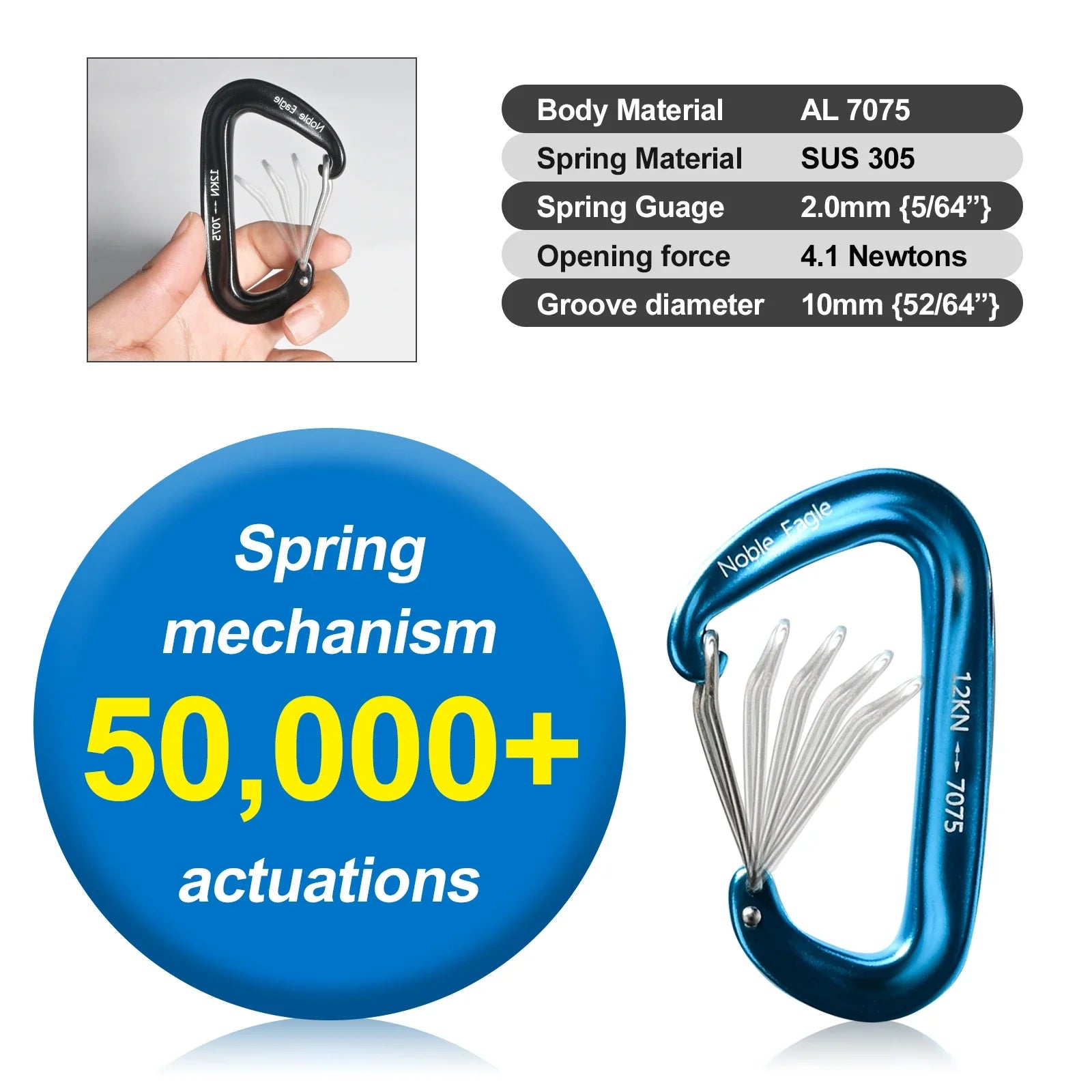
💡 See it in action
Make Your Next Adventure Easier with the Right Carabiner
The right carabiner simplifies your entire outdoor setup—saving time, improving safety, and reducing stress. Whether you're hiking, camping, or traveling, having dependable gear makes every trip smoother.
Frequently Asked Questions
What is the strongest type of carabiner?
D-shaped locking carabiners are generally the strongest due to their design, which directs weight toward the spine.
Can I use any carabiner for climbing?
No, only certified climbing carabiners with proper strength ratings should be used for safety-critical activities.
What size carabiner should I choose?
Choose based on your use—smaller for lightweight tasks, larger for heavy-duty or climbing applications.
Are aluminum carabiners strong enough?
Yes, high-quality aluminum carabiners offer excellent strength-to-weight ratio and are widely used in climbing and camping.
Pillar Article: How To Use A Heavy Duty Climbing Carabiner Safely
Other Related Articles:
- Carabiner Hook Clip Guide: Secure Your Gear Every Time
- Types Of Carabiners Explained: Choosing The Right One For You
- Quick Setup For Hammock With Clips: Step-By-Step Guide
Explore More:





