

Insulated Bag For Picnics: How To Pack It Right Step By Step
How do you pack an insulated bag for picnics properly?
To pack an insulated bag for picnics properly, start by layering cold items at the bottom and dry foods on top. Use ice packs strategically, separate raw and ready-to-eat foods, and minimize air gaps. This method helps maintain safe temperatures and improves freshness when using an insulated bag for picnics outdoors.
Insulated Bag For Picnics: How To Pack It Right Step By Step
Struggling with soggy sandwiches, warm drinks, or spoiled fruit halfway through your picnic? You’re not alone. Many outdoor meals go wrong simply because food isn’t packed correctly. What if a simple system could keep everything fresh, safe, and ready to enjoy all day long?
Make every outdoor meal easier, fresher, and more organized with smart packing essentials designed for real adventures.
What is an insulated bag for picnics and why does it matter?
An insulated bag for picnics is a thermal storage solution designed to maintain food temperature for hours during outdoor travel. It helps prevent spoilage, keeps cold items chilled, and preserves flavor. When packed correctly, it becomes essential for safe, enjoyable meals during hikes, beach days, and family outings.
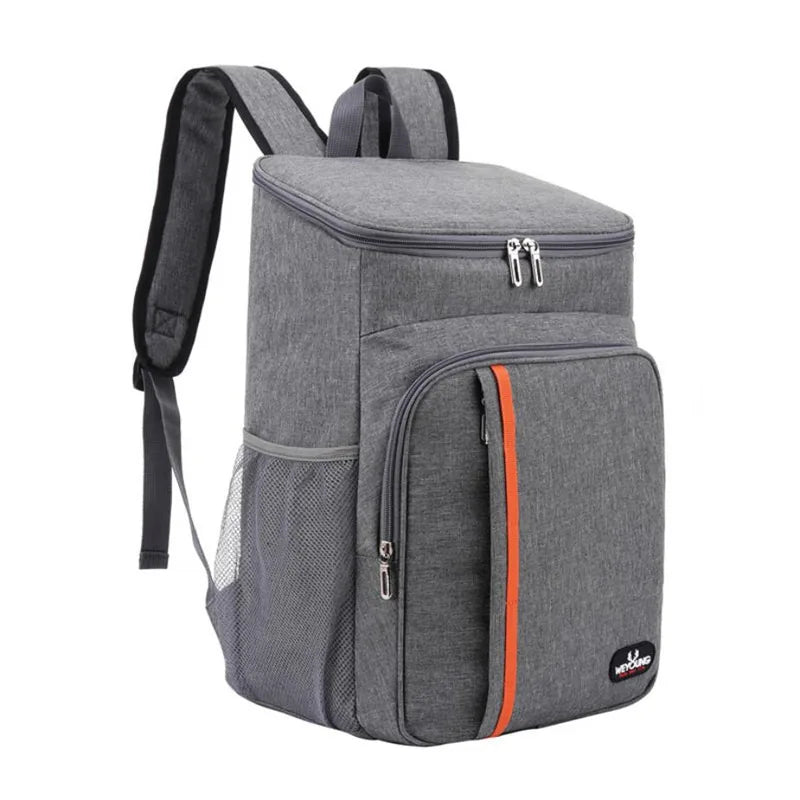
💡 See it in action
Think about arriving at the park and opening your bag to perfectly chilled drinks and crisp snacks instead of melted ice and warm fruit. That’s the difference proper packing makes. If you’ve ever wondered why others enjoy fresher picnics, it usually comes down to how they organize their food layers.
- Maintains safe food temperatures for hours
- Reduces risk of spoilage in warm weather
- Keeps drinks and snacks refreshing
- Improves organization and accessibility
Upgrade your outdoor setup with smarter storage and cooling solutions that simplify every trip.
Step-by-step method to pack your insulated picnic bag
What gear actually makes camping easier? The answer often lies in how well you prepare your food system before leaving home. Follow this structured approach to maximize freshness and convenience.
- Pre-chill your bag – Place ice packs inside 30 minutes before packing.
- Layer cold items first – Drinks, dairy, and meats go at the bottom.
- Add insulation barriers – Use containers or wraps between food layers.
- Pack dry foods on top – Keep bread, snacks, and fruits separate.
- Seal tightly – Minimize air exposure to maintain temperature.
Using structured packing methods ensures your insulated bag for picnics performs at its best, especially during long beach days or road trips.
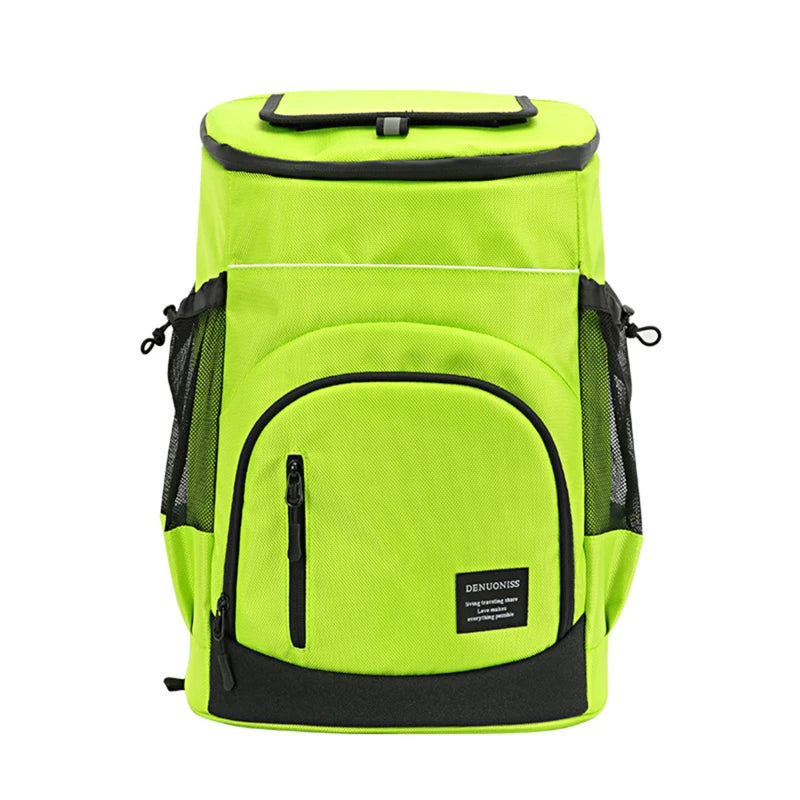
💡 See it in action
Food safety tips for outdoor trips
Outdoor meals require more care than indoor dining. Heat exposure can quickly lead to foodborne risks if items are not properly stored. These simple habits help protect your food and your health.
- Keep raw meat sealed in leak-proof containers
- Use separate compartments for ready-to-eat foods
- Avoid leaving the bag open for long periods
- Store perishable items closest to ice packs
Pairing your insulated bag with reliable Insulated Food Containers adds another layer of protection and helps maintain consistent temperature control throughout your trip.
How to organize beach picnic food efficiently
Beach trips bring extra challenges like heat, sand, and longer exposure to sunlight. Organization becomes essential when you want stress-free meals by the water.
- Use labeled containers for easy access
- Pack snacks in the order you’ll eat them
- Keep wet wipes and utensils in a side pocket
- Store drinks separately for quick reach
For families, pairing your setup with Group Picnic Accessories ensures everyone has what they need without digging through the bag repeatedly.
Pro tips for keeping picnic food fresh all day
Even experienced outdoor enthusiasts sometimes overlook small details that make a big difference. These advanced strategies help extend freshness and improve convenience.
- Freeze water bottles to double as ice packs
- Wrap sandwiches in parchment to prevent sogginess
- Use separate bags for snacks and perishables
- Keep the insulated bag in shade whenever possible
Many travelers also combine their setup with items from Hydration & Food Management to maintain both drink quality and food safety throughout the day.
Common picnic packing mistakes to avoid
Even a high-quality insulated bag for picnics won’t perform well if it’s packed incorrectly. Avoiding these mistakes can dramatically improve your outdoor experience.
- Overpacking and blocking airflow inside the bag
- Mixing raw and ready-to-eat foods
- Leaving the bag open too frequently
- Not using enough cooling elements
Instead, organize items in advance and use structured storage like Food Storage Bags & Containers to separate ingredients efficiently.
Why proper insulation improves every outdoor meal
When food stays at the right temperature, everything tastes better. Drinks stay refreshing, fruits stay crisp, and meals remain safe to eat even after hours outdoors. A well-packed insulated bag for picnics transforms unpredictable outings into enjoyable, stress-free experiences for families and groups alike.
Real outdoor experience: what users notice first
Picnic-goers often report the same surprise after switching to structured packing methods: less waste and more enjoyable meals. Families especially appreciate how easy it becomes to serve food without constant sorting or cleanup.
Many also combine their setup with Picnic Mats & Blankets to create a comfortable, organized outdoor dining space that feels more like home.
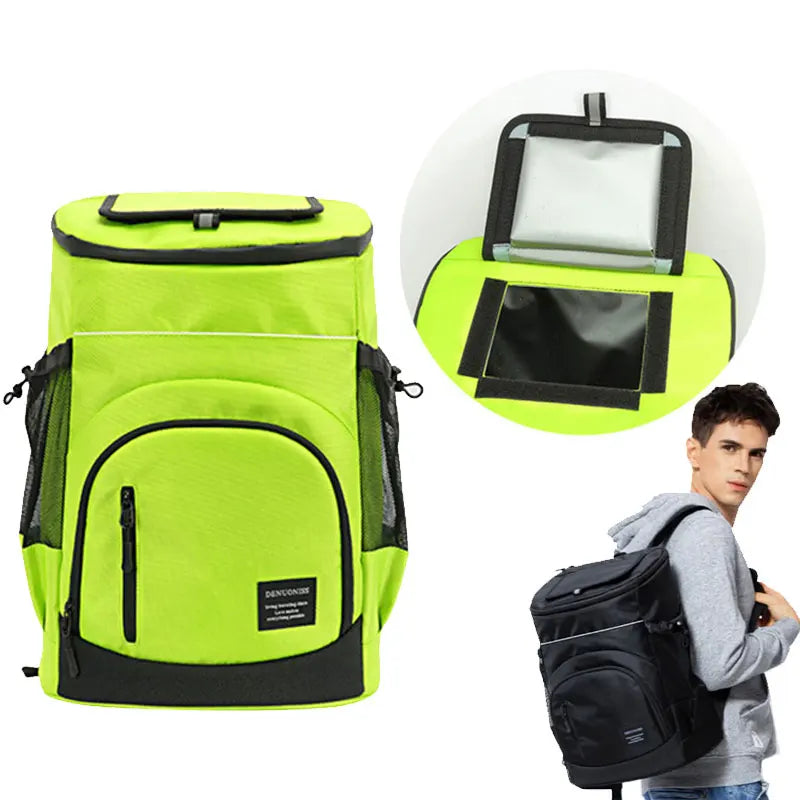
💡 See it in action
FAQ
How long does food stay fresh in an insulated picnic bag?
Most insulated bag for picnics setups keep food fresh for 4–8 hours depending on ice use, external temperature, and packing method. Proper layering significantly improves performance.
Can I store hot and cold food together?
It’s best to separate hot and cold items. Mixing them reduces efficiency and can affect food safety and taste quality.
What is the best way to clean an insulated picnic bag?
Wipe interior surfaces with mild soap and warm water after each use. Let it air dry completely to prevent odor buildup and bacteria growth.
Do ice packs work better than loose ice?
Yes, ice packs are cleaner, last longer, and prevent leaks that could ruin food packaging.
Final thought: A well-organized insulated bag for picnics is more than storage—it’s the difference between a stressful outdoor meal and a smooth, enjoyable experience from the first bite to the last sip.
Pillar Article: Packing A Cooler: Step-By-Step Guide For Fresh Food All Day
Other Related Articles:
- Insulated Backpack For Beach Trips: How To Pack Efficiently
- Food To Pack For A Picnic: Easy Setup For A Stress-Free Day
- Hands Free Cooler: How To Carry Drinks Without Spills
Explore More:





