

Hydration Pack For Cycling: Best Options Compared
Is a hydration pack for cycling worth it?
A hydration pack for cycling keeps water accessible without stopping, helping riders stay hydrated and maintain performance on long rides. Compared to bottles, it improves balance, reduces interruptions, and carries extra gear. For commuting or endurance cycling, it’s one of the most efficient hydration solutions available.
Hydration Pack For Cycling: Best Options Compared
A hydration pack for cycling can transform long rides by keeping water accessible and your posture balanced. If you’ve wondered how to stay hydrated on bike rides, the best ways to carry water cycling, or even followed a guide to ergonomic backpacks for biking, this comparison breaks it down simply. We also tackle the big question: are hydration backpacks worth it for biking? From comfort to capacity, discover smarter choices that could change every ride—are you using the right one?
⏱ 8 min read
Ever run out of water mid-ride or struggled to grab a bottle while navigating traffic or trails? That frustration is common. The right setup removes that stress and lets you focus on the ride itself.
👉 Discover must-have cycling gear for better rides
Explore smart hydration solutions and accessories in Hydration & Food to simplify your setup.
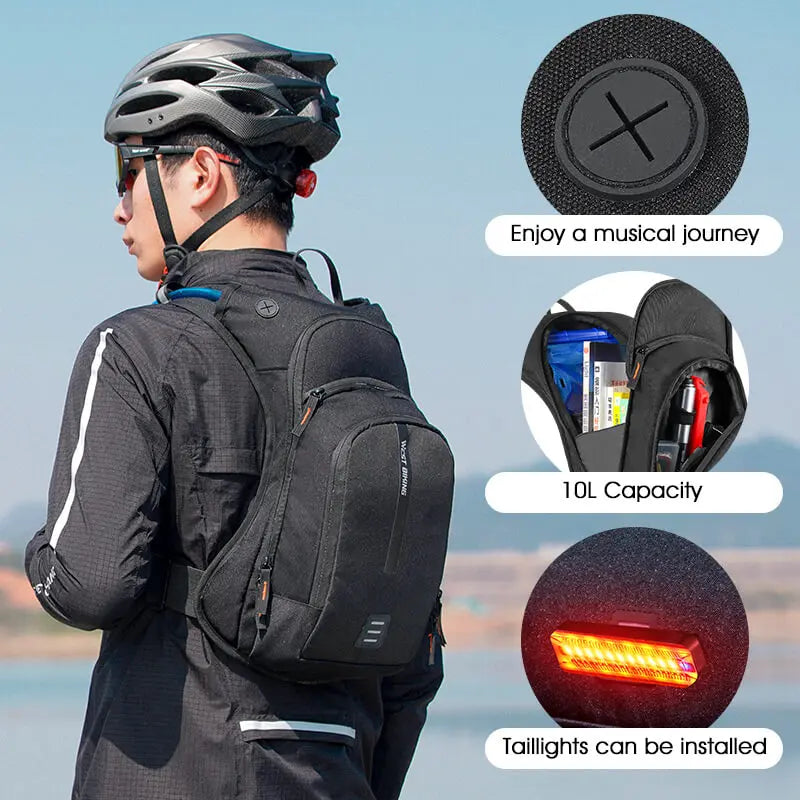
💡 See it in action
Why Hydration Packs Make Cycling Easier on Every Ride
A hydration pack for cycling allows continuous sipping without breaking rhythm. Instead of reaching for bottles, riders drink through a tube, which improves safety and consistency.
- Hands-free hydration during climbs and descents
- Better weight distribution across your back
- Extra storage for tools, snacks, and essentials
- Reduced need for frequent stops
Many cyclists report fewer cramps and more consistent energy simply by drinking more often. That’s a small change with a big impact.
Best Hydration Pack Options Compared
| Type | Capacity | Best For | Pros | Cons |
|---|---|---|---|---|
| Minimalist Pack | 1.5–2L | Short rides, commuting | Lightweight, compact | Limited storage |
| Mid-Range Pack | 2–3L | Trail rides, fitness cycling | Balanced storage + hydration | Slightly heavier |
| Adventure Pack | 3L+ | Long-distance rides | Large capacity, gear storage | Bulkier |
If you’re combining cycling with outdoor activities, pairing your pack with items from Backpacking & Carry helps streamline gear organization.
👉 Learn how to choose the right hydration setup
Check out the 10L Ultralight Cycling Backpack for a balanced option designed for comfort and performance.
How to Choose the Right Hydration Pack for Cycling
- Pick the right capacity: Short rides need 1.5–2L; longer rides require 3L or more.
- Check fit and adjustability: Look for chest and waist straps to prevent bouncing.
- Evaluate ventilation: Breathable back panels reduce sweat buildup.
- Look for storage compartments: Keep tools, snacks, and valuables organized.
Small details like hose placement and bite valve quality can make a noticeable difference during long rides.
Guide to Ergonomic Backpacks for Biking Comfort
Comfort is often overlooked until it becomes a problem. A poorly fitted pack can cause shoulder strain or back fatigue.
- Choose lightweight materials to reduce load stress
- Look for airflow channels to prevent overheating
- Ensure snug fit to minimize shifting during rides
- Use compression straps for stability
Many riders combine hydration packs with compact storage from Gear Organizers & Pouches to keep essentials accessible without clutter.
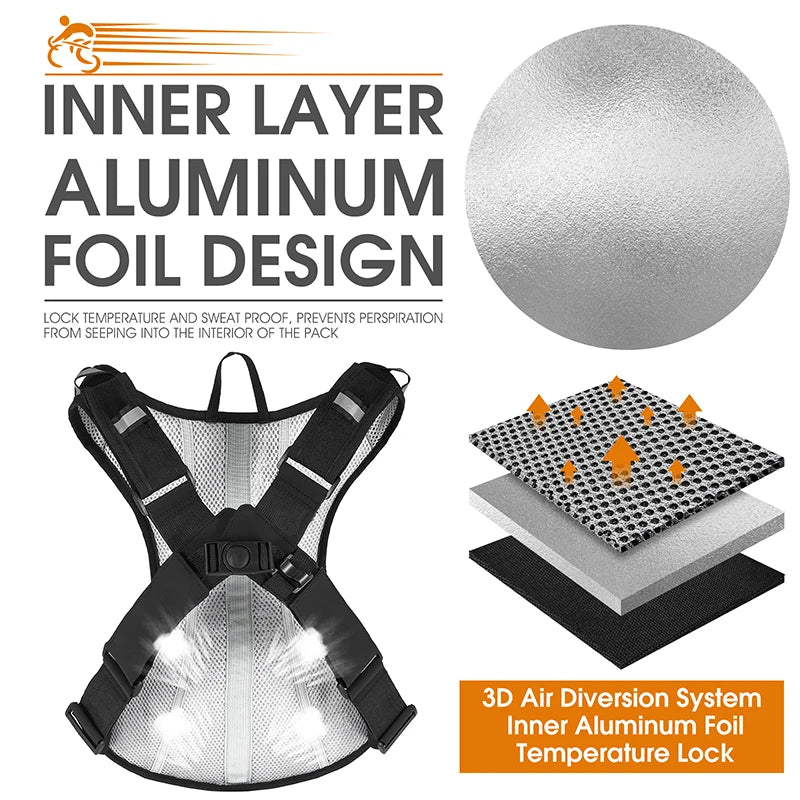
💡 See it in action
Best Ways to Carry Water Cycling (And When to Use Them)
Hydration packs aren’t the only option. Depending on your ride, alternatives might work better.
- Water bottles: Ideal for short rides and easy refills
- Frame-mounted systems: Good balance but limited capacity
- Collapsible bottles: Lightweight and space-saving, available in Collapsible Water Bottles
- Hydration packs: Best for long rides and hands-free convenience
The key is matching your hydration method to your ride duration and terrain.
Are Hydration Backpacks Worth It for Biking?
A hydration pack for cycling is worth it for riders who value convenience, endurance, and comfort. It allows consistent hydration without stopping, carries essential gear, and improves ride efficiency. For long-distance cyclists or commuters, it often replaces multiple bottles and reduces overall hassle.
- Best for: Long rides, trail cycling, commuting
- Less ideal for: Short, casual rides
- Biggest benefit: Consistent hydration improves performance
- Common drawback: Slightly heavier than bottle setups
Real-world feedback shows that once riders switch to hydration packs, they rarely go back to bottles alone.
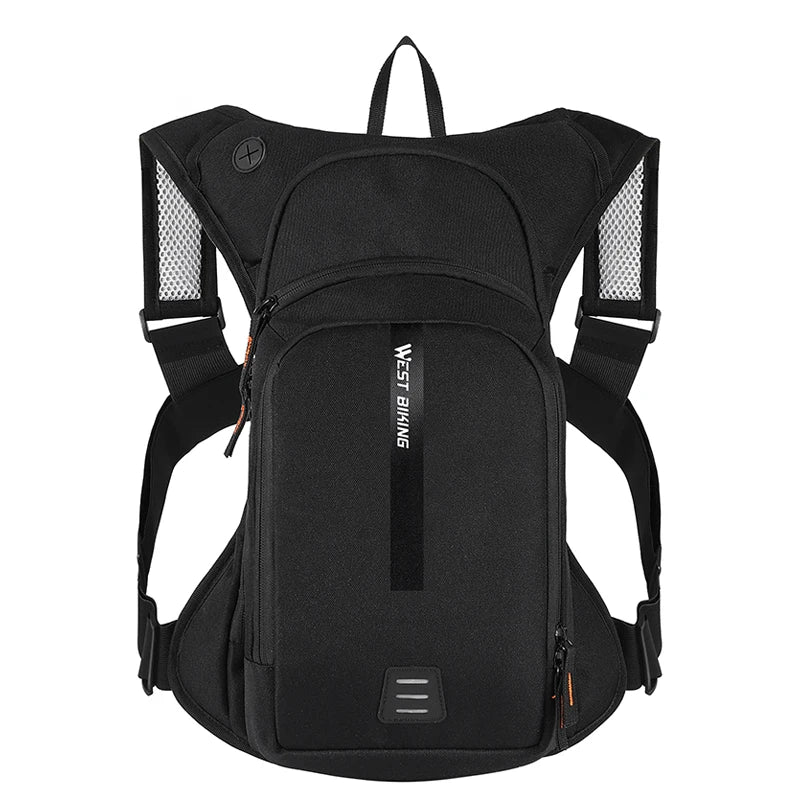
💡 See it in action
👉 Get yours now before your next ride!
Upgrade your cycling experience with the 10L Ultralight Cycling Backpack and ride longer with confidence.
FAQs
How do you stay hydrated on long bike rides?
Drink small amounts consistently every 10–15 minutes. Using a hydration pack for cycling makes this easier by providing hands-free access to water, helping maintain energy and prevent dehydration.
What size hydration pack is best for cycling?
For most riders, a 2–3L hydration pack offers the best balance between water capacity and comfort. Longer rides or hot climates may require larger reservoirs.
Are hydration packs better than water bottles?
Hydration packs provide easier access and larger capacity, while bottles are simpler and lighter. Packs are generally better for long-distance cycling and technical terrain.
Can hydration packs carry more than water?
Yes, most hydration packs include compartments for tools, snacks, and personal items, making them a versatile solution for extended rides.
Pillar Article: Best Hydration Backpacks For Hiking: Top Picks Compared
Other Related Articles:
- Hydration Backpack For Mountain Biking: Top Models Compared
- Hiking Backpack Hydration Pack: Best Options Side-By-Side
- Hydration Backpack With Bladder: Which Ones Are Worth It
- Lightweight Hydration Packs: Best Picks Compared For Comfort
Explore More:





