

Hydration Backpack For Biking: Key Benefits Explained Clearly
Does a hydration backpack for biking really work?
A hydration backpack for biking keeps water accessible without stopping, helping riders maintain steady energy and hydration. Compared to bottles, it reduces interruptions, balances weight across your back, and supports longer rides. Many cyclists find it improves comfort, endurance, and focus—especially on hot days or extended routes.
Hydration Backpack For Biking: Key Benefits Explained Clearly
⏱ 6 min read — Long rides, traffic stops, and limited bottle space can turn a great cycling day into a frustrating one. Ever reached for water mid-ride and realized it slows you down? A hydration backpack for biking solves this by keeping water within reach while improving comfort, balance, and endurance.
What gear actually makes biking easier without adding bulk or hassle? For many riders, the answer is a well-designed hydration system that keeps them moving without interruption.
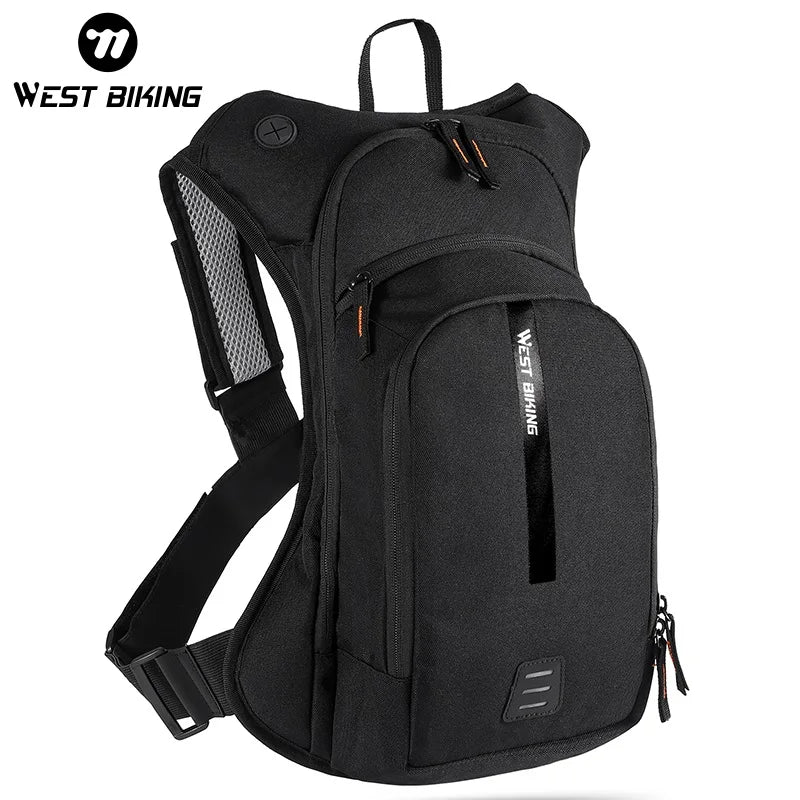
💡 See it in action
Explore smart solutions in Hydration & Food
Why Hydration Backpacks Work Better Than Bottles
A hydration backpack for biking distributes water weight evenly across your back instead of concentrating it on the frame. This improves bike handling and reduces strain on your arms and shoulders.
Unlike bottles, you don’t need to slow down or reach awkwardly. Just sip through the tube and keep your momentum going.
- No stopping or losing rhythm
- Consistent hydration every few minutes
- Better balance on rough terrain
- More storage for tools and essentials
Key Benefits That Improve Every Ride
A hydration backpack for biking improves comfort, hydration efficiency, and endurance by providing hands-free water access and balanced weight distribution. It helps riders maintain steady energy, avoid dehydration, and carry essentials without compromising movement—making it ideal for both short commutes and long-distance cycling.
1. Hands-Free Hydration Boosts Endurance
Small, frequent sips keep your body hydrated more effectively than occasional gulps. This prevents fatigue and helps maintain performance over longer distances.
2. Bounce-Free Design Improves Stability
A bounce free cycling backpack with hydration system stays snug against your body, reducing distractions and keeping your focus on the road.
3. Smart Storage Keeps Essentials Organized
Carry tools, snacks, and gear without needing extra bags. Pair it with Gear Organizers & Pouches for even better organization.
4. Ergonomic Fit Reduces Back Strain
The best ergonomic backpacks for long bike rides use breathable padding and adjustable straps to distribute weight evenly and reduce pressure points.
Hydration Backpack vs Water Bottles
| Feature | Hydration Backpack | Water Bottles |
|---|---|---|
| Access to water | Hands-free, instant | Requires reaching |
| Hydration frequency | Frequent sipping | Less consistent |
| Weight distribution | Even across back | Frame-focused |
| Storage space | High | Minimal |
| Best for | Long rides, trails | Short commutes |
Features That Actually Make a Difference
Not all hydration packs are built the same. The right features can transform your riding experience.
- Lightweight build: Reduces fatigue over long distances
- Ventilated back panel: Keeps airflow steady and minimizes sweat
- Secure straps: Prevents bouncing on rough terrain
- Durable water bladder: Leak-proof and easy to clean
For added protection on unpredictable routes, combine your setup with gear from Waterproof & Dry Bags.
Explore lightweight options in Lightweight Daypacks
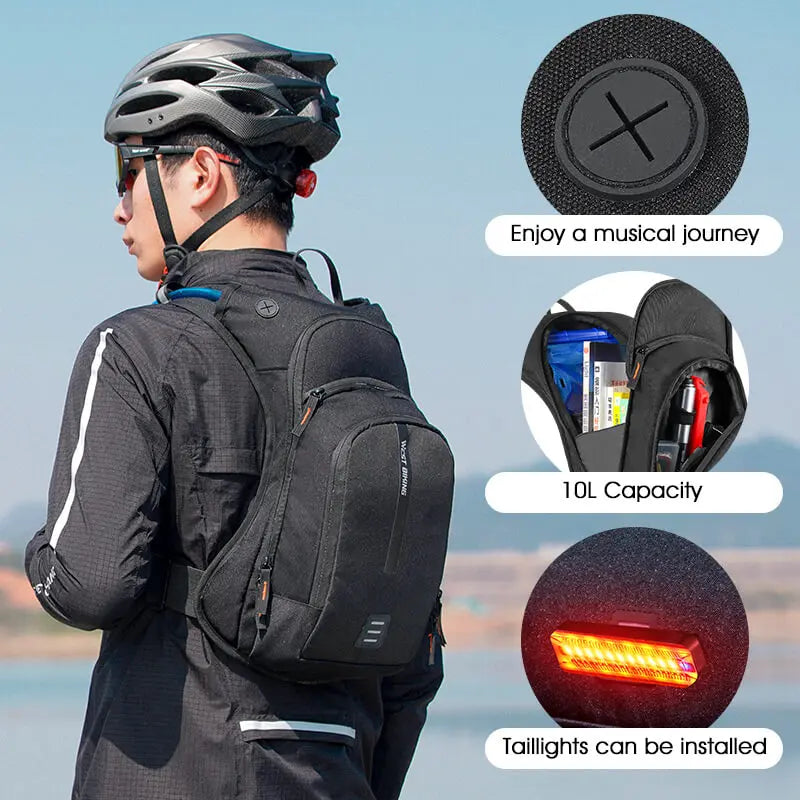
💡 See it in action
How to Stay Hydrated on Bike Rides Easily
Consistency is key when it comes to hydration. Here’s how to make it effortless:
- Take small sips every 10–15 minutes
- Refill before you feel thirsty
- Use electrolyte mixes on long rides
- Keep your hydration system clean and ready
For longer adventures, consider pairing your pack with tools from Personal Water Filters to refill safely anywhere.
Real Rider Experiences and Comfort Gains
Cyclists often report noticeable improvements after switching to hydration backpacks:
- “I stopped planning rides around water stops.”
- “My back feels more balanced compared to carrying bottles.”
- “I drink more often without thinking about it.”
These small changes add up to better endurance, smoother rides, and more enjoyment overall.
How to Choose the Right Pack for Your Ride
Choosing the right hydration backpack depends on your riding style and duration.
- Short commutes: Compact, minimal storage
- Trail riding: Secure fit and durability
- Long-distance rides: Larger capacity and ergonomic support
Also consider adding safety gear from Gloves & Protective Gear for better control and comfort.
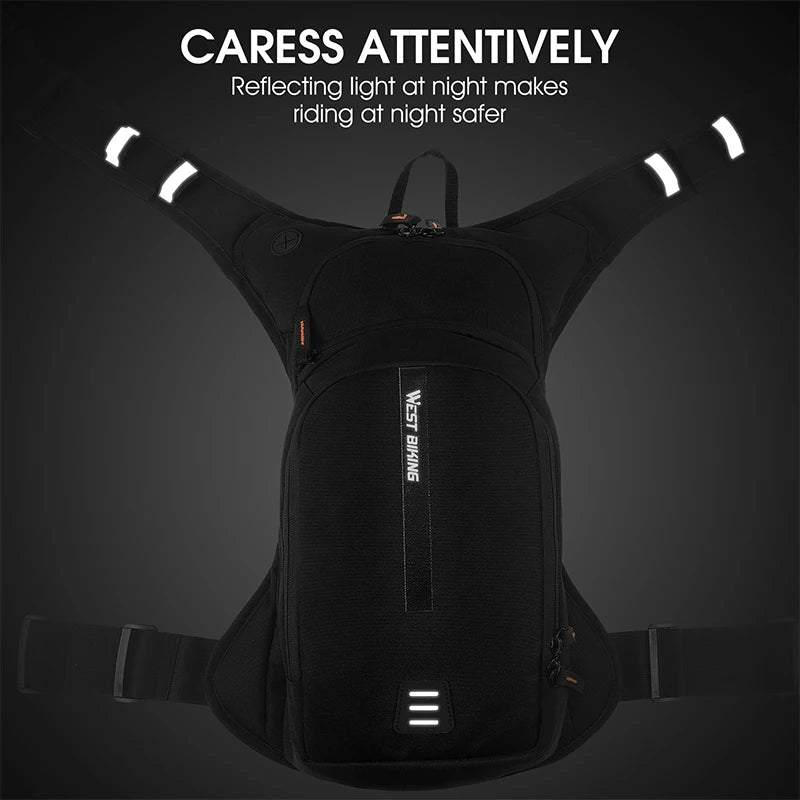
💡 See it in action
Ready to Upgrade Your Ride?
A hydration backpack transforms how you ride—less stopping, more flow, and better performance. Whether you're commuting or tackling long trails, it keeps hydration simple and efficient.
Check out the perfect fit here: 10L Ultralight Cycling Backpack
Frequently Asked Questions
Are hydration backpacks worth it for biking?
Yes, they allow hands-free hydration, improve balance, and reduce the need for stops, making rides smoother and more efficient.
Do hydration backpacks feel heavy?
When properly fitted, they distribute weight evenly across your back, often feeling lighter than carrying water bottles on your bike.
How much water should I carry?
For most rides, 1.5 to 3 liters is enough. Longer rides or hot conditions may require more.
Can beginners use hydration backpacks?
Absolutely. They’re simple to use and help new riders build better hydration habits from the start.
Pillar Article: Backpack Hydration Pack: How Features Boost Real Performance
Other Related Articles:
Explore More:





