

Hooks For A Hammock: Carabiner Options For Easy Setup
Which carabiner for fall protection works best?
A carabiner for fall protection works best when it is rated for high strength (typically 20kN or more), uses a secure locking mechanism, and resists accidental gate opening under load. Choosing the right shape and material—and using it correctly—helps prevent carabiner failure outdoors and ensures reliable performance in critical situations.
Carabiner For Fall Protection: Which Type Works Best
A carabiner for fall protection isn’t just a clip—it’s your last line of defense when things go wrong. Understanding how to prevent carabiner failure outdoors can mean the difference between safety and serious risk. We break down reviews of heavy-duty climbing carabiners and explore high-strength outdoor gear attachment clips that outperform under pressure. Discover which designs hold up in real-world conditions and why small details matter more than you think—are you choosing the right one?
⏱ 8 min read
Ever clipped into your system and wondered if that small piece of metal could truly hold your life? Whether you're working at height, hiking rugged terrain, or setting up camp gear, one weak link can turn a simple moment into a dangerous one.
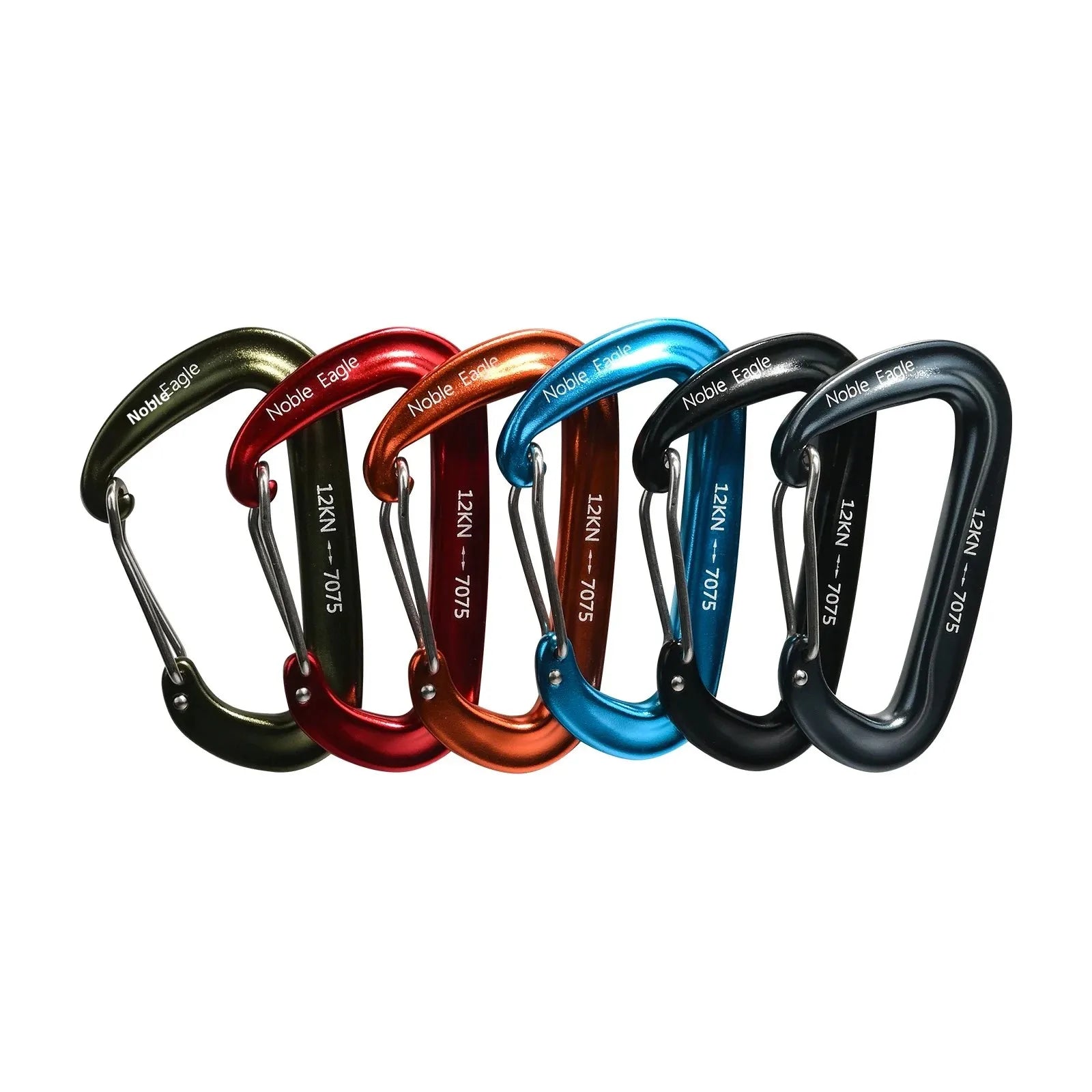
💡 See it in action
Why Choosing the Right Carabiner Matters for Safety
When you're suspended above ground or securing essential gear, your carabiner is under immense stress. A poor-quality clip can fail due to metal fatigue, improper loading, or accidental gate opening.
Outdoor users often report that switching to certified, high-strength clips improved both safety and confidence—especially in unpredictable environments.
- Prevents accidental unclipping
- Handles high loads without deformation
- Reduces risk of gate flutter during falls
- Ensures consistent performance in harsh weather
For complete gear setups, explore Safety, Survival & Emergency essentials that complement your protection system.
How Different Carabiner Types Improve Fall Protection
A carabiner for fall protection must match your activity and load requirements. The wrong type can compromise safety—even if it looks strong.
Locking Carabiners: Your Primary Defense
These are essential for fall protection. They prevent accidental opening under tension.
- Screwgate: Reliable and simple
- Twist-lock: Faster operation with automatic closure
- Auto-lock: Maximum safety for critical applications
D-Shaped Carabiners: Strength Where It Matters
The D-shape directs force toward the spine—the strongest part—making it ideal for load-bearing situations.
Oval Carabiners: Balanced but Less Specialized
These distribute weight evenly but lack the optimized strength of D-shapes for fall protection scenarios.
Wiregate vs Solid Gate
- Wiregate: Lightweight but less secure for fall arrest
- Solid gate: Heavier but more reliable under dynamic loads
Pair your clips with storage solutions from Gear Organizers & Pouches to prevent damage during transport.
How to Prevent Carabiner Failure Outdoors
Even the strongest carabiner can fail if used incorrectly. Understanding real-world risks is critical.
- Avoid cross-loading: Always load along the spine
- Check gate closure: Ensure it fully locks every time
- Inspect for wear: Look for cracks, burrs, or corrosion
- Use rated gear only: Avoid decorative or non-certified clips
- Keep clean and dry: Dirt can compromise locking mechanisms
One camper shared how a dusty locking sleeve nearly caused a failure during a climb—regular cleaning prevented a serious accident later.
Carabiner Types Comparison for Fall Protection
| Type | Best Use | Strength | Safety Level |
|---|---|---|---|
| Locking D-Shape | Fall protection systems | Very High | Excellent |
| Oval | Gear organization | Moderate | Good |
| Wiregate | Lightweight setups | Moderate | Fair |
| Auto-lock | Professional safety use | Very High | Maximum |
Explore more options in Hooks, Clips & Carabiners to find the right fit for your setup.
How This Carabiner Fits Your Outdoor Needs
Not all users need the same level of protection. Matching features to your situation ensures better performance.
- For hikers: Lightweight locking clips for securing packs
- For climbers: High-strength D-shaped auto-locking carabiners
- For campers: Multi-purpose clips for gear and safety backup
- For workers: Certified fall arrest carabiners with high kN ratings
Combine your setup with Backpacking & Carry solutions to streamline your loadout.
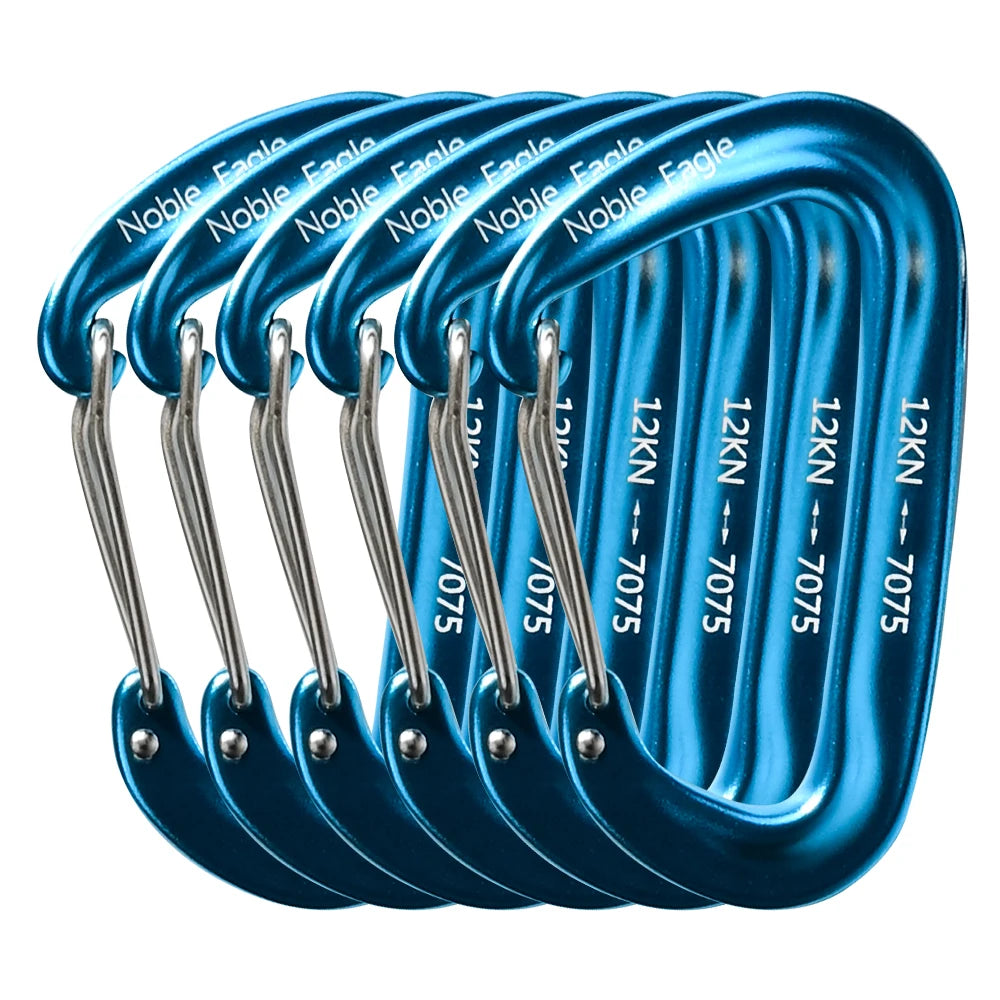
💡 See it in action
Real Reviews of Heavy-Duty Climbing Carabiners
Outdoor users consistently highlight three features that matter most:
- Durability: Aluminum alloy holds up under repeated stress
- Ease of use: Smooth locking mechanisms save time
- Confidence: Reliable clips reduce hesitation in critical moments
One hiker noted: “Switching to a 12kN-rated clip made a noticeable difference—I stopped worrying about gear slipping during steep climbs.”
Another camper shared: “Using stronger clips improved how I secure tarps and gear during storms—it’s a small upgrade with a huge impact.”
Why This Option Stands Out
A well-designed carabiner balances strength, weight, and usability. Features like corrosion resistance, ergonomic gates, and high load ratings make a noticeable difference in real conditions.
👉 Get yours now before your next trip!
Quick Safety Checklist Before Every Use
- Check for visible damage
- Ensure gate locks securely
- Avoid side loading
- Confirm weight rating meets your needs
- Replace worn-out clips immediately
Pair your safety setup with First Aid Kits to stay prepared for unexpected situations.
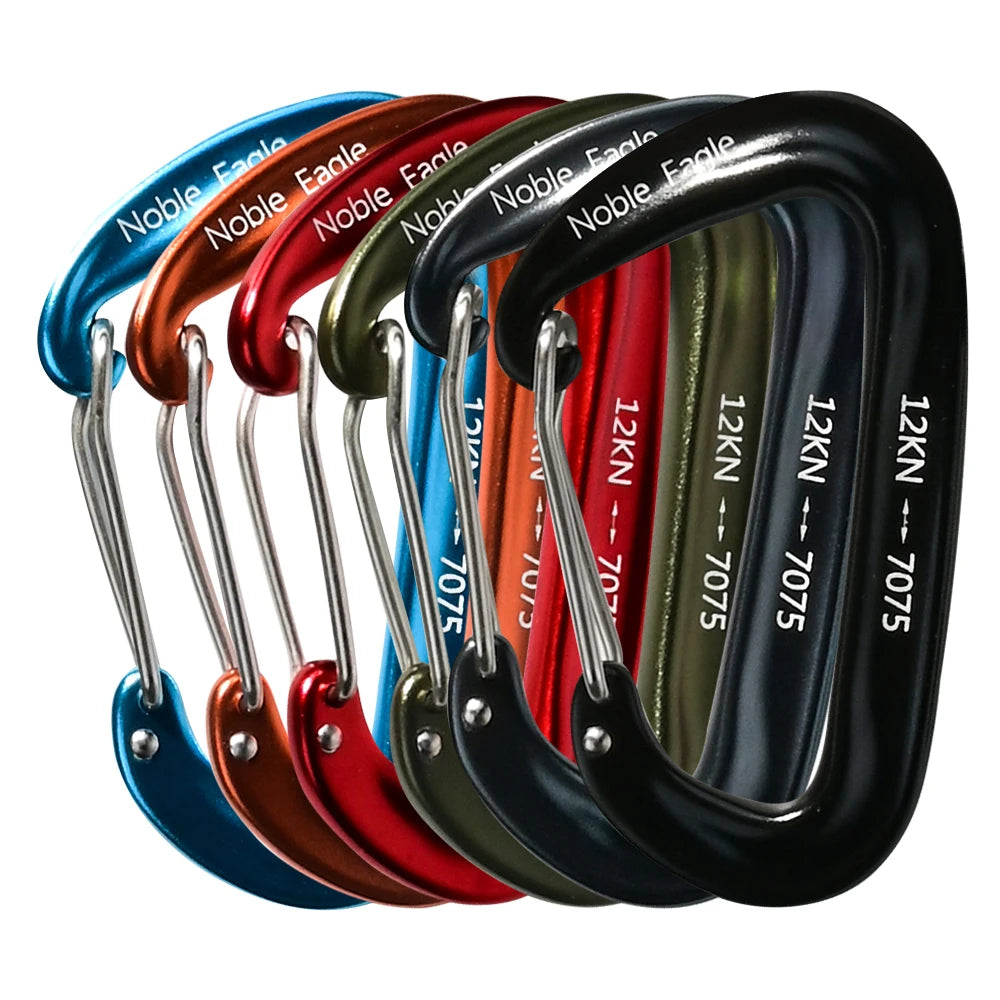
💡 See it in action
Frequently Asked Questions
What strength rating should a carabiner for fall protection have?
A carabiner used for fall protection should typically be rated at 20kN or higher along the major axis. This ensures it can handle dynamic loads during a fall without failing.
Can I use any carabiner for safety applications?
No. Only certified, load-rated carabiners should be used for fall protection. Decorative or lightweight clips are not designed to handle high stress and can fail unexpectedly.
How often should I replace my carabiner?
Replace your carabiner immediately if you notice cracks, deformation, or gate malfunction. Even without visible damage, frequent users should inspect gear regularly and replace it after heavy use cycles.
Choosing the right carabiner isn’t about convenience—it’s about safety, confidence, and being prepared when it matters most.
Pillar Article: Best Carabiners For Keys: Choosing The Right Fit For Every Use
Other Related Articles:
Explore More:





