

Carabiner For Fall Protection: Which Type Works Best
Does a carabiner for fall protection really work?
A carabiner for fall protection works when it’s properly rated, correctly used, and regularly inspected. High-strength locking designs can handle thousands of pounds of force, reducing failure risk outdoors. Choosing the right type and avoiding misuse—like cross-loading—are key to dependable safety in real-world conditions.
Carabiner For Fall Protection: Which Type Works Best
A carabiner for fall protection isn’t just a clip—it’s your last line of defense when things go wrong. Understanding how to prevent carabiner failure outdoors can mean the difference between safety and serious risk. We break down reviews of heavy-duty climbing carabiners and explore high-strength outdoor gear attachment clips that outperform under pressure. Discover which designs hold up in real-world conditions and why small details matter more than you think—are you choosing the right one?
⏱ 7 min read
Ever clipped into your gear and wondered if it will actually hold when it matters most? Whether you're hiking rugged terrain, setting up camp, or securing equipment, the right carabiner can make or break your outdoor experience.
👉 Discover must-have camping gear that keeps you safe and prepared outdoors.
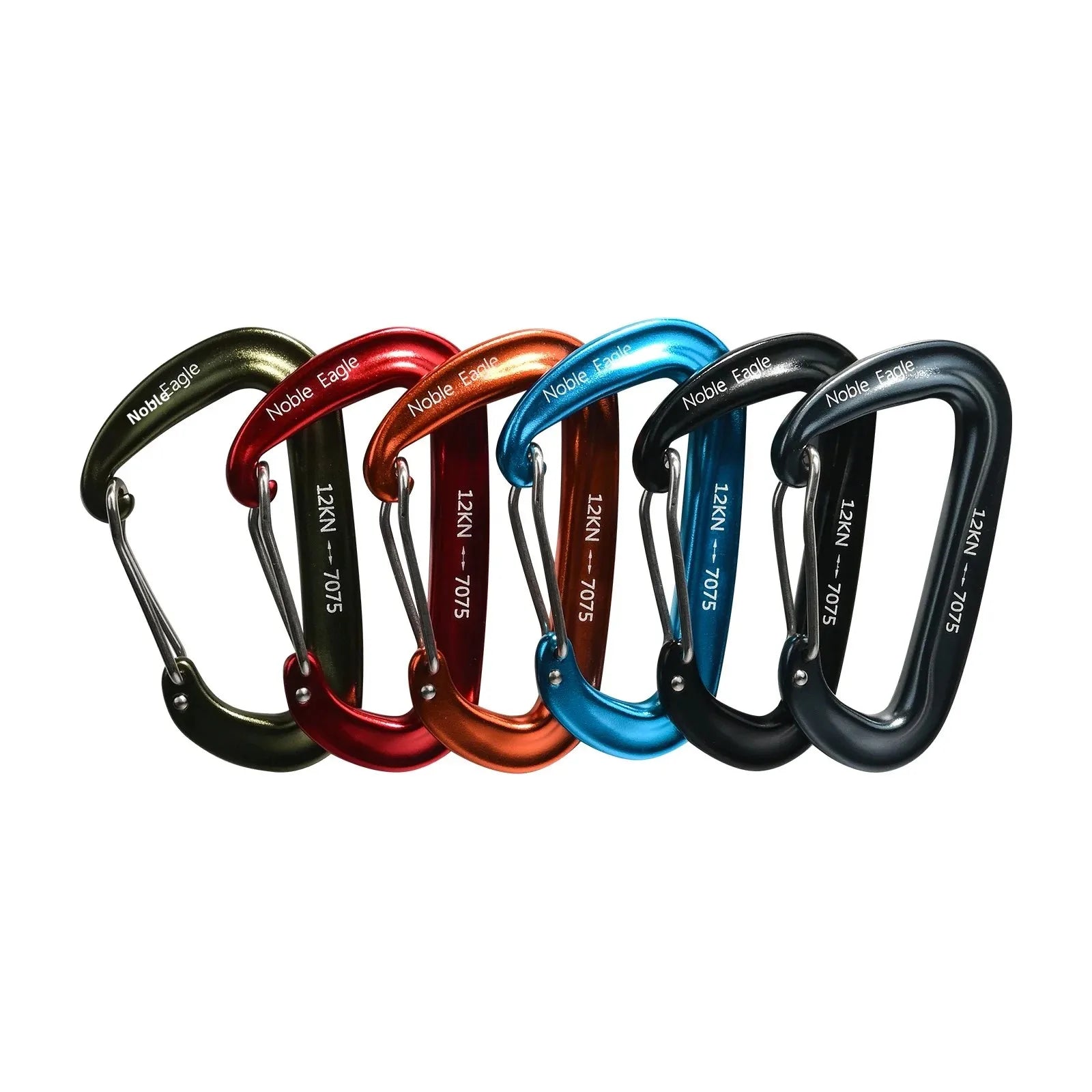
💡 See it in action
What Is a Carabiner for Fall Protection and Why It Matters
A carabiner for fall protection is a specialized metal clip designed to secure loads and prevent falls during climbing, hiking, or work-at-height situations. Unlike basic clips, these are tested under extreme force and built to resist breakage, gate failure, and accidental opening.
Outdoor users often underestimate how much stress a simple fall can create. Even a short slip can generate force far beyond body weight, making strength ratings critical.
- Rated strength (kN) determines load capacity
- Locking mechanisms prevent accidental opening
- Shape affects load distribution and safety
- Material impacts durability and weight
For reliable gear organization and safety, explore Hooks, Clips & Carabiners designed for outdoor performance.
Which Types of Carabiner Work Best for Fall Protection?
A carabiner for fall protection works best when it combines high strength (typically 20–25 kN), a secure locking mechanism, and a shape that prevents cross-loading. Screwgate and auto-locking carabiners are preferred for safety-critical use, while D-shaped designs distribute force more efficiently than oval ones.
🔒 Locking Carabiners: Your First Choice
Locking carabiners are essential for fall protection. They reduce the chance of accidental gate opening.
- Screwgate: Manual but reliable
- Auto-locking: Fast and secure under pressure
- Triple-action: Maximum safety for critical use
⚙️ Shape Matters More Than You Think
- D-shape: Strongest and most efficient load distribution
- Oval: Balanced but less strength-focused
- Pear-shaped: Ideal for belaying and versatility
🧱 Material Differences
- Aluminum: Lightweight, great for hiking
- Steel: Heavier but extremely durable for industrial use
👉 Learn how to choose the right hiking gear for safety and performance before your next trip.
How to Prevent Carabiner Failure Outdoors
Knowing how to prevent carabiner failure outdoors is just as important as choosing the right one. Most failures happen due to misuse—not manufacturing defects.
- Avoid cross-loading: Keep force along the spine
- Check gate closure: Ensure it fully locks every time
- Inspect regularly: Look for cracks, wear, or deformation
- Match gear compatibility: Avoid sharp edges or mismatched systems
- Keep clean: Dirt can affect locking mechanisms
Pair your setup with Gloves & Protective Gear to maintain grip and handling safety in wet or cold conditions.
Quick Comparison: Which Carabiner Should You Choose?
| Type | Best For | Pros | Cons |
|---|---|---|---|
| Screwgate | General outdoor use | Simple, reliable | Requires manual locking |
| Auto-locking | High-risk situations | Fast, secure | More expensive |
| Steel carabiner | Heavy-duty tasks | Extremely strong | Heavy |
| Aluminum carabiner | Hiking & camping | Lightweight | Less durable than steel |
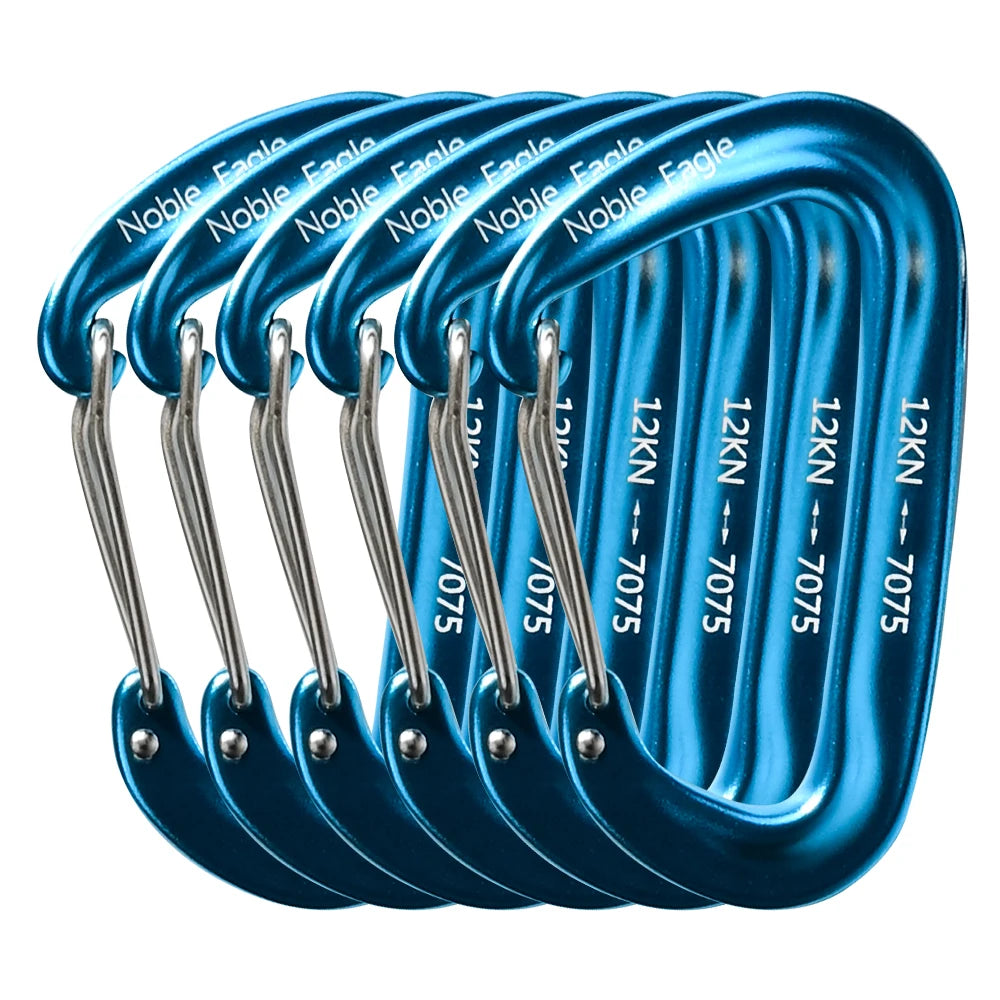
💡 See it in action
Real Outdoor Scenarios Where the Right Carabiner Makes a Difference
🏕️ Camping Setup Stability
Securing tarps, hammocks, or gear becomes safer with locking carabiners. Combine with Hammocks & Straps for reliable setups.
🎒 Backpack Organization
Attach gear externally without risking loss. Pair with Lightweight Daypacks for efficient packing.
🚗 Car Camping Convenience
Clip essentials for quick access during road trips. Explore Car Camping Accessories to upgrade your setup.
🧗 Safety During Elevation Changes
When navigating steep terrain, reliable clips prevent dangerous slips and dropped gear.
How This High-Strength Clip Solves Common Outdoor Safety Problems
Outdoor enthusiasts often struggle with gear that fails under pressure, clips that open unexpectedly, or setups that feel unreliable. A well-designed high-strength clip eliminates these issues by combining durability, secure locking, and ease of use.
- Prevents accidental gear drops
- Handles heavy loads without bending
- Improves setup speed and efficiency
- Boosts confidence in unpredictable environments
Many users report switching to stronger carabiners after experiencing minor failures—and noticing immediate improvements in safety and peace of mind.
Customer insight: “I used basic clips before, but upgrading to a locking carabiner made my camping setup feel instantly more secure—especially in windy conditions.”
Reviews of Heavy-Duty Climbing Carabiners
Experienced users consistently highlight three things in reviews: strength ratings, gate reliability, and ease of handling. High-performing models typically exceed 20 kN and maintain smooth locking even after repeated use.
- Reliable under extreme stress
- Minimal wear over time
- Consistent locking performance
- Comfortable handling with gloves
For added preparedness, combine your setup with Safety, Survival & Emergency essentials.
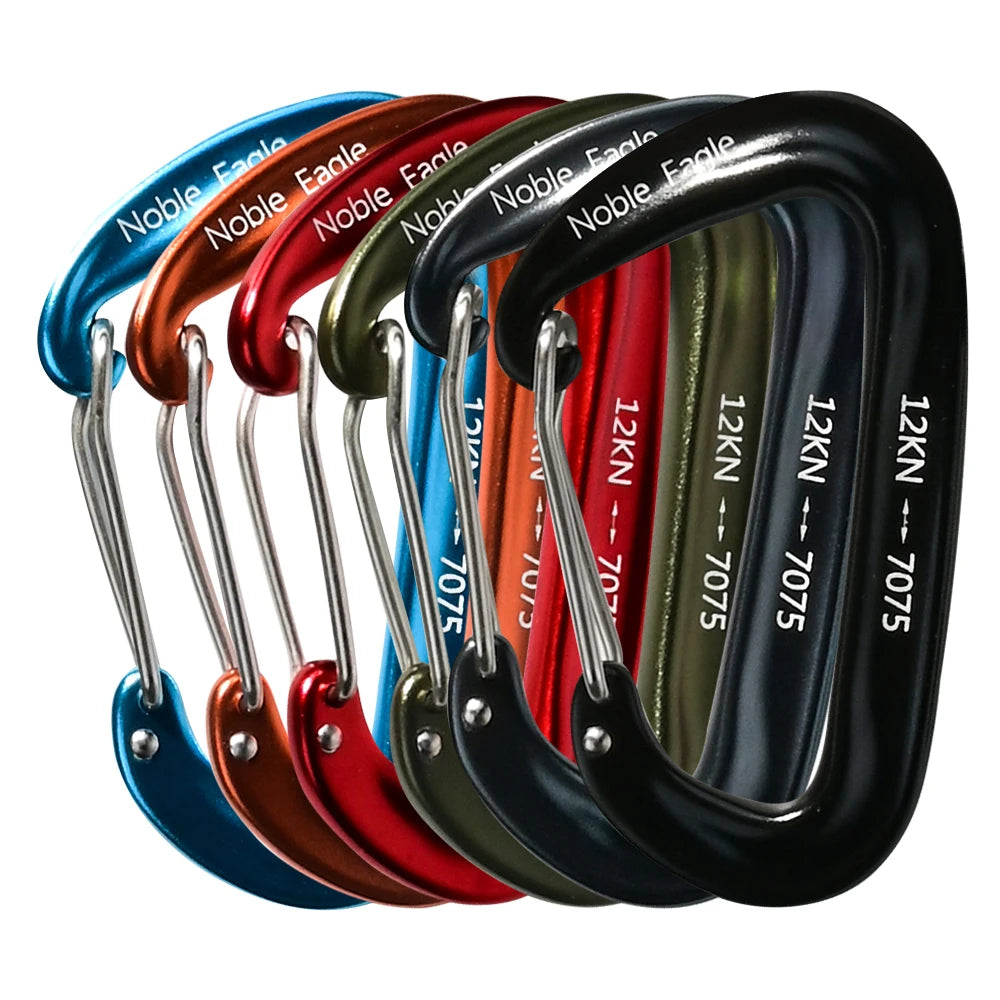
💡 See it in action
Why Small Details Make a Big Safety Difference
It’s not just about strength. Small design features—like gate tension, nose shape, and locking mechanism—can dramatically affect performance.
- Smooth gate action reduces user error
- Keylock nose prevents snagging
- Textured grip improves handling
- Color coding helps quick identification
These details often separate average gear from equipment you can truly rely on.
👉 Get yours now before your next trip! Upgrade your safety with a reliable carabiner built for real outdoor conditions.
Frequently Asked Questions
What strength rating should a carabiner for fall protection have?
Look for at least 20 kN for climbing or safety applications. Lower ratings may work for light gear attachment but are not suitable for fall protection.
Can I use a non-locking carabiner for safety?
Non-locking carabiners are not recommended for fall protection. They can open accidentally under movement or pressure.
How often should I replace my carabiner?
Replace immediately if you see cracks, deformation, or gate issues. Even without visible damage, regular users should inspect gear frequently.
What is the most common cause of carabiner failure?
Improper loading—especially cross-loading—is the leading cause. Always align force along the spine for maximum strength.
Choosing the right carabiner isn’t complicated—but it does require attention to detail. The right decision today can prevent serious problems tomorrow.
Pillar Article: Best Carabiners For Keys: Choosing The Right Fit For Every Use
Other Related Articles:
Explore More:





