

Dynamic Rope Vs Static Rope: Which Fits Your Situation
Dynamic rope vs static rope: which one should you use?
Dynamic rope vs static rope comes down to purpose: dynamic ropes stretch to absorb fall impact, making them ideal for climbing safety, while static ropes stay firm with minimal stretch, better for hauling, rescue, and fixed lines. Choosing the wrong type can increase injury risk or reduce efficiency in real outdoor situations.
Dynamic Rope Vs Static Rope: Which Fits Your Situation
⏱ 8 min read — Confused about which rope actually keeps you safe outdoors? Whether you're climbing, camping with family, or preparing for emergencies, the wrong rope can turn a simple trip into a dangerous situation. This guide breaks down dynamic rope vs static rope in a practical, real-world way so you can choose confidently and stay protected.
Ever packed for a trip and wondered: what gear actually makes you safer, not just heavier? Rope is one of those items that looks simple—but choosing wrong can cost you stability, control, and even safety.
💡 See it in action
Why Choosing the Right Rope Matters More Than You Think
Not all ropes are created equal. The difference between dynamic and static ropes directly affects how force is handled during movement, falls, or load-bearing tasks.
- Dynamic ropes stretch to absorb shock
- Static ropes resist stretching for stability
- Wrong choice = higher injury risk or inefficient setup
- Right choice = safer climbs, smoother rescues, better control
Many beginners assume “stronger is better,” but flexibility often matters more than raw strength.
Dynamic Rope vs Static Rope: Key Differences Explained
Dynamic rope vs static rope differs mainly in elasticity, purpose, and safety function. Dynamic ropes stretch up to 40% under load to reduce fall impact, while static ropes stretch less than 5%, providing stability for hauling, rescue, and fixed systems. Each serves a specific role, and using them interchangeably can be unsafe.
| Feature | Dynamic Rope | Static Rope |
|---|---|---|
| Stretch | High (up to 40%) | Low (under 5%) |
| Best For | Climbing, fall protection | Rescue, hauling, rappelling |
| Shock Absorption | Excellent | Minimal |
| Control | Moderate | High precision |
Think of it this way: dynamic ropes protect your body, static ropes support your system.
How to Choose Static vs Dynamic Rope for Family Safety
When planning outdoor trips with kids or groups, safety becomes non-negotiable. Choosing between static vs dynamic rope for family safety depends on activity type.
- Use dynamic rope for climbing or areas with fall risk
- Use static rope for setting up shelters or guiding paths
- Combine both for advanced setups
- Always check load ratings before use
Parents often use static ropes to secure tarps from Ground Sheets & Tarps or create safe boundaries in campsites.
Meanwhile, dynamic ropes are critical when kids explore uneven terrain.
How Strong Should Climbing Rope Be for Beginners?
One of the most common questions: how strong should climbing rope be for beginners?
- Look for a minimum breaking strength of 20kN
- Choose a diameter between 9.5mm–11mm for control
- Prioritize certified ropes for safety standards
- Balance weight vs durability for your activity
Beginners benefit from slightly thicker ropes—they’re easier to handle and more durable over time.
Pair your rope setup with gear from Hooks, Clips & Carabiners to improve anchoring safety.
💡 See it in action
Preventing Accidents with Weak Climbing Ropes
Preventing accidents with weak climbing ropes starts with understanding failure points.
- Old ropes lose strength over time
- UV exposure weakens fibers
- Improper storage causes hidden damage
- Overloading beyond rated capacity leads to failure
Real user feedback:
"We used an old rope for a simple descent—it snapped halfway. Since switching to a high-strength rope, we never take chances anymore."
Storage matters too—keep ropes dry using Waterproof & Dry Bags to extend lifespan.
Real Outdoor Scenarios: Which Rope Wins?
Climbing a Rocky Trail
Dynamic rope wins—absorbs sudden slips and protects your body.
Setting Up a Campsite
Static rope wins—holds tension for tarps, hammocks, and gear.
Emergency Rescue Situation
Static rope provides controlled descent and lifting stability.
Family Hiking Safety Line
Dynamic rope adds safety buffer for unexpected slips.
For complete preparedness, combine rope with essentials from Safety, Survival & Emergency.
Why This Rope Fits Multiple Outdoor Needs
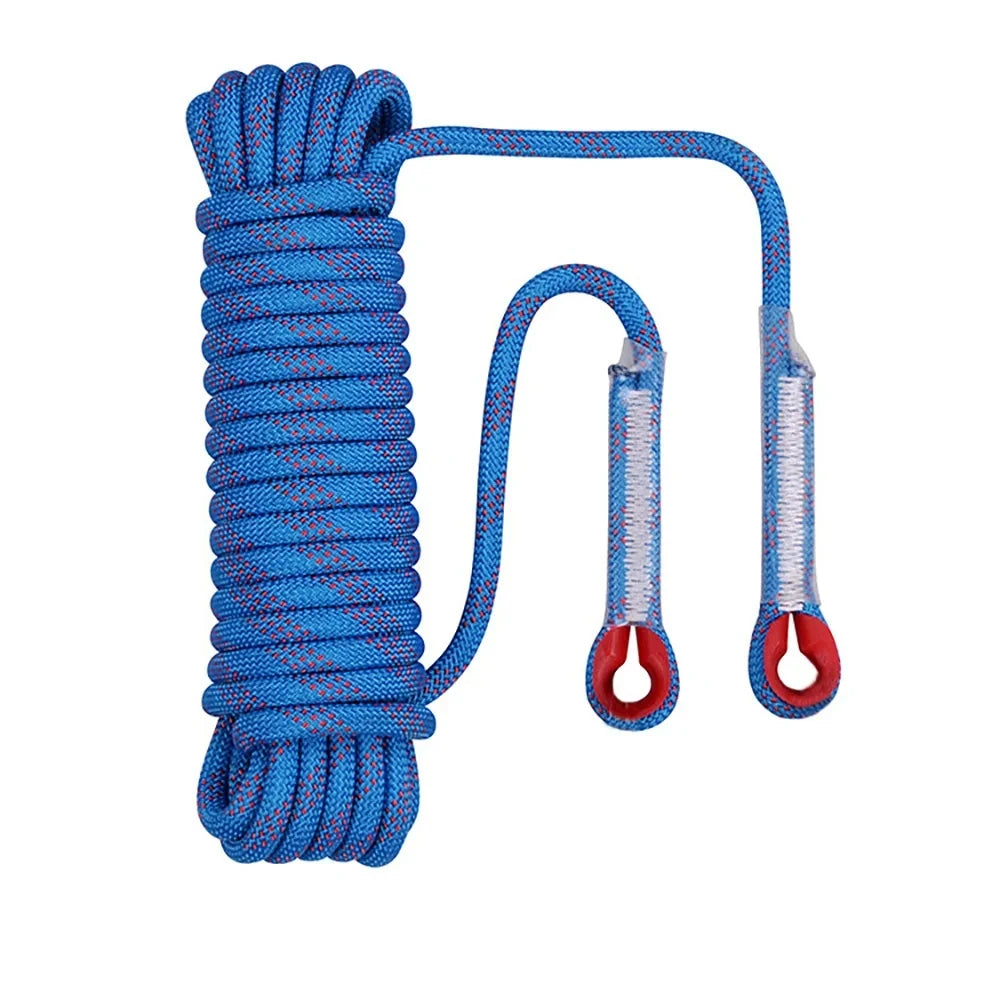
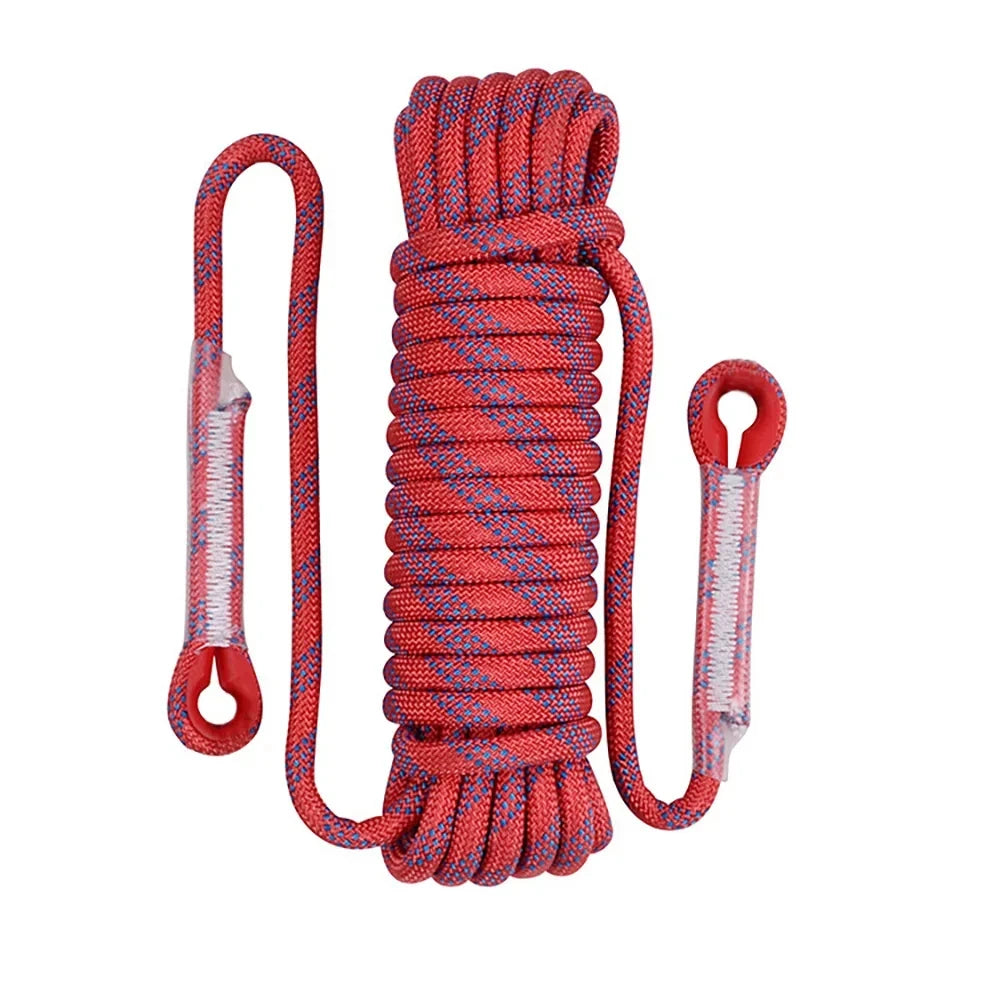
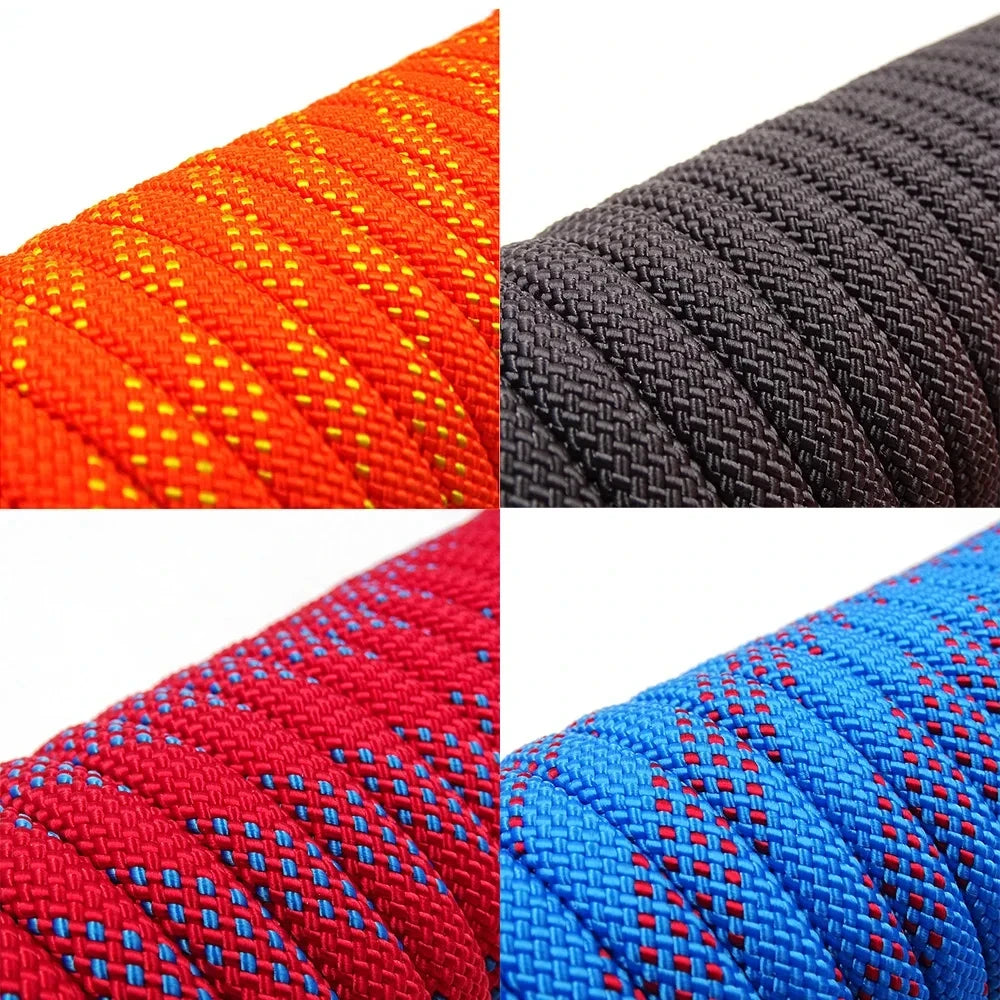
If you're looking for a versatile option, a high-strength rope like this safety climbing rope bridges the gap between durability and usability.
Why outdoor users choose it:
- High load capacity for reliability
- Durable construction for long-term use
- Suitable for emergency, camping, and utility tasks
- Beginner-friendly handling
It’s especially useful for:
- Car camping setups with Car Camping Accessories
- Emergency kits with Emergency Road Kits
- Outdoor shelters and tie-down systems
Quick Checklist: Choosing the Right Rope
- Climbing? → Choose dynamic rope
- Rescue or setup? → Choose static rope
- Beginner? → Go thicker and stronger
- Family use? → Prioritize versatility
💡 See it in action
Make Your Next Trip Safer and Smarter
The difference between a smooth adventure and a risky situation often comes down to preparation. Choosing between dynamic rope vs static rope isn’t just technical—it’s practical.
With the right rope, you gain:
- Confidence in unpredictable environments
- Better control over your setup
- Protection against common outdoor risks
Frequently Asked Questions
Can I use a static rope for climbing?
No. Static ropes do not absorb shock, which increases injury risk during falls. Always use dynamic rope for climbing.
Is dynamic rope good for camping setups?
It can be used, but static rope is better for stability when securing tents or tarps.
How long does a climbing rope last?
Typically 3–5 years depending on use, exposure, and storage conditions.
What is the safest rope for beginners?
A thicker dynamic rope with high strength rating offers better handling and safety.
Do I need both rope types?
For serious outdoor activities, yes. Each serves a different purpose and improves overall safety.
Pillar Article: Emergency Kit Family: What Features Fit Your Needs
Other Related Articles:
Explore More:





