

Cycling Hydration Backpack: Choose The Best Ride-Ready Option
Does a cycling hydration backpack really improve your ride?
A cycling hydration backpack keeps water accessible while riding, helping maintain steady hydration without stopping. This improves endurance, reduces fatigue, and enhances comfort on long rides. With ergonomic design and smart storage, it also solves common issues like carrying water and balancing gear efficiently.
Cycling Hydration Backpack: Choose The Best Ride-Ready Option
Cycling hydration backpack choices can make or break your ride comfort and performance. If you’ve ever wondered how to stay hydrated on bike rides or searched for the best ways to carry water cycling without slowing down, this guide breaks it all down. From a practical guide to ergonomic backpacks for biking to smart ways to improve visibility on night rides, discover features that riders often overlook—and why they matter more than you think. Ready to upgrade your ride?
⏱ 7 min read
Ever found yourself halfway through a ride, thirsty, distracted, and slowing down just to grab water? That moment alone can ruin your rhythm. So what gear actually makes cycling smoother, safer, and more enjoyable?
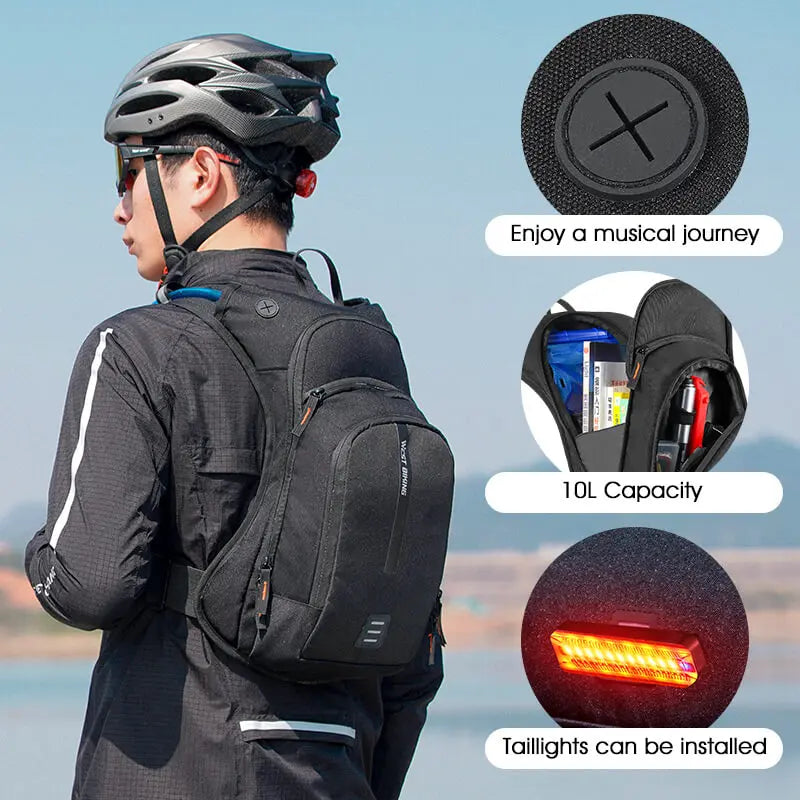
💡 See it in action
What Is a Cycling Hydration Backpack and Why Do Riders Prefer It?
A cycling hydration backpack is a lightweight pack with a built-in water reservoir and tube system, allowing riders to drink hands-free. It improves hydration efficiency, reduces stopping time, and distributes weight evenly across your back, making it ideal for long-distance rides and commuting.
Unlike traditional bottles, this setup lets you sip water continuously without breaking focus. For riders pushing distance or speed, that consistency matters.
- Hands-free hydration while riding
- Even weight distribution reduces strain
- Storage for tools, snacks, and essentials
- Better performance on long rides
Explore more options in Hydration & Food to complement your cycling setup.
How to Stay Hydrated on Bike Rides Without Slowing Down
Staying hydrated isn’t just about drinking water—it’s about timing, accessibility, and consistency.
- Take small sips every 10–15 minutes
- Use a hydration tube for quick access
- Pre-fill with cold water or electrolytes
- Track intake during long rides
A hydration backpack makes this effortless. No fumbling, no stopping—just smooth riding.
Pair your setup with Collapsible Water Bottles for extra capacity on longer adventures.
Best Ways to Carry Water Cycling (Comparison Table)
| Method | Pros | Cons |
|---|---|---|
| Water Bottles | Simple, affordable | Requires stopping or reaching |
| Hydration Backpack | Hands-free, large capacity | Slightly heavier |
| Frame Bags | Stable storage | Limited access while riding |
For most riders, a cycling hydration backpack strikes the best balance between convenience and performance.
Guide to Ergonomic Backpacks for Biking Comfort
Comfort isn’t optional on long rides—it’s essential. An ergonomic design can make the difference between an enjoyable trip and constant discomfort.
- Ventilated back panels: Reduce sweat buildup
- Adjustable straps: Fit your body perfectly
- Lightweight materials: Prevent fatigue
- Compact design: Keeps balance stable
Many riders overlook fit, but even small adjustments can prevent back pain and shoulder strain.
For better organization, explore Gear Organizers & Pouches to keep essentials within reach.
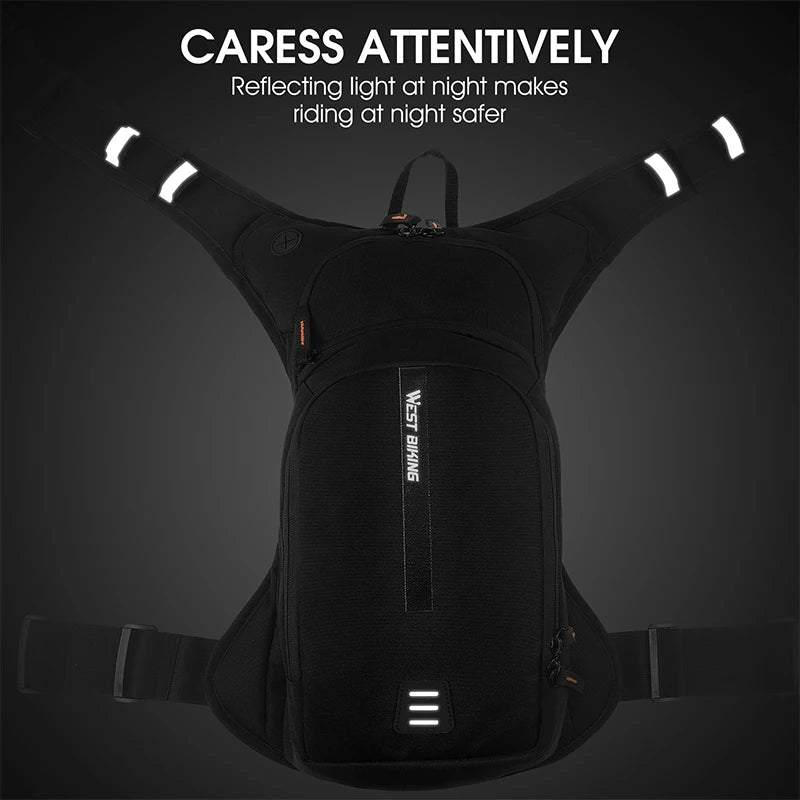
💡 See it in action
Ways to Improve Visibility on Night Rides
Riding at night adds risk—but the right gear dramatically improves safety.
- Reflective strips on your backpack
- LED lights attached to straps
- Bright or neon color choices
- Backup lighting gear
Combine your backpack with gear from Headlamps & Wearable Lights for better visibility in low-light conditions.
Real Rider Experiences: Why They Switched
Commuter (Austin, TX): “I used to carry bottles, but traffic made it hard to drink safely. Switching to a hydration backpack made my commute smoother and less stressful.”
Weekend Rider (Colorado): “Long climbs drained me fast. With a hydration pack, I stayed energized and shaved time off my rides.”
Beginner Cyclist (California): “I didn’t realize how much hydration affected my performance until I upgraded. It felt like a completely different ride.”
These stories highlight one thing: the right gear isn’t just convenient—it changes how you ride.
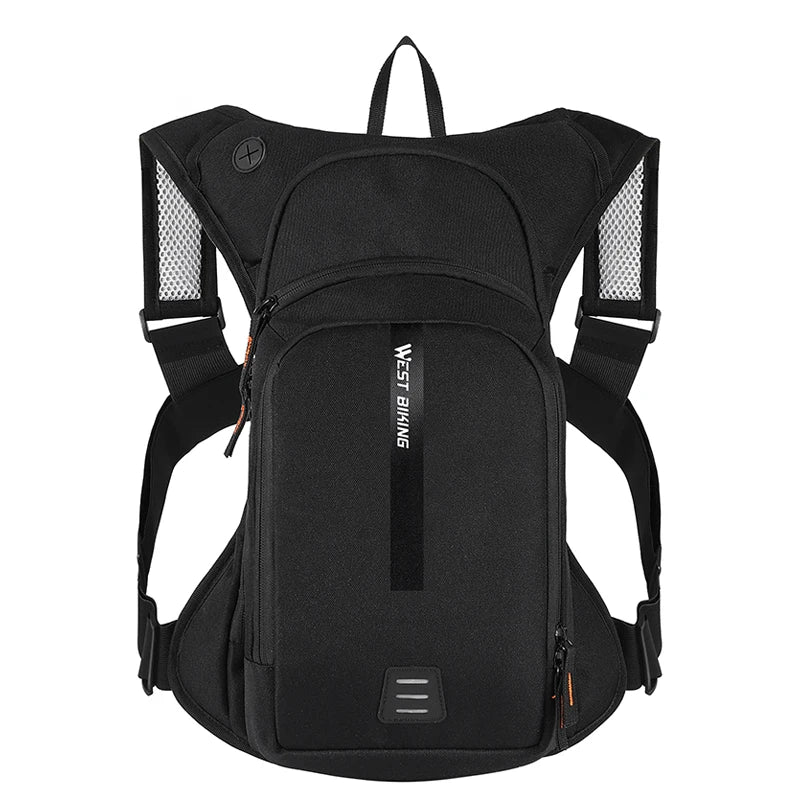
💡 See it in action
Why This 10L Ultralight Option Stands Out
This cycling hydration backpack offers a lightweight design, balanced storage, and efficient hydration access in one streamlined solution. Built for long rides and daily commutes, it combines comfort, durability, and practicality, making it a reliable choice for riders who want performance without bulk.
- Lightweight 10L capacity for essentials
- Ergonomic fit reduces strain
- Quick-access hydration system
- Durable material for outdoor conditions
👉 Get yours now before your next ride!
Frequently Asked Questions
How much water should I carry on a bike ride?
For most rides, 1–2 liters is sufficient. Longer rides may require more, especially in hot weather.
Are hydration backpacks comfortable for long rides?
Yes, especially ergonomic designs with adjustable straps and ventilation features.
Do hydration packs affect cycling performance?
They improve performance by maintaining hydration levels and reducing stops.
Can beginners use a cycling hydration backpack?
Absolutely. They are beginner-friendly and make hydration easier to manage.
Upgrading your hydration system is one of the simplest ways to improve comfort, endurance, and overall ride experience. With the right setup, every ride becomes smoother, safer, and more enjoyable.
Pillar Article: Top Hydration Pack: Best Fit For Every Outdoor Need
Other Related Articles:
Explore More:





