

Packable Rain Poncho: How To Fold And Store Fast
Packable Rain Poncho: How To Fold And Store Fast
Does a packable rain poncho really save space on outdoor trips?
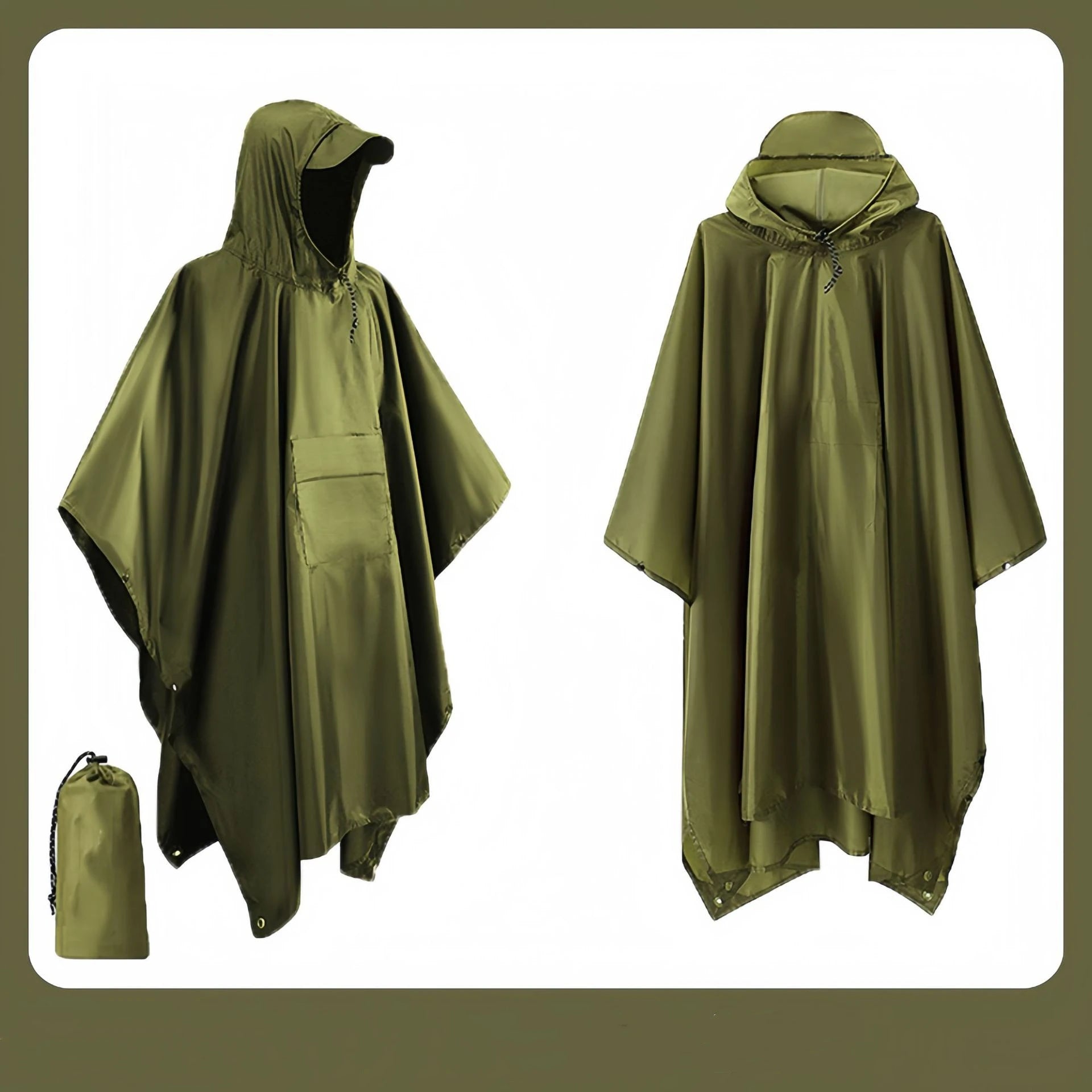
A packable rain poncho keeps hikers, campers, and travelers dry without taking up valuable backpack space. The fastest folding methods reduce bulk, prevent trapped moisture, and make emergency access easier during sudden storms. Many outdoor travelers now prefer reusable designs because they work as rain protection, backpack covers, emergency shelters, and lightweight insulation layers.
⏱ 8 min read
Unexpected rain can ruin a trail day fast. Wet clothing, soaked backpacks, and bulky gear create frustration when every inch of pack space matters. A compact setup changes everything. This guide explains how to fold a packable rain poncho quickly, keep it dry between uses, and choose the right option for hiking, travel, festivals, and emergency kits.
👉 Discover gear that packs smaller and moves faster outdoors.
Rain Ponchos & Capes and Backpacking & Carry help reduce pack clutter during unpredictable weather.
💡 See it in action
Why Fast Folding Matters on the Trail
A packable rain poncho becomes frustrating when it takes too long to unpack or repack. Wind, mud, and wet gear make sloppy folding even worse.
What gear actually makes camping easier during sudden weather changes? Usually, it is the gear you can deploy and store quickly without stopping your momentum.
Outdoor travelers often underestimate how much time they waste struggling with wet rain gear. Fast-fold systems improve:
- Trail efficiency during storms
- Backpack organization
- Emergency access speed
- Moisture control after use
- Comfort during long-distance hiking
| Problem | Slow Packing Result | Fast Folding Benefit |
|---|---|---|
| Wet poncho stuffed loosely | Trapped odor and mildew | Cleaner storage |
| Bulky folding | Wasted backpack space | Compact organization |
| Hard-to-access rain gear | Clothing gets soaked first | Rapid storm response |
| Disposable poncho tearing | Repeated replacements | Longer-term durability |
Many experienced hikers now store ponchos alongside Waterproof & Dry Bags and Compression & Packing Bags for faster deployment during sudden weather shifts.
How To Fold a Packable Rain Poncho in Under 60 Seconds
A properly folded packable rain poncho should fit into a small pouch without trapping water inside. The fastest method keeps the hood centered, removes air pockets, and creates a compact rectangle that slides easily into side pockets or emergency kits.
-
Shake off excess water first.
Hold the poncho by the shoulders and snap it firmly to remove standing rainwater. -
Lay the poncho flat.
Smooth wrinkles and align sleeves or side flaps evenly. -
Fold inward vertically.
Bring both sides toward the center to create a narrow strip. -
Tuck the hood inside.
This prevents the hood from trapping moisture and air. -
Roll tightly from the bottom upward.
Rolling works better than square folding for ultralight storage. -
Secure with an elastic band or stuff sack.
This keeps the poncho compact inside crowded packs.
How to pack emergency rain poncho compact for fast access
- Store near the top of your backpack
- Use external mesh pockets for rainy forecasts
- Pair with Hooks, Clips & Carabiners for fast attachment
- Keep emergency ponchos separate from dry clothing
- Avoid stuffing wet fabric into sealed compartments for long periods
Travelers frequently combine compact ponchos with Lightweight Daypacks to reduce weight during short hikes and city travel.
👉 Learn how to choose smarter rain protection before your next trail trip.
The 3-in-1 Lightweight Waterproof Rain Poncho combines rain coverage, pack protection, and emergency shelter flexibility in one compact setup.
Common Storage Mistakes That Trap Moisture
Many hikers damage their ponchos without realizing it. The problem usually starts after the rain stops.
1. Storing while completely soaked
Even waterproof materials can develop odor and mildew when packed wet for extended periods.
If possible:
- Air dry for 10–15 minutes
- Wipe moisture with a microfiber cloth
- Hang overnight after returning home
2. Overcompressing lightweight fabric
Ultralight ponchos save space, but aggressive stuffing can weaken seams and waterproof coatings over time.
Use moderate compression instead of forcing the poncho into undersized pouches.
3. Ignoring backpack protection
A compact hiking rain poncho backpack cover setup keeps both the hiker and gear protected simultaneously.
Many multifunction ponchos extend over large hiking packs, reducing the need for separate rain covers.
💡 See it in action
Reusable Tarp Poncho vs Disposable Ponchos
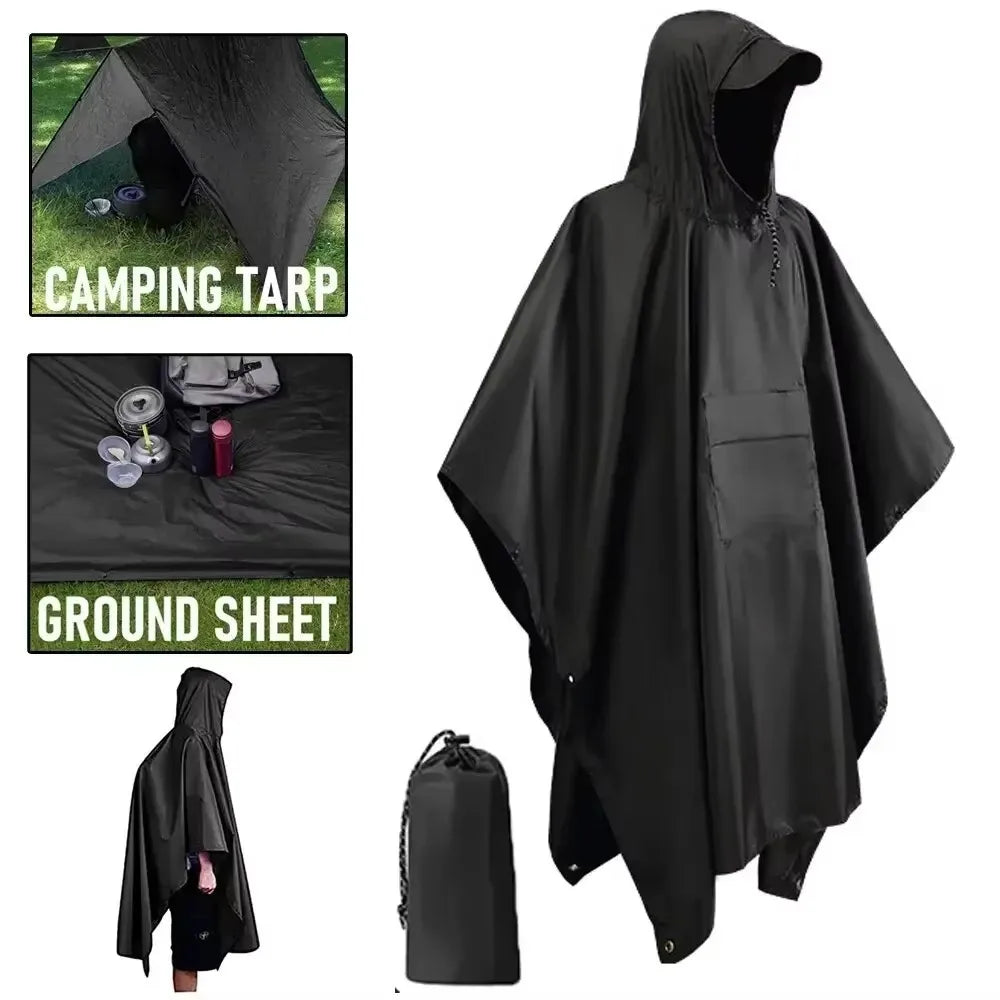
Reusable tarp ponchos offer stronger weather protection, longer lifespan, and multiple outdoor uses compared to disposable ponchos. Disposable options work for short emergencies but tear easily during wind, backpack friction, and extended hiking. Reusable models also function as shelters, ground covers, and backpack protection systems.
| Feature | Reusable Tarp Poncho | Disposable Ponchos |
|---|---|---|
| Durability | High | Low |
| Wind resistance | Strong | Weak |
| Backpack coverage | Usually included | Limited |
| Storage lifespan | Long-term reusable | Single-use focused |
| Emergency shelter use | Yes | Rarely |
| Weight | Lightweight | Very lightweight |
Disposable ponchos still make sense for:
- Concerts
- Theme parks
- Vehicle emergency kits
- Short urban commutes
However, hikers and campers usually benefit more from reusable systems that pair with Ground Sheets & Tarps and Weather Protection & Environment collections.
Real outdoor traveler feedback
"I switched from disposable ponchos after one mountain storm shredded mine in under an hour. A reusable poncho folds just as small but survives rough weather much better."
"The backpack coverage changed everything. I stopped carrying a separate rain cover and freed up extra space."
Why Hikers Prefer Lightweight Multifunction Rain Ponchos
A lightweight multifunction rain poncho for hiking reduces the number of items hikers need to carry. Instead of packing separate rainwear, tarp shelter, and backpack cover systems, one compact item handles several weather problems at once.
Key multifunction benefits
- Emergency shelter during storms
- Ground sheet for wet terrain
- Backpack rain protection
- Quick wind barrier during breaks
- Emergency insulation layer
This flexibility matters most during:
- Long-distance hiking
- Car camping
- Festival travel
- Bikepacking
- Emergency preparedness
Outdoor travelers often combine ponchos with Emergency Road Kits, Safety, Survival & Emergency, and Foldable Travel Gear for compact emergency readiness.
Best Storage Tools for Compact Packing
Good organization prevents wet gear from spreading moisture across your backpack.
Best gear pairings for rain poncho storage
| Gear Type | Why It Helps |
|---|---|
| Gear Organizers & Pouches | Keeps wet items separated |
| Waterproof & Dry Bags | Prevents moisture spread |
| Car Organizers & Storage | Improves road trip access |
| Camping Storage & Boxes | Protects gear between trips |
Many travelers now keep one emergency poncho in:
- Glove compartments
- Bike bags
- Airport carry-ons
- School backpacks
- Festival kits
Fast-access storage becomes especially important during fast-moving weather systems where stopping to unpack can soak clothing within minutes.
👉 Get prepared before the next storm catches you off guard.
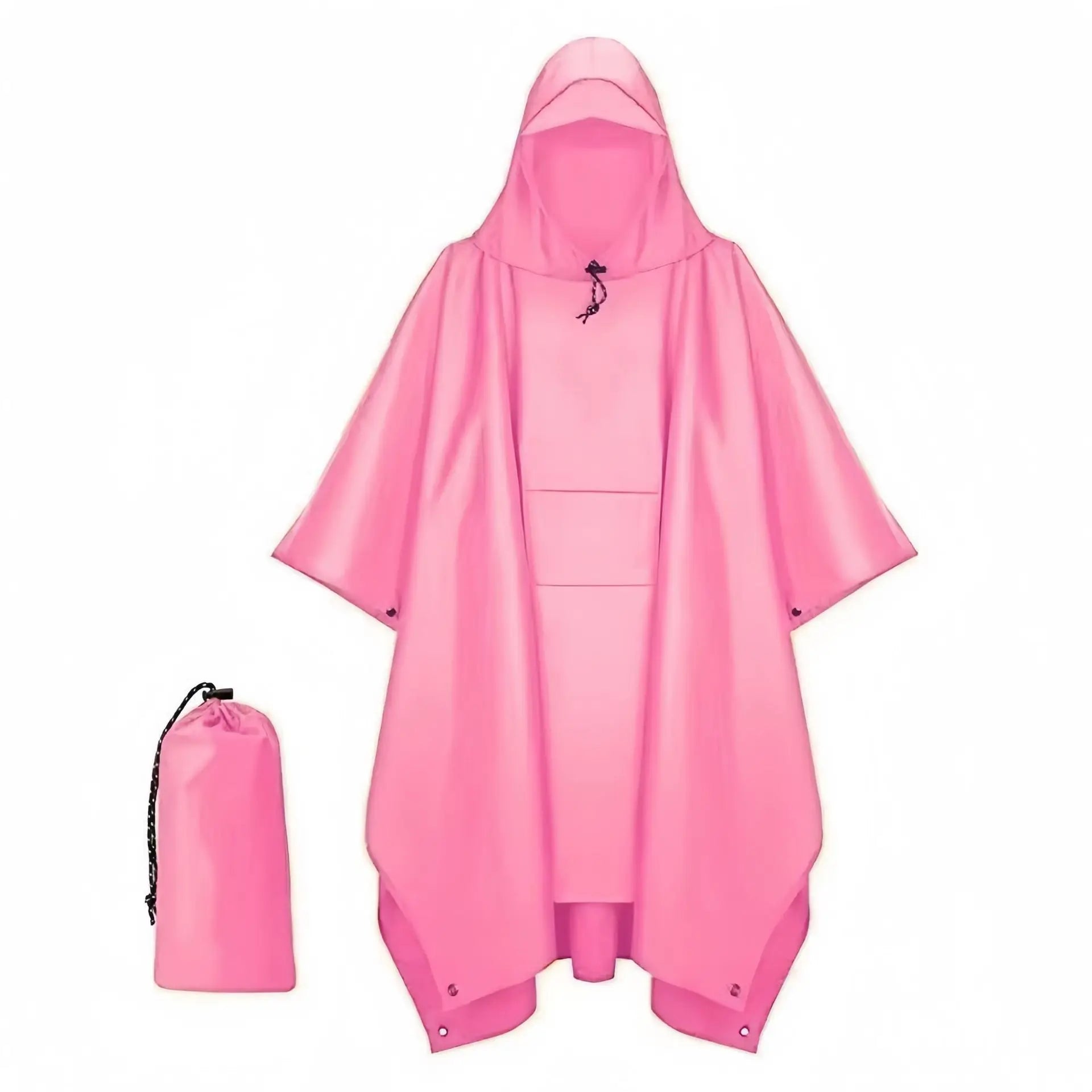
The 3-in-1 Lightweight Waterproof Rain Poncho packs down quickly while helping protect both you and your gear during unpredictable outdoor conditions.
Real Outdoor Situations Where Fast Packing Matters
Imagine hiking a crowded trail when dark clouds suddenly roll in. Everyone stops to search through backpacks while rain starts pouring.
A compact poncho stored near the top of your pack can deploy in seconds.
That difference matters during:
- Flash storms in mountain regions
- Cold windy ridgelines
- Theme park downpours
- Roadside emergencies
- Backcountry overnight trips
One backpacker described reaching camp completely dry while others arrived soaked because their poncho was buried under cooking gear and clothing.
Pairing compact rain protection with Headlamps & Wearable Lights and Portable Power Banks also helps maintain visibility and communication during severe weather.
💡 See it in action
Stay Ready Without Carrying Bulky Rain Gear
A packable rain poncho is one of the simplest ways to stay prepared without overloading your backpack. The right folding method saves space, reduces moisture problems, and keeps rain protection accessible when weather changes fast.
Whether you need a compact hiking rain poncho backpack cover, emergency rain protection, or a lightweight shelter solution, smart storage makes outdoor travel easier and more comfortable.
Many outdoor travelers eventually discover that the fastest gear to access is usually the gear they rely on most.
FAQ
How small can a packable rain poncho fold down?
Most reusable ponchos fold to roughly the size of a water bottle or compact pouch, depending on material thickness and design.
Can a rain poncho protect both me and my backpack?
Yes. Many hiking ponchos extend over large backpacks, creating a combined weather shield for both the user and gear.
Are reusable ponchos better than disposable ponchos?
Reusable ponchos generally provide better durability, stronger wind resistance, and longer-term value for hiking and camping.
Should I store a poncho wet after hiking?
Short-term storage is acceptable during travel, but the poncho should be dried fully afterward to prevent odor and mildew.
What is the fastest way to pack an emergency rain poncho compact?
Roll the poncho tightly after folding inward vertically, then secure it with an elastic band or compact stuff sack for fast access.
Pillar Article: Rain Gear Camping: How To Stay Dry In Sudden Storms
Other Related Articles:
- Poncho Rain Jacket: How To Layer For Storm Protection
- Waterproof Ponchos For Rain: How To Choose The Right One
- Lightweight Rain Poncho For Travel: How To Pack Smart
Explore More:





