

Rusty Fishing Hooks: How To Choose Rust-Resistant Setups
Rusty Fishing Hooks: How To Choose Rust-Resistant Setups
⏱ 9 min read
Can rusty fishing hooks be prevented?
Rusty fishing hooks can usually be prevented with better storage, proper drying habits, and corrosion-resistant materials. Anglers who rinse saltwater gear, use sealed organizers, and carry a fishing stainless steel accessories kit often extend hook life dramatically while reducing breakage, lost catches, and damaged tackle boxes.
Rusty fishing hooks can ruin a perfect catch faster than most anglers expect. Learn how to prevent tackle rust with smart maintenance habits, a reliable fishing stainless steel accessories kit, and the best way store fishing hooks after every trip. This guide also explains why rusty fishing accessories after trips often fail sooner, even when they look usable. A few overlooked storage mistakes could be shortening the life of your entire tackle setup without you realizing it.
Have you ever opened your tackle box before sunrise only to discover orange spots spreading across your favorite hooks? Many anglers assume a little rust is harmless until a hook snaps during a strong fight.
The good news is that corrosion is usually preventable. Small changes in storage, drying, and material choices can keep your setup dependable season after season.
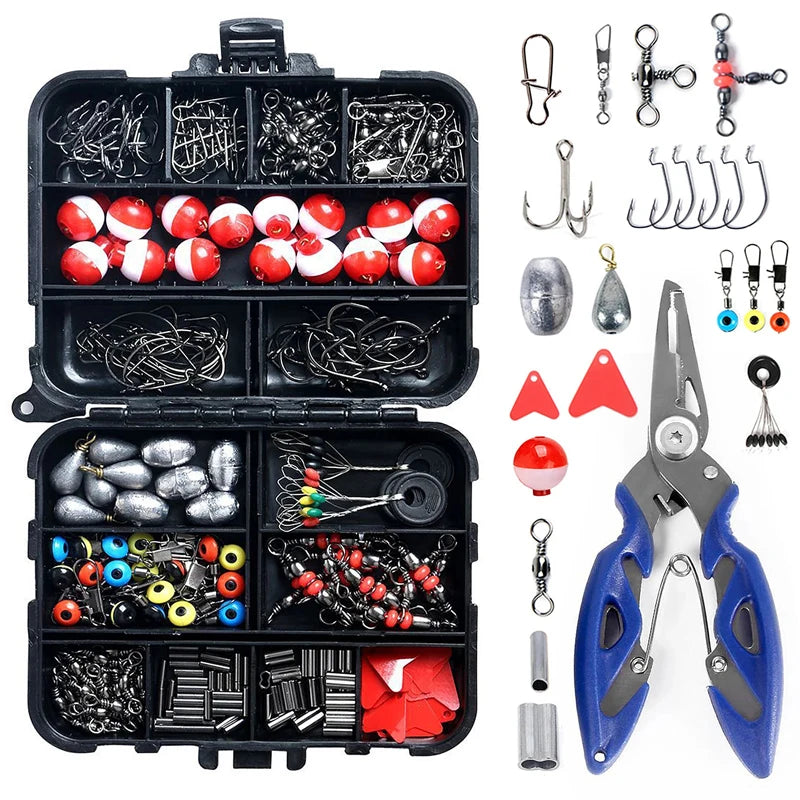
👉 Upgrade your tackle organization before your next trip: Fishing Accessories Kit Tackle Box
💡 See it in action
Why Fishing Hooks Rust Faster Than Most Anglers Expect
Rust forms when metal reacts with oxygen and moisture. Saltwater speeds up this process aggressively, but freshwater setups can corrode too when trapped humidity stays inside tackle boxes.
Many anglers unknowingly accelerate rust by sealing wet gear immediately after a trip. A damp hook sitting overnight inside a closed container creates the perfect environment for corrosion.
Warning Signs Your Hooks Are Already Weakening
- Orange or brown discoloration near hook points
- Rough surfaces that snag fishing line
- Reduced sharpness and penetration
- Small pits or flakes on metal surfaces
- Split rings and swivels showing corrosion
One Florida kayak angler shared that his hooks looked “usable” after a coastal weekend trip. During the next outing, two hooks bent under pressure while fighting redfish. Salt residue had already weakened the metal structure.
| Condition | Risk Level | Impact On Performance |
|---|---|---|
| Light surface rust | Moderate | Reduced sharpness |
| Pitted metal | High | Lower hook strength |
| Corroded split rings | Severe | Possible tackle failure |
Common Storage Mistakes That Cause Rust
Rusty fishing accessories after trips often result from habits anglers barely notice. The most expensive tackle box will not help if moisture remains trapped inside.
Storage Habits That Shorten Hook Life
- Putting wet lures directly into sealed trays
- Leaving saltwater residue on hooks overnight
- Storing tackle in hot vehicles
- Mixing damp soft plastics with metal hooks
- Ignoring rust on split rings and swivels
Heat and humidity inside a vehicle trunk can quietly destroy tackle during summer months. Many anglers now store backup gear inside protective organizers from Camping Storage & Boxes to reduce moisture buildup during travel.
Another overlooked issue is poor airflow. Hooks packed tightly together trap humidity longer than separated compartments.
How To Prevent Tackle Rust After Every Trip
Rust prevention is mostly about consistency. A five-minute cleanup routine can extend the life of your tackle dramatically.
Anglers who regularly maintain gear often save money long term because they replace fewer hooks, swivels, and accessories each season.
Simple Post-Trip Routine That Works
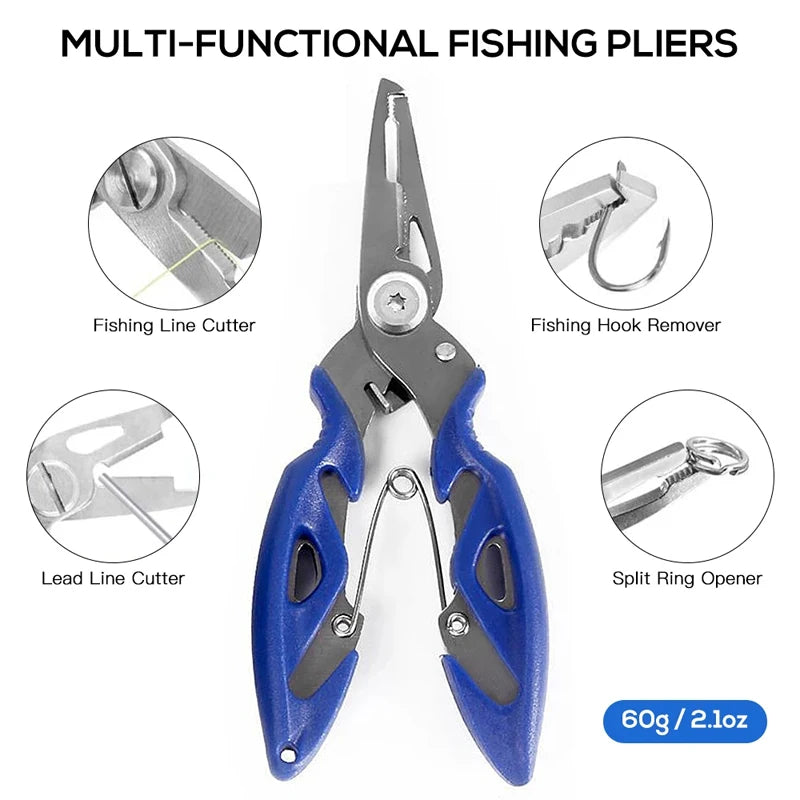
- Rinse hooks with fresh water immediately
- Dry all tackle completely before storage
- Use absorbent packs inside tackle trays
- Separate used hooks from dry backups
- Inspect hook points under bright light
- Replace heavily corroded hardware early
Portable storage pouches from Gear Organizers & Pouches help anglers separate wet gear from dry essentials while traveling between lakes, docks, or campsites.
👉 Keep hooks organized and protected from hidden moisture: Explore the rust-resistant tackle setup here
Why Drying Matters More Than Most People Think
Even stainless steel hooks can corrode if moisture sits long enough. Air drying overnight before sealing gear away reduces trapped condensation significantly.
Some anglers also add silica gel packets to storage trays for extra protection in humid climates.
💡 See it in action
Which Hook Materials Resist Rust Best?
Not all hooks handle moisture equally. Material quality matters more than many beginners realize.
Popular Hook Materials Compared
| Material | Corrosion Resistance | Best Use |
|---|---|---|
| High-carbon steel | Low | Freshwater budget setups |
| Black nickel coated | Moderate | General fishing conditions |
| Stainless steel | High | Saltwater environments |
| Tin-coated hooks | High | Offshore and surf fishing |
Saltwater anglers often prefer stainless or coated hooks because they resist corrosion much longer during repeated exposure to salt spray.
However, even premium hooks benefit from careful storage.
Best Way Store Fishing Hooks For Long-Term Use
The best way store fishing hooks is in dry, compartmentalized containers with controlled airflow and moisture protection. Organized storage prevents hooks from rubbing together while reducing trapped humidity that speeds corrosion.
Features To Look For In Hook Storage
- Water-resistant sealing
- Individual compartments
- Transparent lid visibility
- Portable travel-friendly design
- Space for silica moisture packs
Outdoor travelers who combine fishing with camping often use Waterproof & Dry Bags to protect tackle from rain, splashing, and humid transport conditions.
For longer trips, keeping backup hooks separated inside compact organizers reduces the chance that one wet lure contaminates the entire box.
Why Organized Storage Saves Money
Replacing corroded hooks repeatedly adds up fast. One organized setup can protect dozens of lures and terminal tackle pieces throughout the season.
Many experienced anglers also pair tackle kits with compact storage solutions from Hooks, Clips & Carabiners for easier access around boats and campsites.
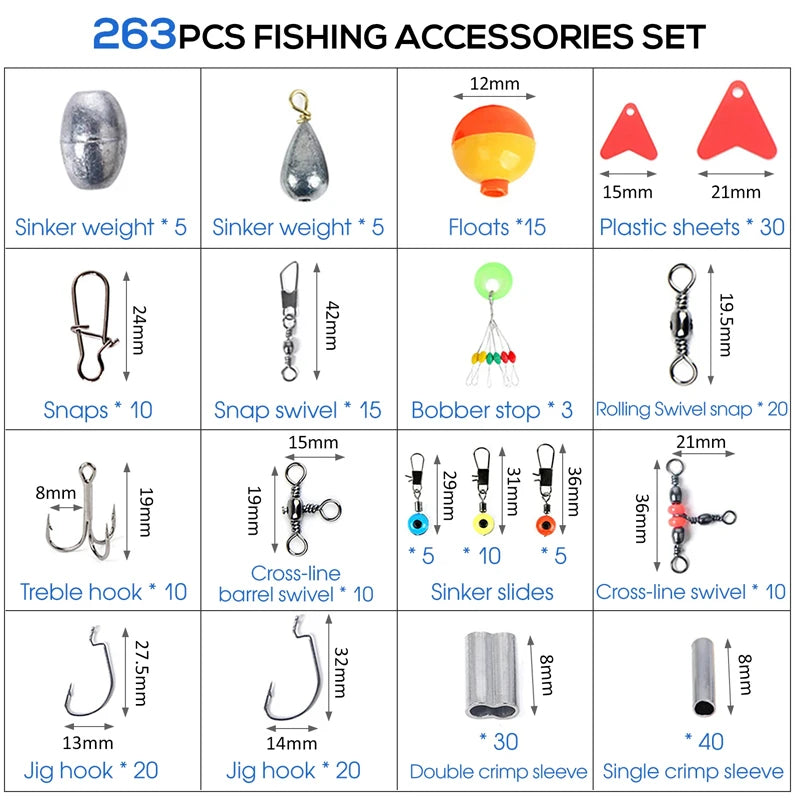
Why A Fishing Stainless Steel Accessories Kit Helps
A fishing stainless steel accessories kit simplifies maintenance because corrosion-resistant components work together across your setup.
Instead of replacing random damaged parts individually, anglers can maintain consistent reliability across hooks, swivels, snaps, and split rings.
What A Good Kit Usually Includes
- Stainless hooks
- Corrosion-resistant swivels
- Durable snaps and connectors
- Compartment tackle storage
- Portable carrying case
One weekend angler from Texas shared that switching to stainless accessories reduced seasonal hook replacement by nearly half during coastal fishing trips.
Portable organization also matters during road travel. Anglers heading toward lakes and coastlines frequently combine tackle setups with storage gear from Car Organizers & Storage to keep equipment dry and accessible.
Saltwater Vs Freshwater Corrosion Risks
Saltwater is much harsher on tackle because salt accelerates oxidation aggressively. Hooks exposed to ocean spray can corrode within days if left untreated.
Freshwater gear lasts longer overall, but humidity and trapped moisture still create problems over time.
Saltwater Protection Essentials
- Immediate freshwater rinse after use
- Separate storage for wet tackle
- Stainless steel hardware
- Protective dry storage bags
- Frequent hook inspections
Many coastal anglers now keep emergency cleaning supplies inside compact kits from Survival Accessories during longer offshore outings.
How Travelers And Campers Protect Fishing Gear
Fishing gear often faces its worst conditions during travel rather than while actively fishing. Rain, condensation, and vehicle heat create constant exposure risks.
Campers who store wet tackle near sleeping gear or food containers sometimes accidentally trap humidity throughout their entire vehicle setup.
Smart Storage Tips For Multi-Day Trips
- Dry tackle before packing overnight
- Separate wet gear from clothing
- Use waterproof compartments during storms
- Avoid leaving tackle in direct sun
- Inspect hooks each morning
Travel-friendly storage from Backpacking & Carry helps outdoor adventurers organize fishing gear more efficiently during hiking and camping trips.
For anglers fishing in rainy conditions, protective storage solutions from Weather Protection & Environment can help reduce unexpected moisture exposure.
💡 See it in action
Quick Checklist Before Your Next Fishing Trip
Before heading out, make sure your tackle setup supports longer hook life and fewer gear failures.
- Inspect all hooks for corrosion
- Replace weak split rings
- Carry backup dry storage
- Pack moisture absorbers
- Separate used tackle after fishing
- Rinse saltwater equipment immediately
- Store gear in organized compartments
👉 Protect your tackle before corrosion ruins another trip: Get your fishing accessories kit now before your next adventure
FAQ
Can rusty fishing hooks still be used?
Light surface rust may still allow temporary use, but heavily corroded hooks lose strength and sharpness quickly. Replacing damaged hooks is safer than risking breakage during a catch.
What is the best way store fishing hooks?
The best way store fishing hooks is inside dry compartment organizers with airflow and moisture control. Always dry hooks completely before sealing containers.
How do you prevent tackle rust during saltwater trips?
Rinse tackle with fresh water immediately after use, dry gear thoroughly, and store hooks separately from wet lures. Stainless steel accessories also improve corrosion resistance.
Are stainless steel hooks completely rust-proof?
No. Stainless steel hooks resist rust better than standard steel, but prolonged moisture exposure can still cause corrosion over time if gear is stored improperly.
Why do rusty fishing accessories after trips fail faster?
Corrosion weakens metal structure gradually. Hooks, swivels, and split rings may appear functional while losing strength internally, increasing the risk of snapping under pressure.
Pillar Article: Pier Fishing Accessories: Best Gear Setups For Real Use Cases
Other Related Articles:
Explore More:





