

Small First Aid Kit For Travel: What Works For Families
How do you apply a gauze bandage so it stays put all day?
To learn how to apply a gauze bandage that stays secure, start by cleaning and drying the wound, layer sterile gauze, and wrap with even tension—firm but not tight. Anchor the ends with medical tape or clips, and reinforce high-movement areas to prevent slipping while maintaining airflow for proper healing.
How To Apply A Gauze Bandage That Stays Put All Day
If you’re wondering how to apply a gauze bandage so it actually stays put, you’re not alone—most people struggle with slipping wraps, loose ends, and constant rewrapping. Whether you’re dealing with active kids, outdoor adventures, or everyday injuries, this guide shows you exactly how to secure a bandage properly without discomfort.
⏱ 6 min read
Ever wrapped a wound perfectly… only for it to fall apart minutes later? Whether you're hiking, camping, or just handling everyday cuts at home, a loose bandage can quickly turn into a frustrating problem. So what’s the best way to secure gauze bandage and keep it in place all day?
👉 Discover must-have first aid essentials for any situation
💡 See it in action
How to Apply a Gauze Bandage Properly (Step-by-Step That Actually Works)
Understanding how to apply a gauze bandage correctly ensures it stays secure without restricting circulation. The key is layering, tension control, and anchoring properly so the wrap holds through movement, sweat, and daily activity.
- Clean and dry the wound: Moisture causes slipping. Pat dry thoroughly.
- Apply a sterile pad: Place directly over the wound for protection.
- Start wrapping below the wound: This anchors the bandage.
- Wrap upward with overlap: Cover 50% of the previous layer.
- Maintain even tension: Snug but not tight enough to restrict blood flow.
- Secure the end: Use clips, tape, or adhesive strips.
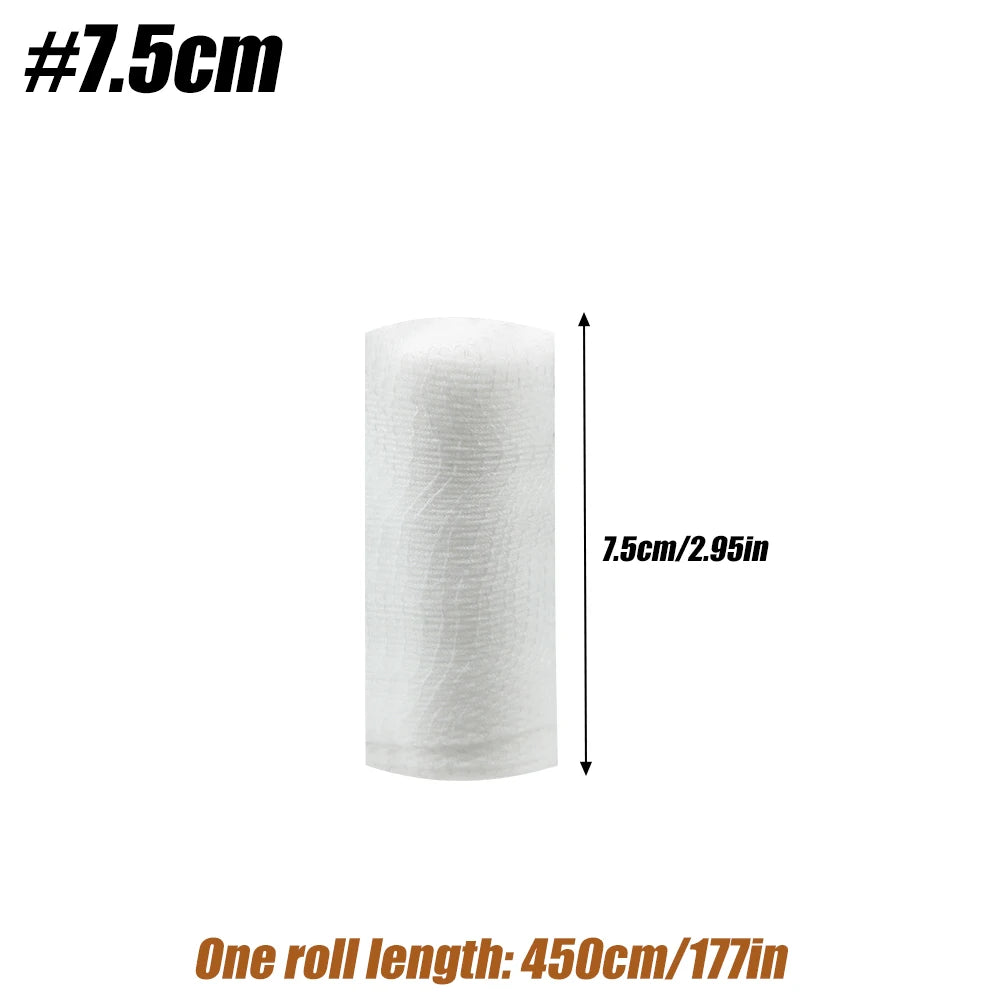
For reliable results, using high-quality gauze bandage rolls ensures consistent stretch and breathability, especially during extended wear.
Why Proper Wrapping Matters
- Prevents contamination and infection
- Supports faster healing with airflow
- Reduces need for frequent rewrapping
- Keeps you comfortable during movement
Common Mistakes That Cause Bandages to Slip
Most people don’t realize they’re making small mistakes that lead to big frustrations.
| Mistake | What Happens | Fix |
|---|---|---|
| Wrapping too loosely | Bandage slides off | Apply even tension |
| Wrapping too tight | Circulation issues | Check comfort and color |
| No anchor layer | Bandage unravels quickly | Start below wound |
| Skipping tape | Ends come loose | Secure properly |
These mistakes are especially common during outdoor trips when you're multitasking or rushing. Packing reliable gear from First Aid Kits helps prevent these issues.
Best Way to Secure Gauze Bandage for All-Day Hold
If you want your bandage to last through hiking, playing, or working, you need more than basic wrapping.
- Use tape strategically: Secure both ends and high-movement areas
- Add a second wrap layer: Especially on joints like elbows or knees
- Use clips or fasteners: Prevent unraveling
- Reinforce edges: Extra strips stop peeling
👉 Learn how to choose the right gear for safer outdoor adventures
Outdoor enthusiasts often pair bandaging supplies with gear from Safety, Survival & Emergency to stay prepared for unexpected injuries.
Pro Tip: The “Figure-8 Wrap” Method
This technique works especially well on joints:
- Wrap diagonally across the joint
- Cross over in a figure-8 pattern
- Repeat for stability

💡 See it in action
Ways to Keep Bandages on Kids Longer (Without Constant Rewrapping)
If you’ve ever tried to keep a bandage on a child, you know the struggle. Movement, curiosity, and discomfort all work against you.
- Use breathable gauze: Keeps skin cool and reduces irritation
- Make it fun: Let kids choose colors or designs
- Wrap snugly but gently: Avoid complaints that lead to removal
- Distract after applying: Keeps focus off the bandage
Parents often combine bandaging with protective gear from Safety Gear for Kids to reduce repeat injuries during play.
Real Parent Insight
“After switching to better wrapping techniques and breathable gauze, I stopped rewrapping my son’s knee every hour. It finally stayed on through a full day of play.”
How Outdoor Conditions Affect Bandage Performance
Bandages behave differently outdoors. Heat, sweat, and movement can quickly loosen even well-applied wraps.
- Heat: Causes adhesive to weaken
- Sweat: Reduces friction and grip
- Movement: Constant shifting loosens wraps
- Moisture: Weakens structure
When heading outdoors, pairing first aid supplies with essentials from Camping & Picnic ensures you’re ready for real-world conditions.
Best Practice for Outdoor Use
- Reinforce bandage before activity
- Carry extra tape or wraps
- Check periodically during long outings
Quick Checklist: Bandage That Stays Put All Day
- ✔ Clean and dry skin before applying
- ✔ Use breathable gauze layers
- ✔ Wrap with consistent tension
- ✔ Anchor below and above wound
- ✔ Secure ends with tape or clips
- ✔ Reinforce high-movement areas
Using dependable supplies like gauze bandage rolls makes each step easier and more effective.

💡 See it in action
Stop Rewrapping—Get It Right the First Time
Mastering how to apply a gauze bandage isn’t complicated—but doing it correctly makes all the difference. With the right technique, proper materials, and a few smart tricks, you can keep bandages secure all day without discomfort or constant adjustments.
👉 Get yours now before your next trip!
Frequently Asked Questions
How tight should a gauze bandage be?
It should be snug enough to stay in place but not restrict circulation. Check for numbness, tingling, or discoloration.
How often should I change a gauze bandage?
Typically once a day or whenever it becomes wet or dirty. Outdoor conditions may require more frequent changes.
What’s the best way to secure gauze bandage on joints?
Use a figure-8 wrapping technique and reinforce with tape at stress points.
Why does my bandage keep falling off?
Common reasons include loose wrapping, moisture, or lack of proper anchoring. Adjust technique and materials.
Can I use gauze bandages for active kids?
Yes, especially breathable options combined with secure wrapping methods and reinforcement techniques.
Pillar Article: Bandage For Sensitive Skin: Best Uses For Irritation-Free Care
Other Related Articles:
Explore More:





