

Winter Camping Techniques: The Complete System for Staying Warm, Safe, and Comfortable in Extreme Cold
Winter Camping Techniques: The Complete System for Staying Warm, Safe, and Comfortable in Extreme Cold
Winter camping is not a test of how much gear you can carry—it is a test of how well you can manage three invisible systems working against you: heat loss, moisture buildup, and energy depletion. The moment temperatures drop below freezing, every decision you make starts to compound. A damp base layer, a poorly placed tent, or a weak stove setup can turn a simple overnight trip into a survival situation.
This guide reframes winter camping as a structured operating system. Instead of memorizing disconnected tips, you’ll learn how to control your environment through repeatable systems for warmth, shelter, cooking, and safety. Whether you're preparing for your first cold-weather trip or upgrading your skills, this framework will help you think like an experienced winter camper.
We’ll also connect each system to real-world gear and setups used in modern camping, along with practical checklists and scenario-based strategies so you can adapt to changing winter conditions with confidence.
Winter Camping as a Survival System (Not Just Gear)
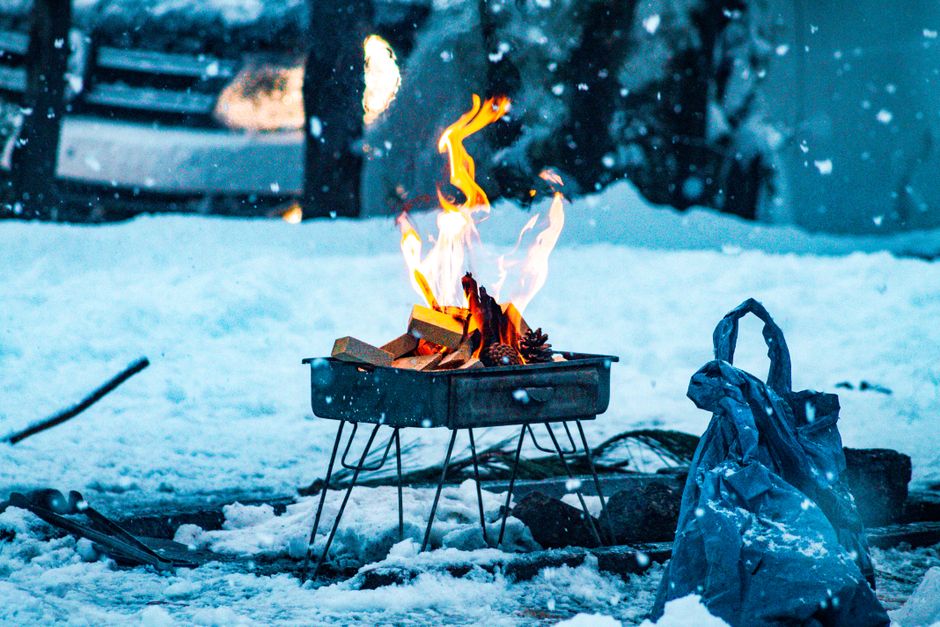
Most beginners approach winter camping as a shopping list problem: buy a better jacket, thicker sleeping bag, or stronger tent. In reality, experienced campers think in systems. Gear matters—but only when it supports a working model of heat, moisture, and energy control.
The Three Core Systems: Heat, Moisture, Energy
- Heat System: Your ability to generate and retain warmth through insulation, shelter, and activity pacing.
- Moisture System: Your ability to prevent sweat, condensation, and external water from destroying insulation efficiency.
- Energy System: Your ability to balance calorie intake, movement, and rest without exhausting your body in cold conditions.
If any one of these systems fails, the others degrade quickly. For example, excess moisture reduces insulation efficiency, which forces your body to burn more energy to stay warm.
Why Beginners Fail in Winter Conditions
Most failures happen not because of extreme weather, but because of small overlooked mistakes:
- Overdressing while hiking → excessive sweating → wet base layers at camp
- Poor tent ventilation → condensation freeze inside sleeping area
- Underestimating fuel consumption → no warm meals or water
Winter camping success is not about perfection—it is about maintaining system balance under changing conditions.
Explore essential preparation tools in the Camping & Picnic collection for foundational gear organization.
Layering System Clothing: Your First Line of Defense
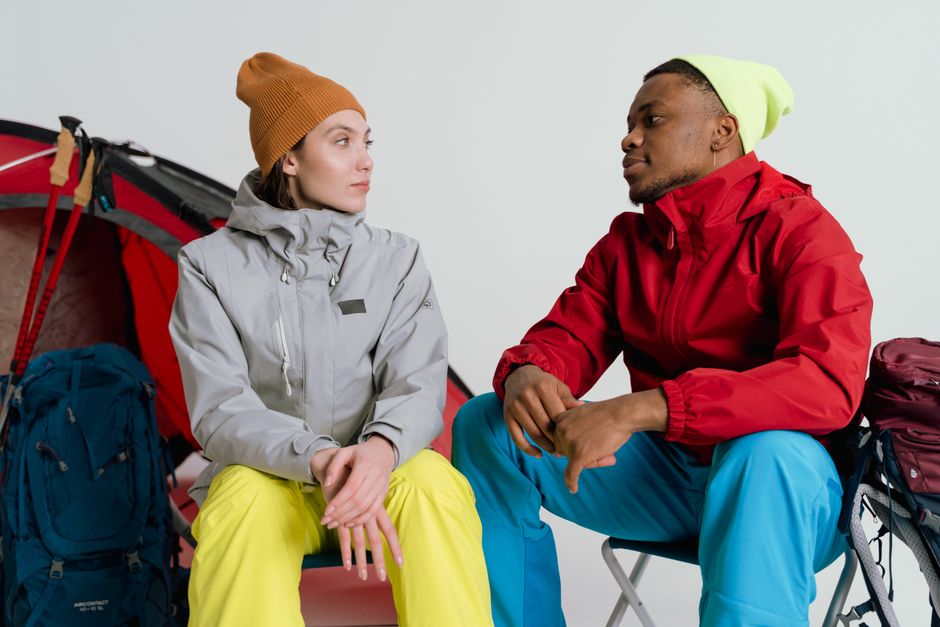
Layering is the most important controllable system in winter camping. Instead of relying on a single heavy jacket, the layering system allows you to actively regulate temperature and moisture.
Base Layer: Moisture Control Fundamentals
The base layer is not about warmth—it is about keeping sweat away from your skin. Once moisture stays trapped, your insulation becomes significantly less effective.
Mid Layer: Insulation Strategy
This layer traps warm air. Fleece and synthetic insulation perform better than cotton in wet or cold environments because they retain loft even when damp.
Outer Shell: Wind and Snow Protection
The outer layer blocks wind and precipitation. Wind is often the most underestimated heat loss factor in winter camping.
Common Layering Mistakes in Sub-Zero Conditions
- Wearing too many layers while hiking
- Using cotton as a base layer
- Not adjusting layers during activity changes
Good layering is dynamic, not static.
For full clothing systems and protection gear, browse the Wind & Cold Protection collection.
Thermal Heat Retention Strategies in the Field

Heat loss occurs through four main pathways: conduction (ground), convection (wind), radiation (body heat), and evaporation (sweat). Controlling these determines your comfort level.
Reducing Heat Loss from Ground, Wind, and Moisture
- Use insulating sleeping pads to block ground cold
- Position tents behind natural wind barriers
- Keep clothing dry at all times
Active vs Passive Heat Management
Active heat comes from movement and cooking. Passive heat comes from insulation and shelter design. Winter camping requires balancing both instead of relying on one.
Browse protective setups in the Weather Protection & Environment collection for better campsite insulation strategies.
Sleeping System Optimization for Sub-Zero Nights

Your sleeping system is the most critical survival component in winter camping. At night, your body is inactive, meaning heat generation drops significantly.
Understanding Sleeping Bag Temperature Ratings
Sleeping bags are rated based on survival limits and comfort ranges. Choosing incorrectly can lead to dangerously cold nights.
Insulated Sleeping Pad R-Value Explained
R-value measures resistance to heat loss through the ground. In winter conditions, this becomes just as important as your sleeping bag.
Layering Sleeping Systems for Extreme Cold
Experienced campers often combine multiple insulation layers instead of relying on one high-rated bag.
Explore advanced sleep setups in the Sleeping Bags & Sleeping Pads collection.
| System Type | Heat Retention | Moisture Control | Weight |
|---|---|---|---|
| Single Sleeping Bag | Medium | Low | Light |
| Layered Sleeping System | High | Medium | Medium |
| Hot Tent Setup | Very High | High | Heavy |
Moisture Management in Cold Weather Environments
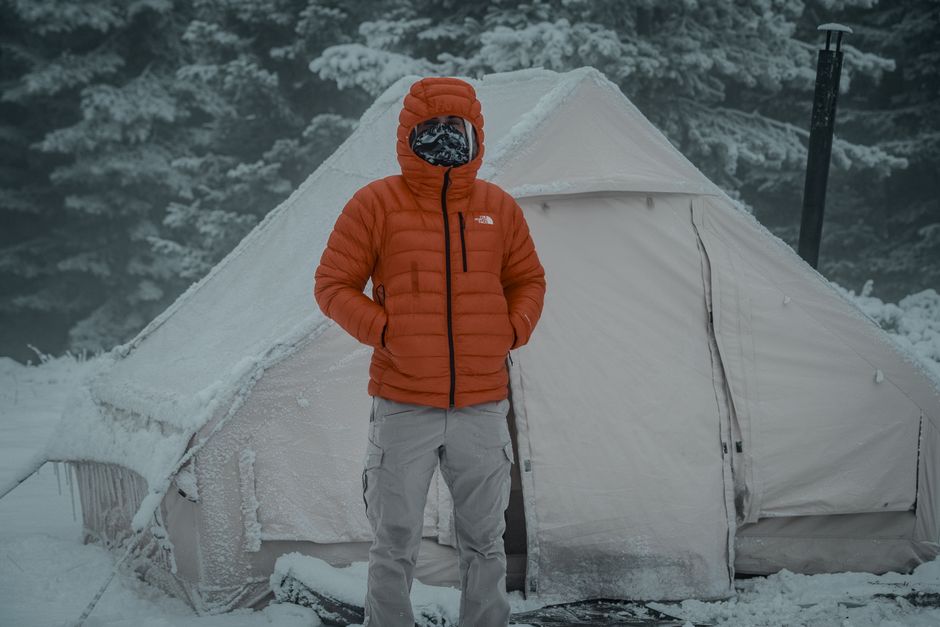
Moisture is the silent failure point in winter camping. It weakens insulation, increases heat loss, and creates dangerous cold spots in gear.
Why Moisture Is the Silent Winter Risk
Even small amounts of sweat or condensation can reduce insulation efficiency by more than 50%.
Preventing Internal Sweat Saturation
- Adjust clothing during movement
- Ventilate sleeping systems when possible
- Avoid overdressing during hikes
Winter Camping Stove Fuel Efficiency and Cooking Strategy

Cold temperatures reduce fuel efficiency and slow down cooking systems. Managing heat output becomes essential for hydration and nutrition.
How Cold Affects Stove Performance
Gas canisters lose pressure in cold environments, reducing flame consistency and cooking speed.
Fuel Types and Efficiency Optimization
Liquid fuel systems perform more reliably in extreme cold, but require more maintenance and careful handling.
Browse optimized cooking systems in the Camping Stoves & Cooking collection.
Hypothermia Prevention Techniques and Early Warning Signs

Hypothermia is one of the most serious risks in winter camping, but it develops gradually and can often be prevented if recognized early.
Early Symptoms and Risk Indicators
- Shivering that becomes uncontrollable
- Loss of coordination
- Slurred speech or confusion
Field Response Protocols
Immediate warming, dry clothing replacement, and insulation from ground contact are critical first steps.
“In winter camping, comfort is not a luxury—it is a safety indicator. When comfort disappears, risk begins.” — Outdoor Survival Field Instructor
Snow Shelter Building Techniques for Beginners

When tents are unavailable or conditions become extreme, snow shelters can provide life-saving insulation by using snow’s natural thermal properties.
Quinzee vs Snow Cave vs Windbreak
- Quinzee: Mounded snow shelter carved from inside
- Snow Cave: Dug directly into deep snowbanks
- Windbreak: Simple barrier to reduce exposure
Campfire Safety Techniques in Snowy Conditions
Fire behaves differently in snow-covered environments because heat rapidly melts ground insulation, creating unstable fire bases.
Fire Platform Building on Snow
A stable platform prevents fire from sinking into melting snow.
Wind Control and Fire Stability
Windbreaks are essential for maintaining consistent flame and fuel efficiency.
Energy Conservation in Extreme Cold Environments

Energy management determines how long you can safely remain active in cold environments. Every movement burns calories that must be replaced with food and warmth.
Why Energy Management Is Survival Critical
Without proper energy balance, body temperature regulation becomes unstable.
Scenario-Based Winter Camping Walkthroughs

Scenario 1: Sudden Snowstorm Setup
When visibility drops quickly, prioritize shelter setup before exhaustion sets in. Reduce movement and establish wind protection first.
Scenario 2: Frozen Gear Recovery
Frozen zippers and stiff materials should be warmed gradually using body heat rather than force.
Essential Winter Camping Gear Example Setup

One effective shelter system for cold environments is a hot tent setup that allows controlled internal heating while maintaining ventilation.

The Hot Tent with Stove Jack Ultralight Shelter is designed for cold-weather camping where controlled heat becomes essential. The integrated stove jack allows safe stove use inside the tent, significantly improving warmth and survivability in freezing environments.
It pairs well with broader gear systems found in the Camping Tents & Shelter collection.
Emergency Winter Survival Backup System

Even experienced campers carry backup shelter systems in case of sudden weather changes or gear failure. Compact emergency shelters are designed for rapid deployment and heat retention.

The Emergency Survival Shelter Tent provides reflective thermal insulation that helps retain body heat in critical conditions. Its lightweight design makes it ideal as a backup safety layer during unexpected cold exposure.
Find more safety essentials in the Safety, Survival & Emergency Gear collection.
Beginner Winter Camping Checklist (System-Based)
- Base, mid, and outer layer clothing system
- Insulated sleeping system with high R-value pad
- Wind-resistant shelter setup
- Reliable stove and fuel system
- Emergency backup shelter
- Fire-starting tools and waterproof ignition
Organize efficiently using the Camping Storage & Boxes collection for modular packing systems.
Expert Insight on Winter Camping Systems
“The biggest misconception in winter camping is that gear solves cold. In reality, systems solve cold—gear only supports them.” — Outdoor Expedition Specialist
FAQ: Winter Camping Techniques
How do you stay warm while winter camping?
Focus on layering systems, insulated sleeping setups, and wind protection rather than relying on a single heat source.
What is the most important winter camping gear?
A properly rated sleeping system combined with a windproof shelter is the foundation of survival comfort.
How do beginners avoid hypothermia?
Stay dry, avoid overexertion, and monitor early symptoms like shivering and confusion.
What should you eat while winter camping?
High-calorie, warm meals that are easy to prepare and digest help maintain energy balance.
Is fire enough for winter camping warmth?
No. Fire helps, but insulation and shelter design are far more important for sustained warmth.
Conclusion: Mastering Winter Camping as a System
Winter camping success comes from managing interconnected systems rather than relying on individual gear items. When you control heat retention, moisture, and energy effectively, cold environments become predictable and manageable.
By applying structured layering, optimized sleeping systems, and emergency backup planning, you transform winter camping from a survival challenge into a controlled outdoor experience.
For complete setup planning, explore the full range of Camping & Picnic essentials collection to build a fully integrated cold-weather system.
Pillar Article: Camping Checklist for Beginners: The Complete First-Time Setup & Packing System





