

Dry Bag Dimensions Explained: What Fits in Every Size (2L–50L+)
Dry Bag Dimensions Guide: What Fits in Every Size (2L to 50L+)
One wrong gear choice on a trip can ruin everything—like realizing your dry bag is too small for your clothes or too large to organize properly. Suddenly, your “waterproof solution” becomes a wet, chaotic mess.
This guide breaks down dry bag dimensions in a practical way: not just liters, but what actually fits inside each size. Whether you’re kayaking, backpacking, or planning a weekend camping trip, you’ll learn exactly how to match capacity to real gear so you never overpack or underpack again.
If you're building a complete outdoor setup, you may also want to explore our camping essentials collection or browse the full waterproof & dry bags collection for more packing solutions.
Dry Bag Sizes Explained (2L to 50L+) — Quick Comparison Chart
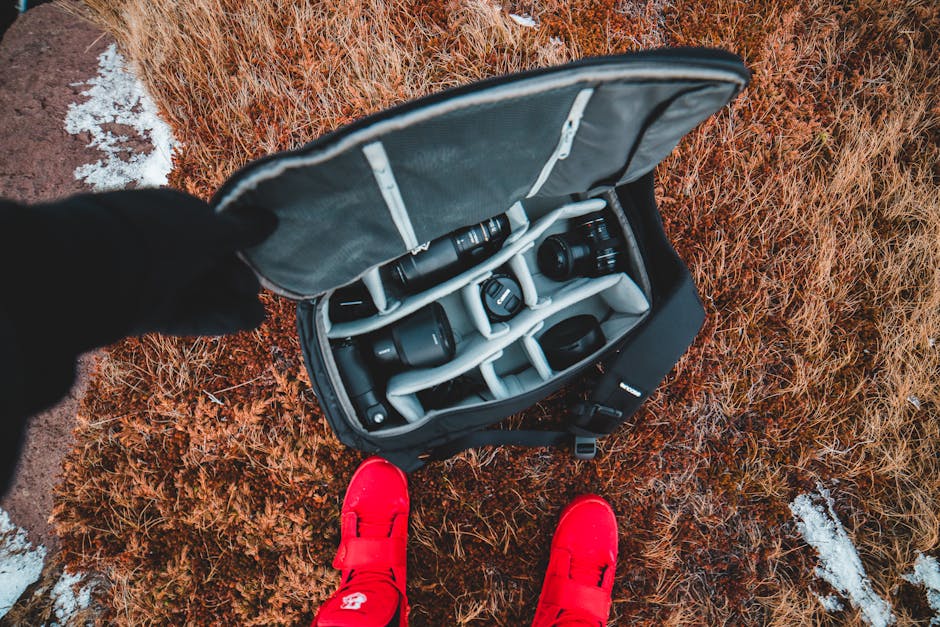
Dry bags are measured in liters, but those numbers don’t mean much until you translate them into real-world packing space. Below is a simplified breakdown of common sizes and what they’re typically used for.
| Dry Bag Size | Best Use Case | What It Fits |
|---|---|---|
| 2L – 5L | Essentials protection | Phone, wallet, keys, small electronics |
| 10L | Day trips | Light clothing, towel, snacks |
| 20L | Full-day adventure | Extra clothes, jacket, food, gear |
| 30L | Weekend trips | 2 days of clothing + essentials |
| 40L – 50L+ | Expeditions | Multi-day gear, sleeping system, bulk items |
Standard Dry Bag Size Categories and Use Cases
Each size category serves a different role in outdoor packing systems. Small bags are about protection, while larger bags are about full gear transport.
- Micro bags (2L–5L): Protect valuables from water exposure
- Medium bags (10L–20L): Day-trip essentials and clothing
- Large bags (30L–50L+): Extended trips and camping systems
Liters to Gear Capacity: How Volume Translates to Real Packing Space
Think of liters as “soft volume.” A 20L dry bag does not behave like a rigid container—it compresses. Soft goods like clothes fit better, while hard objects reduce usable space.
A helpful rule: 10L ≈ one small backpack compartment, while 30L approximates a fully packed daypack.
What Fits Inside Every Dry Bag Size (Real Packing Breakdowns)

Let’s move beyond theory and break down exactly what you can pack into each size in real scenarios.
2L–5L Dry Bags: Essentials Protection (Phone, Wallet, Electronics)
These are your “panic protection” bags. They’re not for clothing—they’re for survival-level essentials.
- Smartphone + power bank
- Wallet and passport
- Small camera or GoPro
Perfect for kayaking, rafting, or beach trips where splashes are unavoidable.

10L Dry Bag: Day Trip Essentials Breakdown
A 10L bag is one of the most versatile sizes for beginners. It fits a balanced mix of clothing and gear.
- 1 lightweight jacket
- 1 towel
- Extra T-shirt and shorts
- Snacks and hydration pouch
This size works especially well for hiking and short kayaking trips.

20L Dry Bag: Full-Day Adventure or Light Overnight
A 20L dry bag gives you enough space for structured packing without bulk overload.
- 2 sets of clothing
- Light jacket or rain shell
- Food supplies for a day
- Basic camping gear
This is a sweet spot for kayaking or minimalist camping setups.
30L Dry Bag: Weekend Trip Packing Example
A 30L bag is where things start to feel like real travel capacity.
- 2–3 days of clothing
- Toiletries kit
- Lightweight sleeping gear
- Cooking essentials
Pairing this with items from the camping storage boxes collection helps separate wet and dry gear efficiently.
40L–50L+ Dry Bags: Multi-Day & Expedition Storage
These are expedition-level storage systems designed for bulk gear transport.
- Full clothing rotation (3–5 days)
- Sleeping bag and pad
- Cooking gear and food supply
- Extra waterproof layers
They are commonly used in long kayaking expeditions or multi-day trekking trips.
How to Choose the Right Dry Bag Size (Decision Tree Guide)
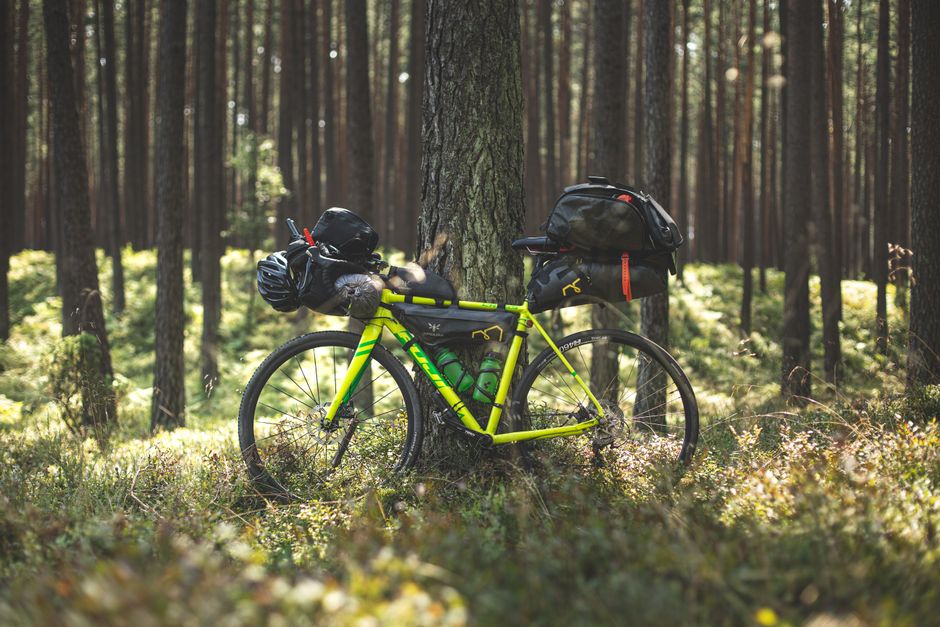
Choosing the right size is less about guessing and more about understanding your trip structure.
Step 1: Define Trip Duration and Activity Type
- 1 day: 10L–20L
- Weekend: 20L–30L
- Multi-day: 30L–50L+
Step 2: Estimate Gear Volume Using Packing Categories
Divide your gear into three groups: clothing, food, and equipment. Clothing usually takes up 60% of space.
Step 3: Choose Single vs Multi-Bag Strategy
Instead of relying on one large bag, many experienced travelers prefer multiple smaller bags for better organization and waterproof redundancy.
Explore more packing solutions in our backpacking & carry solutions collection.
Single Large Dry Bag vs Multiple Smaller Bags (Which Is Better?)

| Setup | Pros | Cons |
|---|---|---|
| Single Large Bag | Simple packing, fewer items to manage | Harder to organize, full loss risk if failure occurs |
| Multiple Small Bags | Better organization, layered waterproofing | More items to track |
Multi-bag systems are especially useful for kayaking, where separating wet and dry gear is essential.
“The biggest mistake beginners make is treating a dry bag like a suitcase. It’s actually a waterproof system, not just storage.” — Outdoor Gear Specialist
How to Pack a Dry Bag Properly (Waterproofing That Actually Works)

Even the best dry bag fails if packed incorrectly. Proper technique matters more than material in many cases.
Roll-Top Closure Mechanism Explained
The roll-top design works by folding the opening multiple times before sealing. Each fold increases waterproof reliability.

Compression Packing Techniques for Maximum Space
Rolling clothes instead of folding reduces air gaps and increases usable volume by up to 20%.
Waterproof Rating (IPX Standards) and What They Mean
Most dry bags rely on material sealing rather than electronic IPX ratings, but the principle is the same: prevent water intrusion under pressure and immersion.
Common Dry Bag Sizing Mistakes (And How to Avoid Them)

Oversizing: Why Bigger Isn’t Always Better
Extra space leads to shifting gear, poor waterproof sealing, and inefficient packing.
Underpacking: Running Out of Space Mid-Trip
Beginners often underestimate clothing volume, especially in cold or wet environments.
Improper Sealing and Water Entry Risks
Even a 1 cm sealing error can allow water entry during submersion or heavy splash exposure.
Advanced Packing Systems: Waterproof Storage Strategy for Any Trip

Dry bags are most powerful when used as part of a full gear system rather than standalone items.
Backpacking Gear Organization with Dry Bags
Use separate bags for clothing, food, and electronics for better access and protection.
Kayaking Gear Packing System (Waterproof Layering)
Layer multiple dry bags inside a waterproof backpack for double protection.
Camping Gear Storage Solutions Using Dry Bags
Combine dry bags with structured storage systems for better campsite organization.
For full setup optimization, explore our camping & picnic essentials collection.
Product Example: Waterproof Dry Bag in Real Use
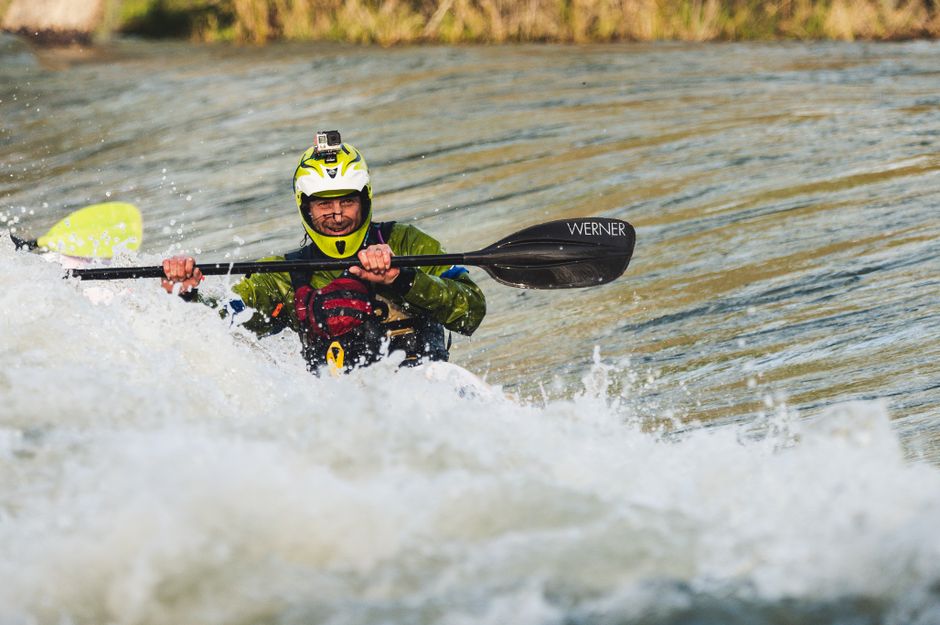
Here is a real-world example of a durable waterproof dry bag used in kayaking and camping setups:
This type of roll-top dry bag is commonly used across 3L to 35L sizes and is ideal for protecting clothing, electronics, and food during water-based activities.
Dry Bag Packing Efficiency Tips
- Always pack heavier items at the bottom for stability
- Separate electronics from clothing using internal mini bags
- Leave 10–15% empty space for roll-top sealing
- Use color-coded bags for quick identification
FAQ
What size dry bag do I need for a weekend trip?
A 20L–30L dry bag is ideal for most weekend trips depending on clothing and gear volume.
How do I choose the right dry bag size for kayaking or camping?
Consider trip duration, weather conditions, and gear separation needs. Kayaking often benefits from multiple smaller bags.
What fits inside a 10L, 20L, or 30L dry bag?
10L fits essentials and light clothing, 20L fits full-day gear, and 30L supports multi-day trips.
Is it better to use one large dry bag or multiple smaller ones?
Multiple smaller bags provide better organization and reduce risk of total gear loss if one bag fails.
How do you pack a dry bag properly to keep gear dry?
Roll clothing tightly, avoid overfilling, and seal the roll-top closure at least 3–4 folds.
Conclusion
Choosing the right dry bag dimensions is not about guessing liters—it’s about matching real-world packing needs to your specific trip type. Once you understand what fits inside each size, you can build a smarter, more reliable waterproof system for any outdoor adventure.
Start by identifying your trip duration, then layer your gear using the sizing framework above. For more gear planning, explore our hydration & food management collection and build a complete outdoor setup.
Pillar Article: Camping Gear List for Beginners: The Ultimate Checklist + Setup Guide (2026)





