

Portable Charger Quick Charge: How To Get Fastest Top-Ups
Portable Charger Quick Charge: How To Get Fastest Top-Ups
⏱ 9 min read
Does portable charger quick charge really speed up charging?
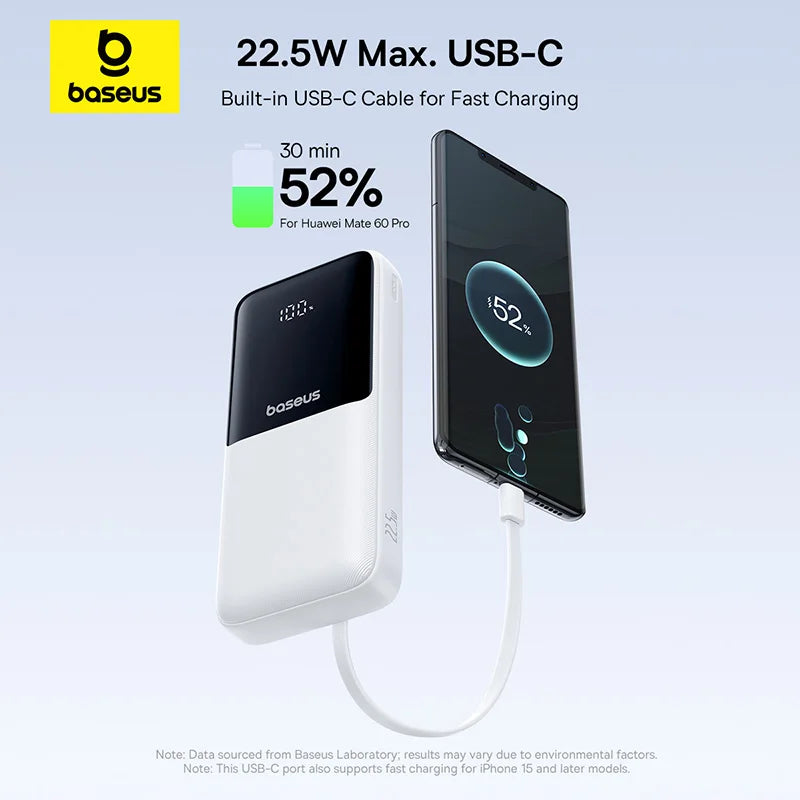
Portable charger quick charge technology can dramatically reduce charging time when paired with the right cable, compatible device, and high-output power bank. A quality mAh fast charging power bank with usb fast charge support can refill many smartphones to around 50% in under 30 minutes, helping travelers avoid running out phone battery travel emergencies.
Dead phones during road trips, delayed flights, hikes, or long festival days can turn simple moments into stressful problems fast. Whether you need maps, emergency contacts, boarding passes, or entertainment, charging speed matters. This guide explains how portable charger quick charge setups actually work, how to avoid hidden slowdowns, and how to keep devices powered longer outdoors and while traveling.
Ever missed a rideshare pickup or lost navigation because your phone died at the worst possible moment? Fast charging can prevent those frustrating interruptions while keeping your devices ready for every adventure.
Pair faster charging with reliable outdoor essentials from Lighting & Power and Portable Power Banks for smoother trips and fewer battery worries.
💡 See it in action
Why Faster Charging Matters During Travel
Portable charger quick charge solutions are especially valuable when outlets are limited. Airports, campsites, stadiums, and roadside stops rarely give travelers unlimited charging time. Faster top-ups help maximize every available minute.
Modern travelers carry multiple devices:
- Smartphones for navigation and boarding passes
- Wireless earbuds for flights and commuting
- Tablets for entertainment
- Fitness watches and GPS trackers
- Cameras and portable lighting gear
Outdoor users often rely on battery-powered equipment from Headlamps & Wearable Lights and Emergency Lighting, making reliable power even more important.
“I used to spend hours waiting for my phone to recharge at airports. Switching to a fast-charging power bank cut my downtime dramatically during cross-country travel.” — Frequent traveler from Colorado
How the Right mAh Fast Charging Power Bank Saves Time
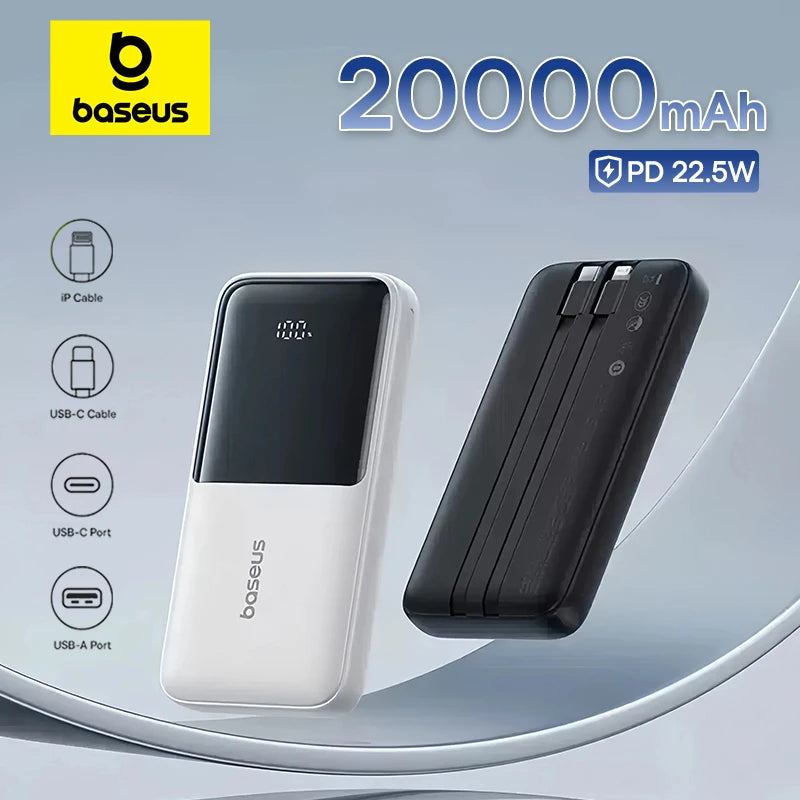
A portable charger quick charge setup works best when the power bank supports higher wattage output and modern charging protocols. Capacity alone does not guarantee speed. A low-output 20,000mAh battery pack may still charge slowly if it lacks usb fast charge capability.
When choosing a power bank, focus on:
- Fast charging protocol compatibility
- USB-C PD or Quick Charge support
- High-quality cables
- Battery capacity matching your travel style
- Built-in cable convenience
| Feature | Why It Matters |
|---|---|
| 20,000mAh Capacity | Multiple phone recharges during trips |
| USB-C Fast Output | Faster charging for newer devices |
| Built-In Cables | Less clutter and fewer forgotten accessories |
| Multi-Device Charging | Power phones, earbuds, and tablets simultaneously |
Travelers heading into remote areas often combine charging gear with equipment from Solar Lights & Chargers and Car Camping Accessories for extended power backup.
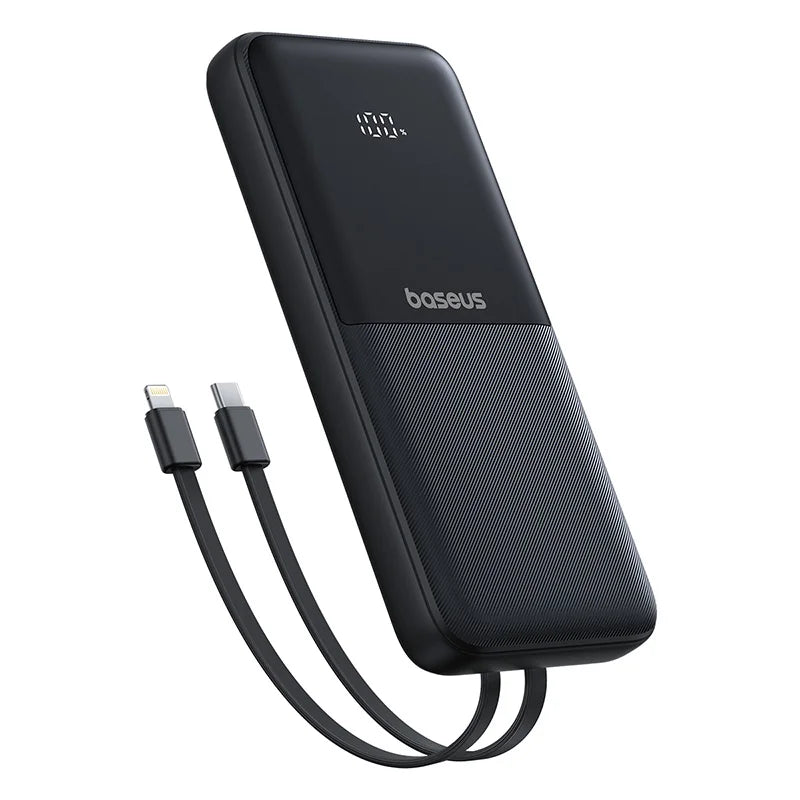
One convenient option is the 20000mAh fast charging built-in cable power bank, which simplifies charging while reducing the need for extra cables during flights, hikes, and long drives.
How To Speed Up Portable Charger Quick Charge Performance
Portable charger quick charge performance depends on several small factors working together. Even premium power banks slow down when paired with weak cables or incorrect settings.
1. Use Certified Fast-Charging Cables
The cable is often the hidden bottleneck. Cheap or worn-out cables can dramatically reduce charging speeds.
- Use USB-C to USB-C when possible
- Avoid damaged cables
- Replace loose connectors
- Choose cables rated for higher wattage
2. Turn On Airplane Mode During Charging
Your phone consumes power while charging. GPS, Bluetooth, and background apps slow refill speeds.
Airplane mode helps by:
- Reducing power consumption
- Minimizing battery heat
- Allowing faster energy transfer
- Helping devices recharge more efficiently
3. Avoid Heat Exposure
Heat is one of the biggest enemies of usb fast charge efficiency. Charging inside hot vehicles or direct sunlight often triggers thermal throttling.
Keep your charger:
- Inside shaded backpacks
- Out of direct dashboard sunlight
- Away from sleeping bags or blankets trapping heat
- Stored inside breathable organizers
Many outdoor travelers store electronics using Gear Organizers & Pouches and Waterproof & Dry Bags for safer transport.
Build a smarter travel setup with Backpacking & Carry, Lightweight Daypacks, and reliable charging gear for longer outdoor adventures.
💡 See it in action
Common Travel Charging Mistakes That Slow Everything Down
Many people assume all portable chargers perform the same. In reality, several habits can quietly destroy charging efficiency.
| Mistake | Result |
|---|---|
| Using old USB-A cables | Slower charging speeds |
| Charging while gaming | Battery drains faster than it fills |
| Buying oversized low-quality power banks | Heavy gear with weak output |
| Leaving chargers in hot cars | Reduced battery lifespan |
| Charging too many devices simultaneously | Reduced charging speed per device |
People planning longer trips often pack backup gear from Emergency Road Kits and Safety, Survival & Emergency collections to avoid travel disruptions caused by dead electronics.
Why Running Out Phone Battery Travel Problems Keep Happening
Most battery emergencies happen because travelers underestimate how heavily modern apps drain phones.
High-drain activities include:
- GPS navigation
- Streaming music
- Video recording
- Photo editing
- Mobile hotspot use
- Fitness tracking apps
A mAh fast charging power bank gives flexibility, but smart usage habits matter too.
Best Outdoor Charging Setup for Camping and Road Trips
Portable charger quick charge systems become even more useful outdoors where outlets are limited or unavailable.
Here’s a practical travel-ready charging kit:
- Fast-charging 20,000mAh power bank
- Compact USB-C cable
- Backup solar charger
- Waterproof storage pouch
- Vehicle charging adapter
Campers frequently combine charging solutions with gear from Camping & Picnic, Travel, Car & Road Trip, and Foldable Travel Gear to stay organized during longer journeys.
“Our road trip group charged four phones, earbuds, and a camera battery using one fast-charging power bank during a weekend camping trip.” — National park traveler review
How To Keep Devices Charged Travel Longer
If you want maximum battery life throughout a trip, combine fast charging with smarter battery management.
- Lower screen brightness outdoors
- Download maps offline before travel
- Disable unnecessary app refreshes
- Use low-power mode when hiking
- Recharge devices before they hit 5%
- Carry compact backup cables
For longer outdoor stays, many travelers add portable comfort gear from Blankets & Sleeping Comfort and Hammocks & Straps to create more comfortable charging and resting setups at camp.
How To Protect Battery Health While Charging Fast
Fast charging is convenient, but maintaining long-term battery health still matters.
Follow these simple habits:
- Avoid overnight charging in extreme heat
- Use reputable chargers only
- Disconnect devices once fully charged
- Keep battery levels between 20% and 80% when possible
- Store power banks partially charged during long inactivity
Reliable charging equipment like the 20000mAh fast charging built-in cable power bank helps balance convenience, portability, and safer charging performance during daily use and outdoor travel.
💡 See it in action
Quick Comparison: Slow Charging vs Fast Charging
| Feature | Standard Charging | Portable Charger Quick Charge |
|---|---|---|
| Charging Speed | Slow | Much Faster |
| Travel Convenience | Limited | High |
| Best for Airports | No | Yes |
| Outdoor Reliability | Moderate | Excellent |
| Multi-Device Support | Basic | Better Performance |
Upgrade your charging setup with the 20000mAh fast charging built-in cable power bank and stay prepared for flights, hikes, camping weekends, and emergency travel delays.
Charge Faster and Travel Smarter
Portable charger quick charge technology can completely change the way you travel, commute, camp, and explore outdoors. Faster top-ups reduce stress, improve safety, and keep your most important devices ready when you need them most.
By combining a reliable mAh fast charging power bank, quality usb fast charge cables, and smarter battery habits, you can avoid running out phone battery travel problems while keeping every adventure smoother and more connected.
FAQ
What is portable charger quick charge?
Portable charger quick charge refers to power banks and charging systems designed to deliver higher charging speeds using technologies like USB-C Power Delivery or Quick Charge protocols.
How many times can a 20,000mAh power bank charge a phone?
Most 20,000mAh power banks can recharge modern smartphones approximately 3–5 times depending on battery size, charging efficiency, and device usage.
Does usb fast charge damage batteries?
Modern smartphones are designed to safely handle fast charging. Using quality chargers and avoiding overheating helps maintain long-term battery health.
What slows down fast charging the most?
Low-quality cables, excessive heat, background apps, and incompatible charging ports are among the biggest causes of slow charging performance.
How do I keep devices charged during travel?
Carry a high-capacity fast-charging power bank, enable low-power settings, reduce screen brightness, and bring backup charging cables for reliable travel power.
Pillar Article: How To Avoid Phone Battery Drain: 7 Simple Fixes For Travel
Other Related Articles:
- Mah Fast Charging Power Bank: How To Choose And Use It
- Usb C 20W Power Adapter: How To Use It Efficiently
- Usb Fast Charge: How To Charge Devices Faster Step-By-Step
Explore More:





