

How To Set Up Emergency Lighting For The Home Fast
How To Set Up Emergency Lighting For The Home Fast
What Is Emergency Lighting For The Home And Why Does It Matter?
Emergency lighting for the home helps families stay safe, move confidently, and avoid panic during sudden power outages. A fast setup using battery lanterns, wearable lights, and outdoor backup lighting improves visibility in minutes while reducing the risks linked to an emergency blackout without backup lighting.
Emergency lighting for the home can turn a stressful blackout into a manageable situation within minutes. Whether storms knock out power unexpectedly or grid failures leave neighborhoods in darkness, having reliable backup lighting keeps your family safer, calmer, and better prepared. This guide explains how to avoid an emergency blackout without backup lighting, how to choose the best battery powered lantern for emergencies, and smart tips for emergency outdoor lighting setup that improve visibility around your property fast.
⏱ 8 min read
Have you ever tried finding flashlights in total darkness while your phone battery was dying?
That moment is exactly why more homeowners are building simple, reliable emergency lighting plans before the next outage happens.
👉 Discover reliable blackout-ready gear before the next outage.
Emergency Lighting and Lighting & Power collections include practical tools designed for fast setup and dependable visibility.
💡 See it in action
How To Build A Fast Emergency Lighting Plan
Emergency lighting for the home works best when every light source already has a purpose and location. Families who prepare in advance often restore safe visibility in under five minutes during storms or nighttime outages.
- Place one lantern in every major room.
- Store wearable lights near beds and hallways.
- Keep spare batteries inside waterproof containers.
- Add outdoor lighting near exits and driveways.
- Charge power banks weekly before storm season.
A simple layered lighting setup creates flexibility during blackouts. Lanterns illuminate larger spaces, while wearable lights free your hands for cooking, repairs, or helping children move safely through dark rooms.
Many homeowners rely only on phone flashlights, but phones drain quickly during emergencies. A dedicated backup lighting system provides longer runtime and stronger brightness when power stays out for hours.
| Lighting Type | Best Use | Main Benefit |
|---|---|---|
| Battery Lantern | Living rooms and kitchens | Wide-area lighting |
| Headlamp | Hands-free movement | Safer mobility |
| Solar Light | Outdoor walkways | Rechargeable backup |
| Power Bank Lamp | Device charging zones | Dual-purpose power |
For homes in storm-prone regions, combining Portable Power Banks with Headlamps & Wearable Lights creates a faster and safer emergency response setup.
How To Choose The Best Battery Powered Lantern For Emergencies
The best battery powered lantern for emergencies delivers bright, long-lasting illumination while remaining simple to operate under stress. Look for lanterns with multiple brightness modes, rechargeable batteries, and durable weather-resistant construction for dependable performance during extended outages.
Not all lanterns perform well during real emergencies. Some models look bright in advertisements but fail after a few hours or provide weak coverage in larger rooms.
Features That Matter Most During A Blackout
- Long battery runtime
- USB charging capability
- Weather resistance
- Multiple brightness levels
- Compact carry handles
- Stable base for tabletop use
A high-capacity lantern becomes even more valuable during overnight outages. Families often use lanterns continuously for cooking, stair navigation, pet care, and checking outdoor conditions.
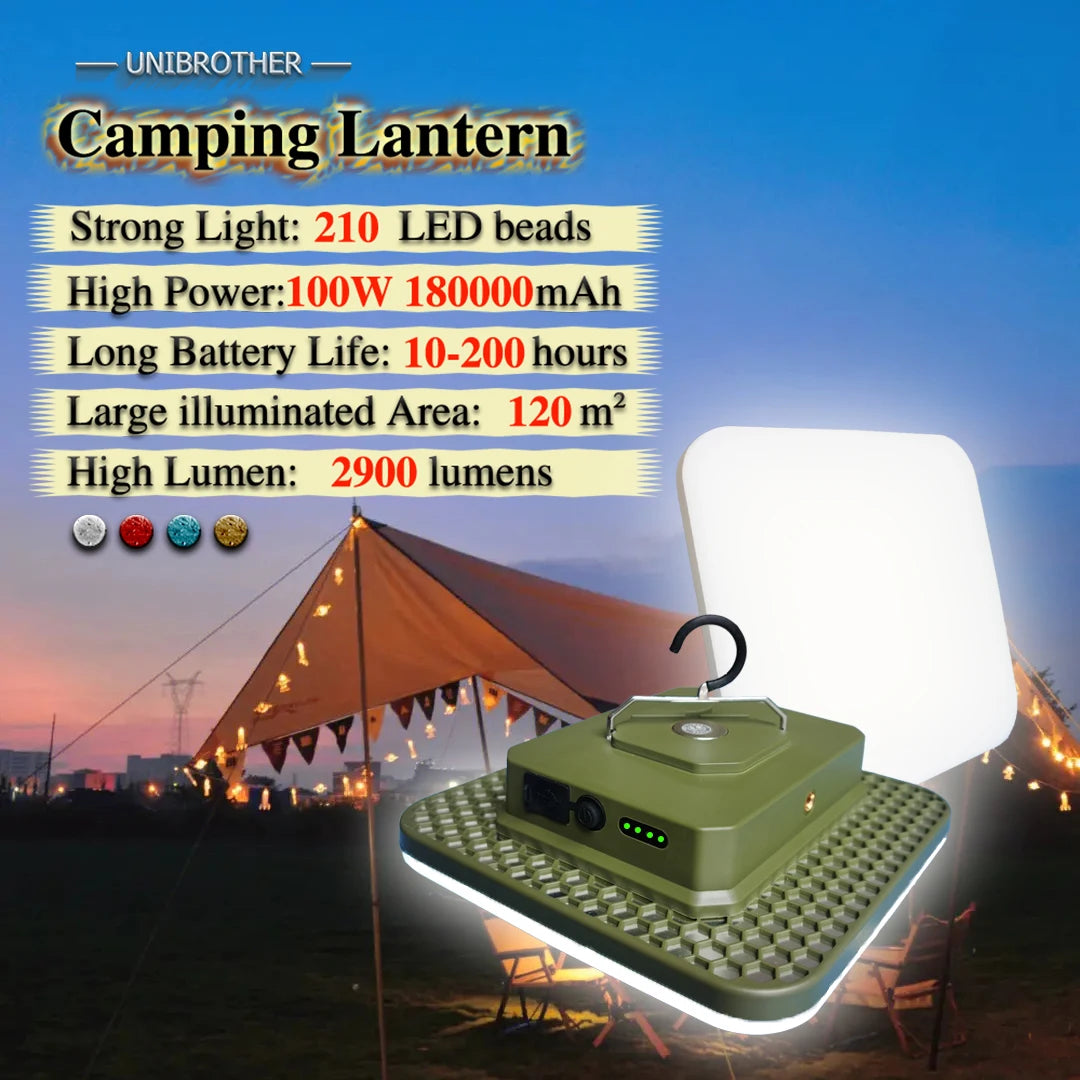
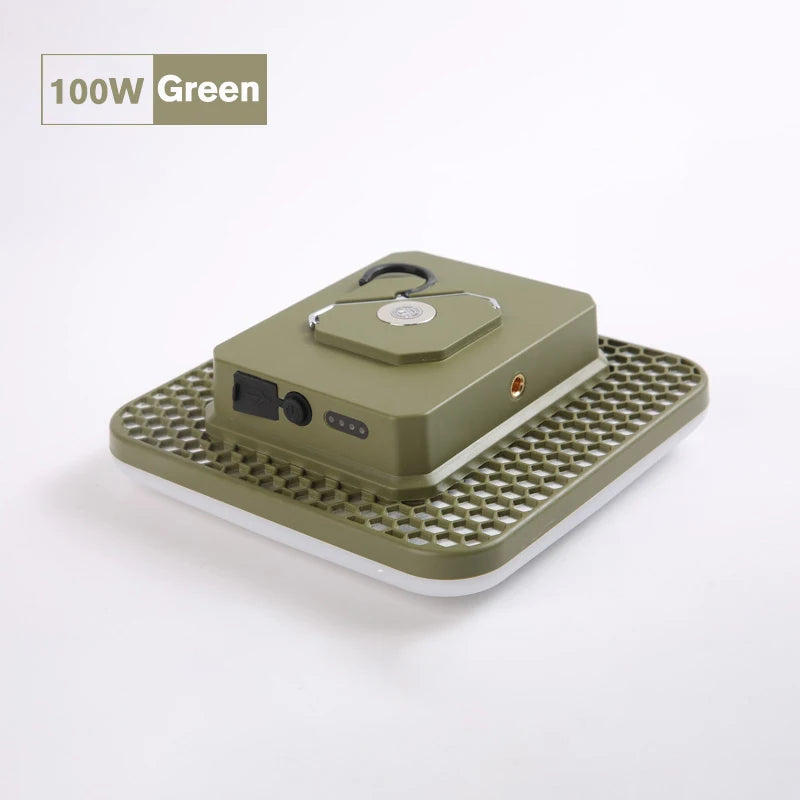
The 18000mAh 100W LED Camping Lantern is especially useful for blackout preparedness because it combines powerful illumination with portable charging support for emergency devices.
Outdoor travelers frequently mention how a reliable lantern reduced stress during campground storms and roadside emergencies. The same benefits apply at home when grid failures leave neighborhoods dark for extended periods.
👉 Learn how to build a dependable blackout kit before severe weather arrives.
Pair lanterns with Solar Lights & Chargers and Safety, Survival & Emergency essentials for a more complete home preparedness setup.
Where To Place Emergency Lights For Maximum Safety
Strategic placement matters just as much as brightness. During an emergency blackout without backup lighting, poorly positioned lights create dangerous shadows and confusion inside the home.
Priority Areas For Indoor Lighting
- Staircases
- Bathrooms
- Kitchen counters
- Bedrooms
- Entryways
- Garage exits
One overlooked mistake is placing all emergency lights in a single storage box. If power fails suddenly at night, reaching that location safely may become difficult.
Instead, spread your lighting equipment throughout the house.
Many families keep one lantern upstairs, one downstairs, and wearable lights beside each bed. This strategy improves reaction speed dramatically.
💡 See it in action
Smart Bedroom Placement Tips
Bedrooms become disorienting during nighttime outages, especially for children.
- Keep a headlamp in each nightstand
- Place lanterns near room exits
- Store batteries inside labeled organizers
- Avoid clutter around emergency gear
Using Gear Organizers & Pouches helps families quickly locate batteries, charging cables, and portable lights during stressful situations.
Tips For Emergency Outdoor Lighting Setup
Emergency outdoor lighting setup improves safety during evacuations, storm inspections, and nighttime movement around the property. Properly placed outdoor lights reduce trip hazards while helping neighbors and family members navigate safely during severe weather conditions.
Outdoor lighting becomes essential when storms damage power lines, flood yards, or block walkways with debris.
Best Outdoor Lighting Zones
- Front entrance
- Backyard exits
- Driveways
- Garage paths
- Fence gates
- Outdoor stairways
Battery lanterns work well outdoors when elevated slightly above ground level. Hanging lights from hooks or covered patio beams spreads brightness farther across walking areas.
Hooks, Clips & Carabiners make temporary outdoor lantern mounting much easier during emergency conditions.
Solar-powered lights also help reduce battery dependence during multi-day outages. Homeowners in hurricane and winter storm regions often rotate between rechargeable lanterns and solar lights to conserve energy.
| Outdoor Setup | Main Advantage | Best Time To Use |
|---|---|---|
| Solar pathway lights | Automatic illumination | Long outages |
| Lantern near entry door | Safe home access | Night evacuation |
| Portable flood lighting | Wide visibility | Storm cleanup |
| Wearable lighting | Hands-free movement | Repairs and inspections |
Families preparing for storms also benefit from storing rain gear nearby. Combining lighting with Rain Ponchos & Capes improves safety when checking outdoor damage during heavy rain.
Common Emergency Lighting Mistakes To Avoid
Many blackout problems happen because people assume their old flashlights still work.
Most Common Emergency Lighting Errors
- Dead batteries
- Single-room lighting plans
- No outdoor visibility
- Uncharged power banks
- Weak phone-only lighting
- Poorly stored backup gear
Testing equipment monthly prevents unpleasant surprises during real emergencies.
One family in a storm-prone coastal area reported that a single failed flashlight forced them to navigate dark staircases using candles. After upgrading to rechargeable lanterns and wearable lights, their next outage felt dramatically safer and less chaotic.
Candles may seem convenient, but they introduce fire risks during already stressful conditions. Modern battery-powered lighting provides brighter and safer illumination without open flames.
For extended outages, combining Tent & Camping Lanterns with Emergency Road Kits creates stronger preparedness both inside the home and during vehicle evacuations.
Quick Emergency Lighting Checklist Before Storm Season
Preparing early reduces panic later. A simple checklist keeps blackout gear organized and ready.
- Recharge lanterns fully
- Test brightness levels
- Replace expired batteries
- Inspect charging cables
- Verify outdoor lighting coverage
- Store backup batteries safely
- Prepare wearable lighting for each family member
- Keep one portable light inside the car
Many homeowners also prepare blackout comfort kits with blankets, hydration supplies, and portable cooking tools.
Adding Blankets & Sleeping Comfort and Hydration & Food essentials helps families stay comfortable during overnight outages.
👉 Upgrade your blackout setup before the next storm warning appears.
The 18000mAh 100W LED Camping Lantern offers strong brightness, portable charging, and reliable runtime for fast emergency response at home or outdoors.
How Families Can Prepare Kids And Guests During Blackouts
Children and overnight guests often panic during sudden darkness. A simple emergency lighting plan creates reassurance and faster response during stressful situations.
Families can reduce confusion by practicing quick blackout drills once or twice each year.
Helpful Family Preparation Tips
- Show children where lights are stored
- Label emergency lighting bins clearly
- Assign one lantern per bedroom
- Keep portable lights near exits
- Review outdoor meeting locations
Parents frequently mention that wearable lights help children feel calmer because they can move safely without holding bulky flashlights.
Pillar Article: Best Camping Lantern Rechargeable Setup For Any Campsite
Other Related Articles:
- Usb Rechargeable Lanterns Guide For Longer Battery Life
- Outdoor Battery Lanterns Made Easy For First-Time Campers
- How To Use Battery Powered Outdoor Lanterns Safely At Night
Explore More:





