

How To Extend Headlamp Battery Life On Long Trips
How can you make a headlamp battery last longer on long hiking trips?
Learning how to extend headlamp battery life starts with lowering brightness, using red-light mode when possible, and keeping batteries warm in cold weather. Smart charging habits, lightweight backup power, and choosing the right beam setting can often double runtime and prevent battery dies during overnight hiking situations.
How To Extend Headlamp Battery Life On Long Trips
⏱ 8 min read
Nothing ruins a late-night trail faster than your light fading miles away from camp. If your battery dies during overnight hiking, navigation becomes harder, camp setup slows down, and even simple tasks feel stressful. The good news? A few smart habits can dramatically improve runtime, reduce charging anxiety, and help your gear last through multi-day adventures. Whether you use a high lumen headlamp for night hiking or a compact backup light, this guide covers practical ways to stretch every charge further outdoors.
👉 Discover must-have camping gear that helps you stay visible, organized, and powered during long nights outdoors.

💡 See it in action
Why Headlamp Batteries Drain Faster Outdoors
How to extend headlamp battery life often comes down to understanding what drains power first. High brightness settings, freezing temperatures, moisture exposure, and constant beam adjustments all force batteries to work harder. Even a premium high lumen headlamp for night hiking can lose runtime quickly when used incorrectly on extended trips.
Many hikers assume a fully charged light guarantees all-night use. In reality, battery performance changes depending on:
- Cold temperatures
- Continuous turbo mode use
- Frequent sensor activation
- Poor charging cycles
- Old lithium-ion cells
- Water exposure during storms
A backpacker in Colorado shared that switching from maximum brightness to medium beam settings added nearly five extra hours of usable runtime during a rainy overnight climb.
How Brightness Settings Affect Battery Life
One of the biggest mistakes hikers make is using maximum brightness constantly. A high lumen headlamp for night hiking sounds useful, but most trails only require moderate illumination.
| Brightness Mode | Typical Use | Battery Impact |
|---|---|---|
| Low | Camp tasks, maps | Longest runtime |
| Medium | Regular hiking | Balanced performance |
| High | Technical terrain | Fast battery drain |
| Turbo | Emergency spotting | Extremely short runtime |
Ask yourself this early during a trip: What gear actually makes camping easier? Often, smarter lighting habits matter more than buying brighter equipment.
Simple Steps That Extend Runtime Fast
How to extend headlamp battery life becomes much easier when you build efficient habits before leaving camp. Small changes in usage patterns can preserve hours of battery without sacrificing safety or visibility.
- Lower brightness whenever terrain allows.
- Use spot beams only for distance scanning.
- Switch to red-light mode around camp.
- Turn off motion sensors when unnecessary.
- Recharge before batteries fall below 20%.
- Carry compact backup power for emergencies.
Many experienced hikers also angle their beam downward slightly. This improves nearby visibility while reducing the temptation to use brighter settings.
For longer expeditions, combining reliable lighting with efficient storage systems helps reduce wasted power and accidental activation inside your pack. Many hikers pair their lighting setup with Gear Organizers & Pouches and Compression & Packing Bags to keep charging cables and batteries protected.
👉 Learn how to choose the right hiking gear before your next overnight adventure.
Pair reliable lighting with Portable Power Banks and Solar Lights & Chargers for longer runtime in remote areas.
Cold Weather Habits That Save Power
Cold weather is one of the most overlooked reasons battery dies during overnight hiking. Lithium batteries lose efficiency rapidly in freezing conditions.
To reduce cold-weather drain:
- Store your headlamp inside your sleeping bag overnight.
- Keep spare batteries in an inner jacket pocket.
- Avoid leaving lights attached to exposed backpacks.
- Warm batteries with body heat before use.
Winter hikers often notice dramatic runtime improvements simply by insulating their batteries overnight.
Why Smart Charging Habits Matter
Charging habits affect long-term performance more than many people realize.
- Avoid draining rechargeable batteries to zero repeatedly.
- Use quality USB-C charging cables.
- Recharge during breaks instead of waiting until empty.
- Protect charging ports from dirt and rain.
Reliable charging solutions become even more important during multi-day backcountry travel. Many campers combine lighting setups with Car Camping Accessories or lightweight backup energy systems from Portable Power Banks.
💡 See it in action
Tips for Waterproof Camping Headlamps
How to extend headlamp battery life also depends on keeping moisture away from charging components and electrical contacts. Waterproofing protects more than visibility — it helps maintain stable power delivery during harsh weather.
Here are practical tips for waterproof camping headlamps:
- Dry charging ports completely before recharging.
- Inspect rubber seals before every trip.
- Use dry bags during storms or river crossings.
- Clean saltwater residue immediately after coastal trips.
- Never store wet batteries for long periods.
Some hikers carry a lightweight backup stored separately in Waterproof & Dry Bags to prevent total lighting failure during heavy rain.
Smart Packing Checklist for Long Trips
Efficient packing reduces stress when hiking after dark. A simple system prevents accidental battery drain and helps you find gear quickly.
| Essential Item | Why It Helps |
|---|---|
| Rechargeable headlamp | Reliable nightly visibility |
| Backup batteries | Emergency runtime |
| Compact power bank | Recharge support |
| Dry storage pouch | Moisture protection |
| Camp lantern | Reduces headlamp use at camp |
Adding secondary lighting sources like Tent & Camping Lanterns can preserve your headlamp battery by reducing unnecessary nighttime use around camp.
Some hikers also keep lightweight safety tools nearby using Hooks, Clips & Carabiners for easier nighttime access.
Gear Combinations That Improve Lighting Efficiency
The best outdoor setups work as a system instead of relying on a single device. Combining efficient lighting with practical accessories improves safety and convenience.
Efficient Camp Setup Ideas
- Use lanterns for cooking areas.
- Reserve headlamps for trail movement.
- Recharge during meals or vehicle stops.
- Keep emergency lighting accessible.
Campers often pair lighting equipment with Camping Lights & Lanterns and weather-ready storage from Weather Protection & Environment.
For longer hikes, lightweight carrying systems from Lightweight Daypacks make it easier to organize charging accessories without adding unnecessary weight.
Why This Rechargeable Headlamp Makes Night Hiking Easier
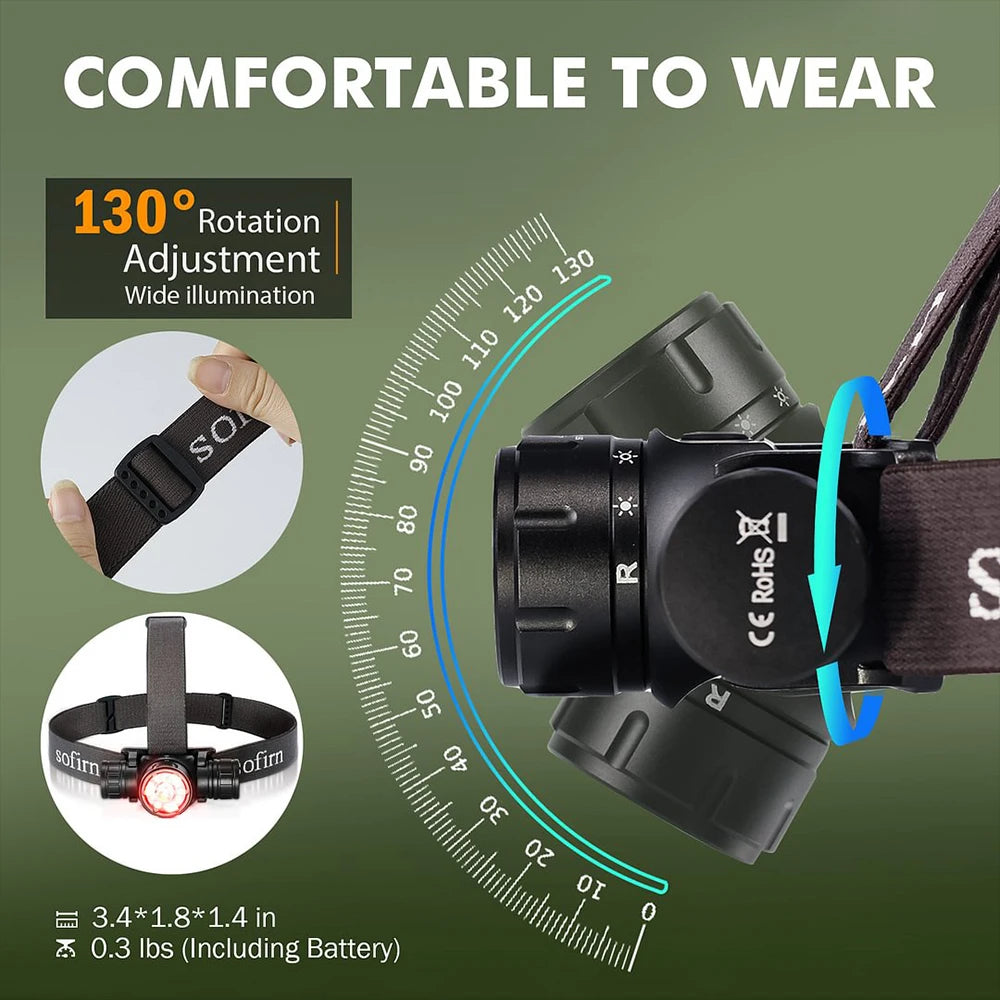
A rechargeable high lumen headlamp designed for outdoor travel can simplify long-distance hiking by reducing battery swaps, improving beam control, and supporting USB-C charging. Motion sensors, waterproof construction, and adjustable brightness modes help preserve runtime while maintaining visibility during demanding overnight conditions.
Many hikers prefer rechargeable models because they eliminate the need to carry multiple disposable batteries. A balanced beam pattern also reduces eye strain during technical terrain navigation.
Recommended Gear: Rechargeable LED Headlamp 2000LM Motion Sensor
👉 Get yours now before your next trip!
Reliable lighting matters when battery dies during overnight hiking becomes a real safety issue. Upgrade your nighttime setup before your next trail adventure.
Common Mistakes That Drain Batteries Fast
Even experienced hikers waste battery power without realizing it.
- Leaving motion mode activated accidentally
- Using maximum brightness around camp
- Ignoring cold-weather battery protection
- Charging with damaged cables
- Storing batteries while wet
- Using outdated rechargeable cells
One backpacking group reported doubling their lighting runtime simply by switching camp cooking tasks to lantern lighting while preserving headlamp usage for trail movement.
Organized campsites also reduce wasted battery time. Campers often combine lighting setups with Camping & Picnic, Camping Storage & Boxes, and Emergency Lighting for smoother nighttime routines.

💡 See it in action
Better Lighting Habits Mean Safer Adventures
Learning how to extend headlamp battery life is less about carrying endless spare batteries and more about smarter outdoor habits. Lower brightness settings, better cold-weather storage, reliable waterproof protection, and efficient charging routines can dramatically improve performance on long trips.
When every lumen matters, preparation makes all the difference. Combining dependable lighting with organized outdoor gear helps reduce stress, improve safety, and make overnight adventures more enjoyable.
FAQ
Why does my headlamp battery die so fast while hiking?
High brightness modes, freezing temperatures, and continuous use are the biggest reasons battery dies during overnight hiking. Using lower beam settings a
Pillar Article: How To Choose Rechargeable Headlamp For Any Adventure
Other Related Articles:
- Usb C Charging Outdoor Headlamp Guide For Beginners
- Best Headlamp For Hiking At Night Setup Tips
- How To Use Red Light Mode Without Hurting Night Vision
Explore More:





