

High Capacity Charger: What Makes It Truly Powerful
Does a high capacity charger really deliver better performance?
A high capacity charger provides longer-lasting power, faster charging speeds, and the ability to charge multiple devices reliably. Instead of just bigger numbers, it combines smart output, efficient battery design, and portability to ensure consistent performance—especially useful for travel, outdoor trips, and daily heavy device usage.
High Capacity Charger: What Makes It Truly Powerful
⏱ 12 min read
A high capacity charger isn’t just about bigger numbers—it’s about smarter power on demand. From understanding the mAh vs 20000mAh power bank difference to choosing a high capacity wireless charging power bank that actually fits your lifestyle, this guide breaks it down. Discover how to choose travel power bank capacity without falling into bulky power banks travel inconvenience traps, and uncover what truly delivers speed, efficiency, and reliability—are you making the wrong choice without realizing it?
Ever packed for a trip, only to worry your phone won’t last the day? Or worse—carried a bulky power bank that felt like a brick but still charged slowly?
What if the problem isn’t capacity—but choosing the wrong kind of power?
💡 See it in action
What Is a High Capacity Charger and Why Does It Matter?
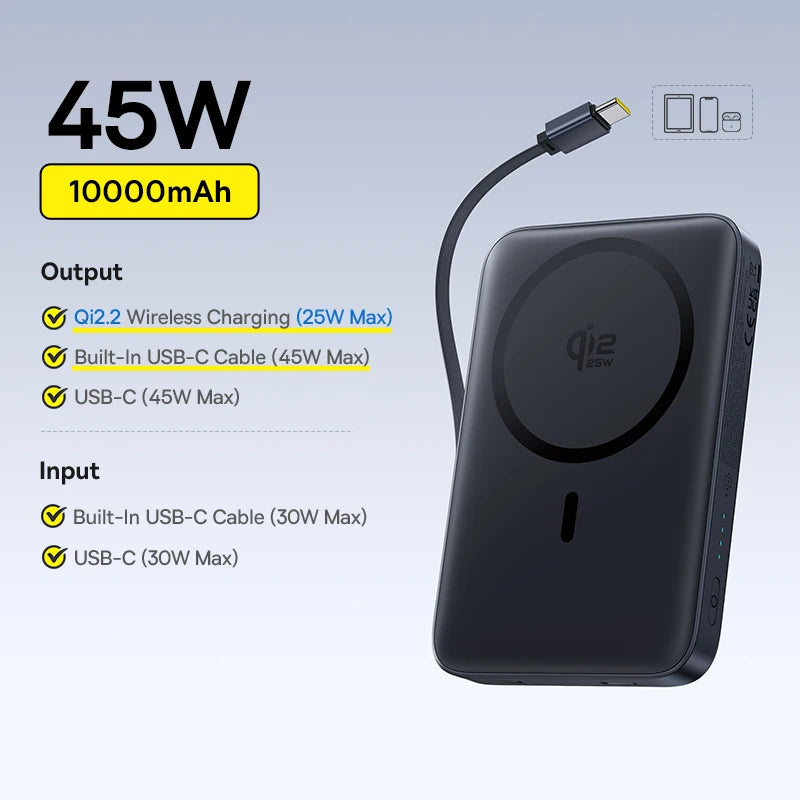
A high capacity charger typically refers to a power bank with enough stored energy to recharge devices multiple times while maintaining stable output. But real power isn’t just capacity—it’s efficiency, charging speed, and smart energy distribution.
Many users assume bigger equals better. That’s not always true.
- Higher mAh doesn’t guarantee faster charging
- Efficiency losses reduce real usable power
- Poor design leads to overheating and slow output
- Heavy builds reduce portability
The difference lies in how the charger delivers power—not just how much it stores.
For example, a well-designed high capacity wireless charging power bank can outperform a bulkier 20000mAh unit in real-world usage.
mAh vs 20000mAh Power Bank Difference Explained Simply
Understanding battery capacity helps avoid overpaying—or overpacking.
What Does mAh Actually Mean?
Milliampere-hour (mAh) measures how much energy a battery stores. But real output depends on conversion efficiency.
Key Differences
| Capacity | Typical Charges (Smartphone) | Weight | Best Use |
|---|---|---|---|
| 5000–10000mAh | 1–2 charges | Lightweight | Daily carry |
| 10000–15000mAh | 2–3 charges | Balanced | Travel & commuting |
| 20000mAh+ | 4–6 charges | Heavy | Extended trips |
The catch? A 20000mAh unit often comes with trade-offs:
- Heavier to carry
- Slower recharge time
- Less pocket-friendly
This is where smarter alternatives shine—especially for outdoor mobility.
Why Performance Matters More Than Raw Capacity
Real power isn’t about numbers—it’s about results.
- Fast output: Charge devices quickly when needed
- Stable voltage: Prevent battery damage
- Heat control: Maintain efficiency under load
- Smart distribution: Charge multiple devices safely
Imagine hiking all day using gear from Backpacking & Carry. You need reliable charging—not just a big battery.
Users consistently report better experiences with optimized 10000mAh models than oversized alternatives.
How High Capacity Wireless Charging Power Banks Simplify Your Life
Cables are one of the biggest travel frustrations.
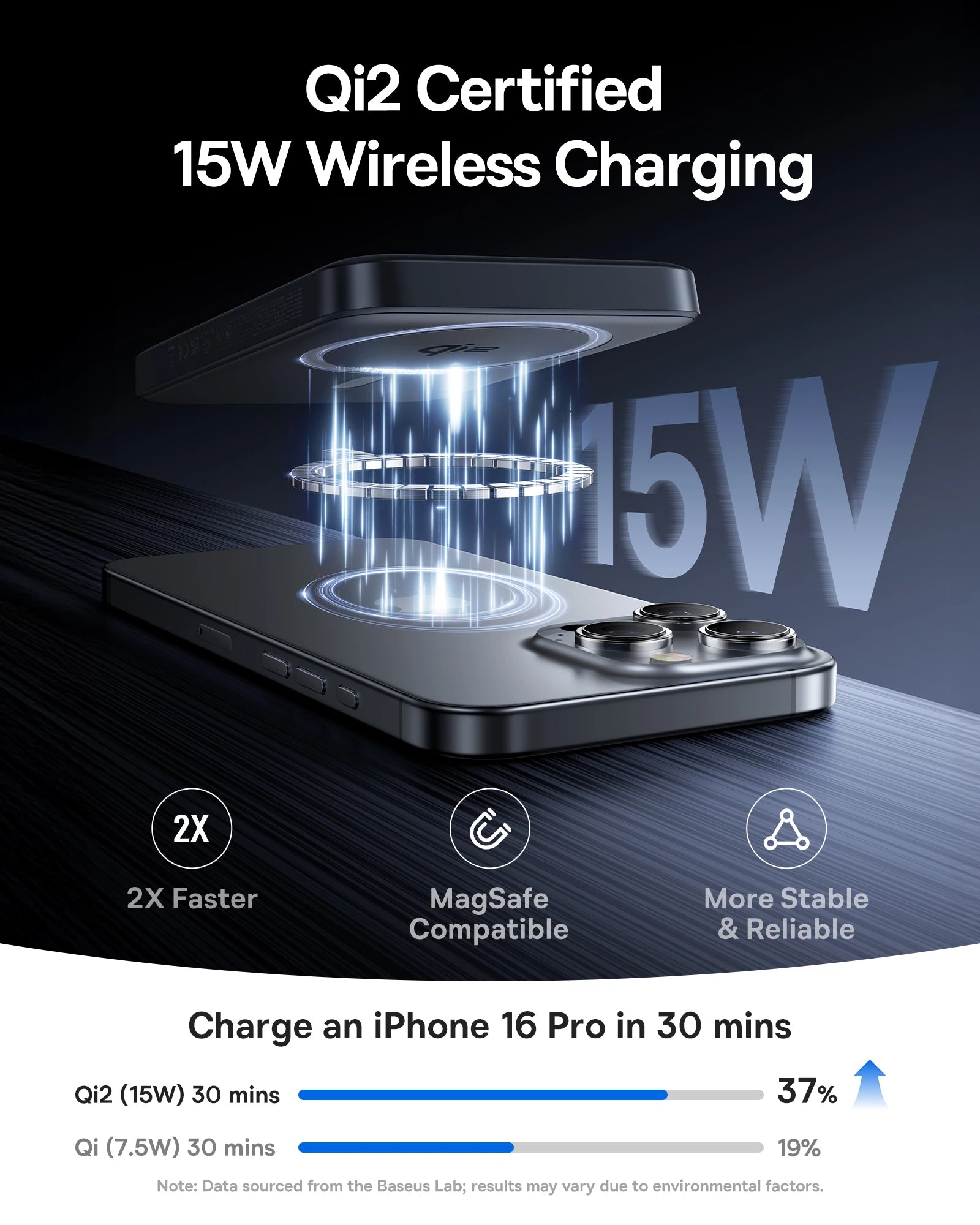
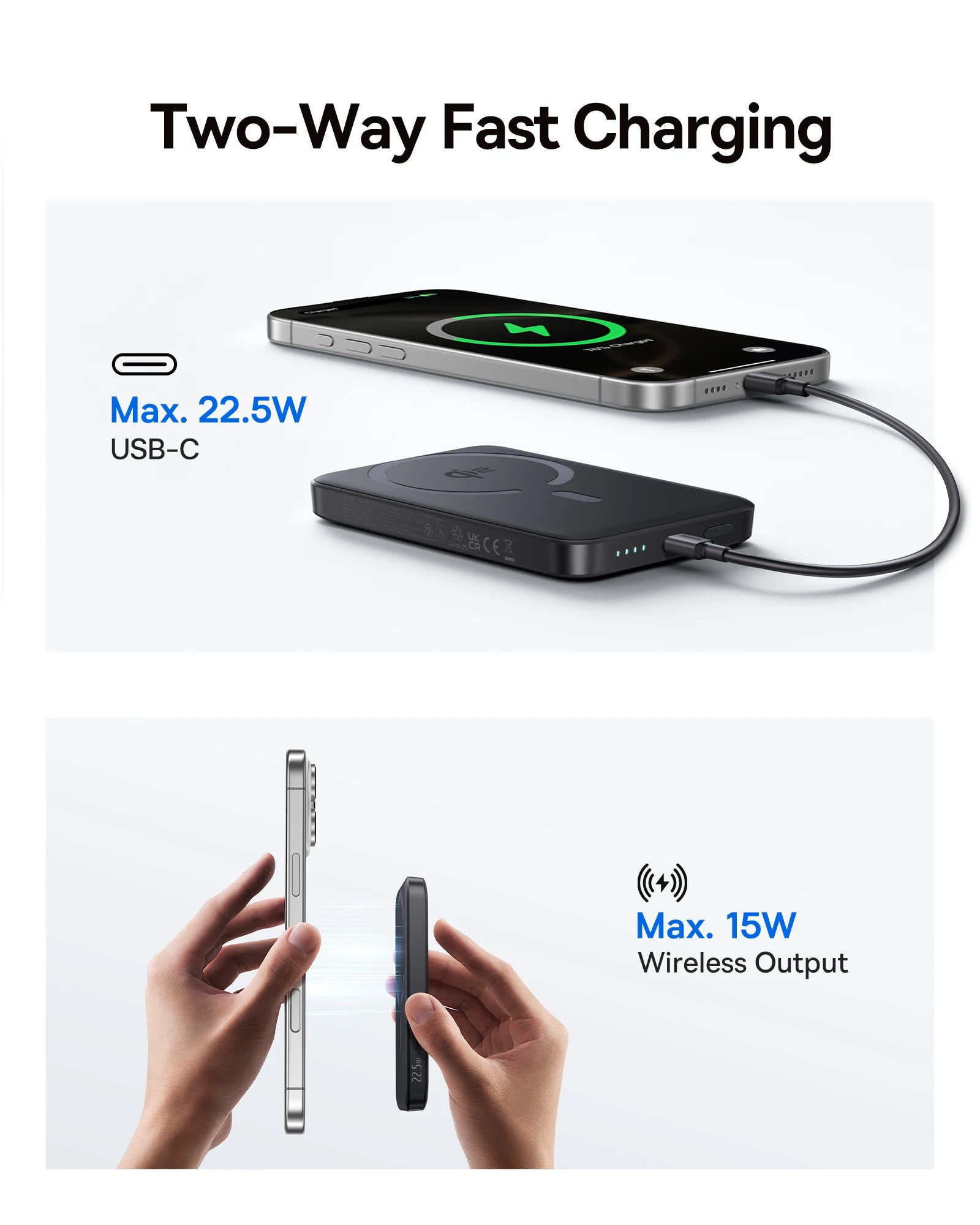
A high capacity wireless charging power bank eliminates that hassle while delivering efficient power.
Key Advantages
- No cables required
- Faster grab-and-go charging
- Cleaner packing setup
- Compatible with modern devices
For example, using a magnetic wireless power bank while navigating a campsite or road trip is far more convenient than dealing with tangled cords.
Pair it with lighting gear from Headlamps & Wearable Lights for seamless nighttime use.
How to Choose Travel Power Bank Capacity Without Regret
Choosing the right capacity depends on usage—not assumptions.
- Count how many devices you carry daily
- Estimate how many charges you need
- Consider travel duration
- Balance weight vs convenience
Smart Guidelines
- Weekend trips: 10000mAh is ideal
- Long travel: 15000–20000mAh
- Minimal carry: compact wireless charger
Travelers using gear from Travel, Car & Road Trip often prefer lighter options for flexibility.
The goal is simple: enough power without unnecessary bulk.
The Hidden Downsides of Bulky Power Banks Travel Inconvenience
Bigger batteries sound appealing—until you carry them all day.
- Added weight slows you down
- Takes up valuable packing space
- Long recharge times reduce usability
- Less comfortable for daily carry
Imagine combining a heavy power bank with gear from Lightweight Daypacks—it defeats the purpose of traveling light.
That’s why compact, high-efficiency chargers are becoming the preferred choice.
💡 See it in action
Real Outdoor and Travel Use Cases That Prove the Difference
Let’s look at how a high capacity charger performs in real situations.
Camping Trips
- Charge phones, lights, and GPS devices
- Works alongside Camping Lights & Lanterns
- Reliable for overnight use
Road Trips
- Keeps navigation running all day
- Charges multiple devices simultaneously
- Pairs with Car Organizers & Storage
Daily Urban Use
- Quick top-ups during commutes
- Lightweight enough for pockets
- No cable clutter
User feedback: Many travelers report switching from bulky 20000mAh units to compact wireless models improved convenience without sacrificing reliability.
High Capacity Charger vs Traditional Power Bank
| Feature | High Capacity Charger (Optimized) | Traditional Large Power Bank |
|---|---|---|
| Weight | Light to moderate | Heavy |
| Charging Speed | Fast | Moderate |
| Portability | High | Low |
| Convenience | Wireless + compact | Cable dependent |
| Efficiency | High | Variable |
The takeaway? Performance-focused chargers deliver better real-world value than oversized batteries.
Why the Right Charger Improves Every Trip
Whether you're hiking, commuting, or traveling, reliable power changes everything.
- No more battery anxiety
- Faster charging when it matters
- Less bulk in your bag
- More freedom to explore
Pair your charger with essentials from Camping & Picnic to create a fully optimized outdoor setup.
💡 See it in action
Frequently Asked Questions
What is considered a high capacity charger?
A high capacity charger typically ranges from 10000mAh to 20000mAh or more, but true performance depends on efficiency, output speed, and design—not just size.
Is a 20000mAh power bank always better?
Not necessarily. While it offers more stored power, it can be heavier and less convenient compared to optimized smaller chargers.
Are wireless power banks reliable?
Yes, modern high capacity wireless charging power banks provide stable, efficient charging with added convenience.
How do I choose the right power bank for travel?
Focus on balance—choose a capacity that meets your needs without adding unnecessary weight.
Why do some power banks feel slow?
Charging speed depends on output technology, not just capacity. Look for fast-charging support and efficient power delivery.
Related Articles:
- Portable Wireless Power Bank: Features That Change Travel
- Wireless Charging High Power: Key Benefits You Need
Pillar Articles:





