

Emergency Outdoor Lighting: How To Set Up Safe Camp Lighting
What Is Emergency Outdoor Lighting?
Emergency outdoor lighting is a portable lighting setup designed to keep campsites safe, visible, and functional during nighttime or unexpected situations. Emergency outdoor lighting provides reliable brightness when natural light is unavailable, helping campers prevent accidents, stay organized, and move confidently around tents, cooking areas, and pathways using lanterns, headlamps, and strategically placed light sources.
Question: Does emergency outdoor lighting really make camping safer?
Answer: Yes. emergency outdoor lighting significantly improves campsite safety by reducing trip hazards, improving visibility around tents and cooking zones, and helping families stay oriented at night. A well-planned lighting setup ensures even illumination, supports emergency readiness, and makes outdoor activities more comfortable, especially in unfamiliar or low-visibility environments.
Quick Safety Benefits Overview
- Improves visibility around tents and walking paths
- Reduces risk of trips, slips, and nighttime accidents
- Helps organize cooking and gear zones efficiently
- Supports emergency readiness during weather changes or power loss
Emergency Outdoor Lighting: How To Set Up Safe Camp Lighting
⏱ 8 min read
Ever struggled to move around your campsite after sunset, wondering where your gear went or tripping over ropes in the dark? Emergency outdoor lighting solves that exact problem by turning unpredictable night conditions into a safe, clearly visible environment for everyone.
From family camping trips to solo wilderness adventures, lighting mistakes can turn a relaxing night into a stressful experience. This guide shows you how to design a camping lighting setup for family safety, achieve the best way to light campsite evenly, and apply practical emergency lighting tips for outdoor camping so your nights stay calm, safe, and enjoyable.
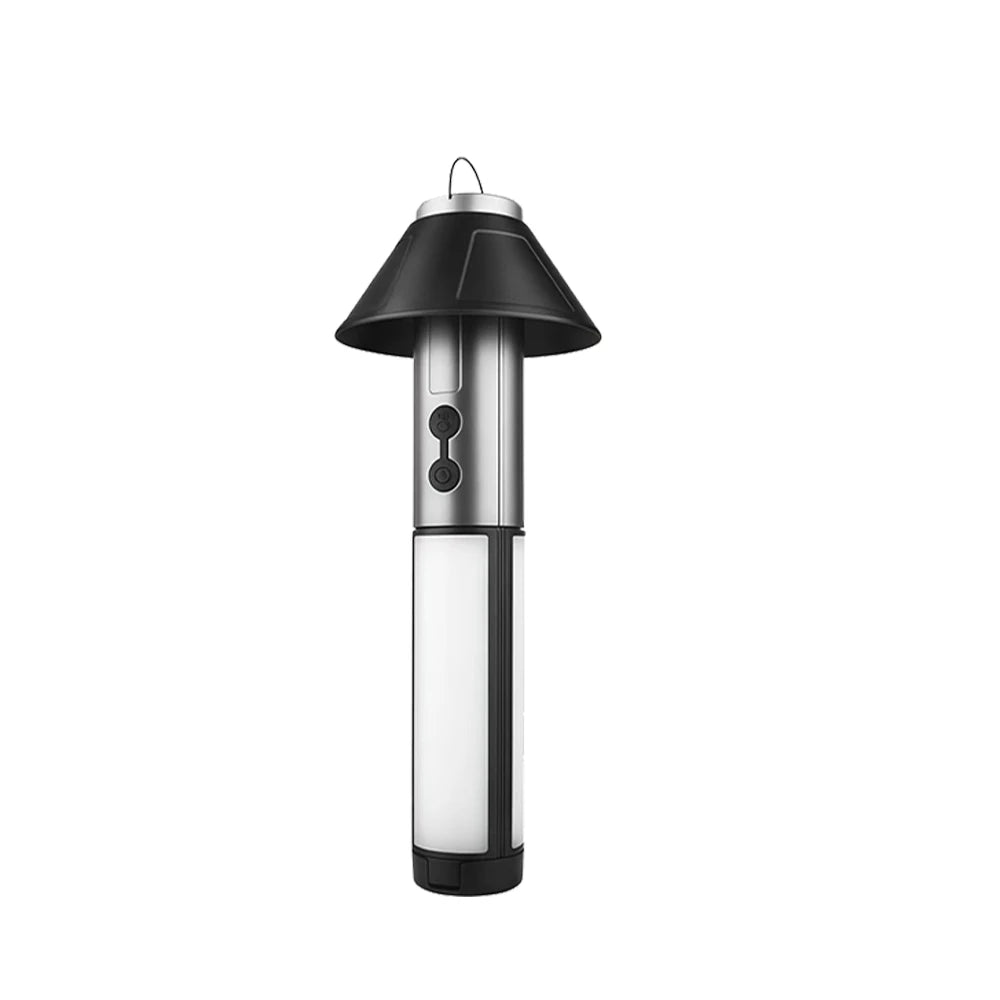
💡 See it in action
Why Campsite Lighting Matters for Family Safety
Camping at night introduces unfamiliar terrain, reduced visibility, and unpredictable movement patterns. Without proper lighting, even simple tasks like walking to a tent or grabbing water can become risky. Emergency outdoor lighting ensures your campsite remains structured, visible, and safe for all ages.
Families especially benefit because children often move unpredictably at night. A well-lit environment reduces panic, confusion, and accidents while improving overall comfort and confidence outdoors.
- Prevents nighttime falls and injuries
- Helps identify tent ropes and obstacles
- Improves group coordination after dark
- Creates a calm and controlled environment
Best Way To Light A Campsite Evenly
The best way to light a campsite evenly is to divide the area into zones and assign each zone a consistent light source. Instead of using one bright lantern, multiple smaller lights create balanced illumination, reduce shadows, and prevent glare.
| Zone | Lighting Type | Purpose |
|---|---|---|
| Sleeping Area | Soft lantern / low glow | Comfortable rest lighting |
| Cooking Area | Bright focused lantern | Safe food preparation |
| Pathways | Ground lights or clips | Safe movement at night |
| Common Area | Hanging lantern | Group visibility and activities |
Balancing brightness prevents dark corners while avoiding overexposure in one area. This is key for maintaining comfort and safety throughout the campsite.
Lighting Balance Tips
- Use multiple mid-power lights instead of one strong beam
- Hang lights at chest height for even spread
- Separate cooking and sleeping illumination zones
- Adjust brightness based on activity level
Step-by-Step Camping Lighting Setup
- Survey the campsite layout before setting up tents
- Identify cooking, sleeping, and walking zones
- Install a central hanging lantern in common area
- Add pathway lighting using clips or ground lights
- Place soft lights inside tents for comfort
- Test visibility from different angles
- Adjust brightness to remove dark patches
This structured approach ensures your emergency outdoor lighting is not random but intentionally designed for safety and comfort.
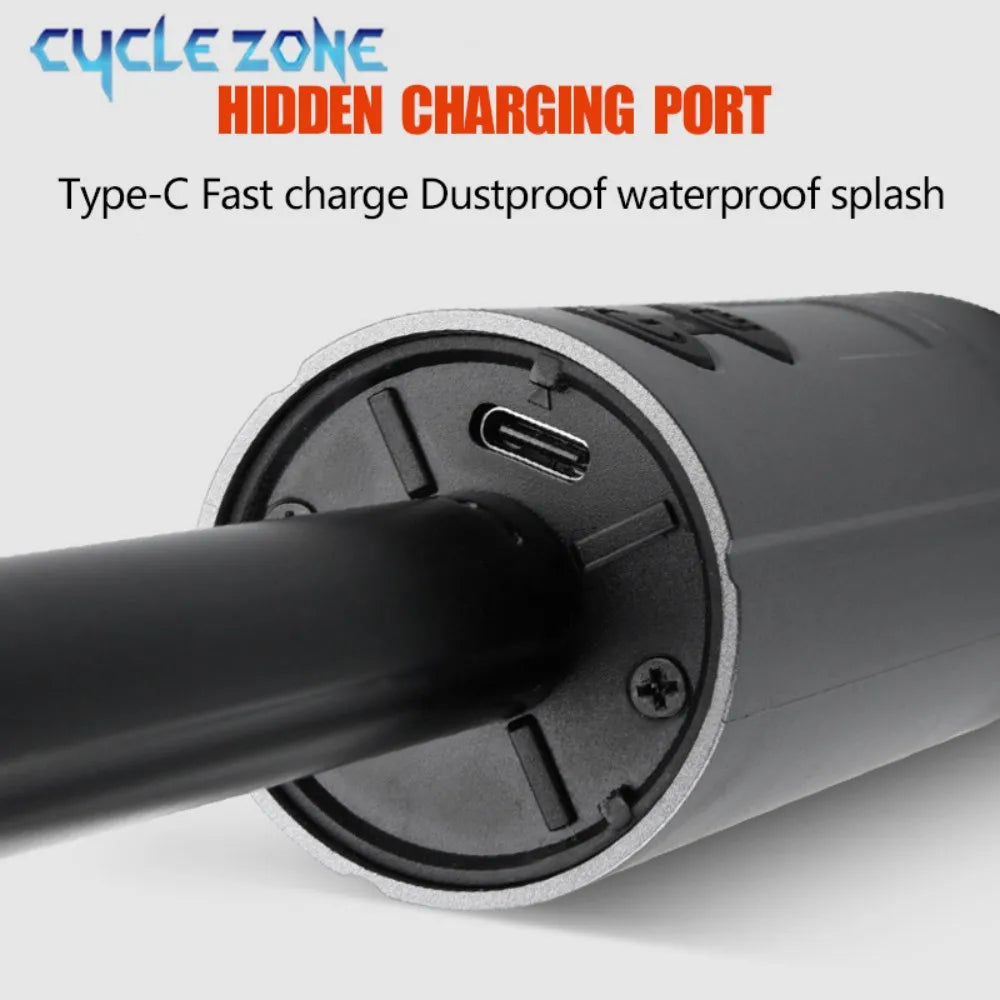
💡 See it in action
Essential Gear for Emergency Outdoor Lighting
Choosing the right gear makes a major difference in how reliable your campsite lighting setup becomes. Portable, rechargeable, and weather-resistant tools are ideal for unpredictable outdoor conditions.
Recommended essentials include lanterns, headlamps, and compact power solutions. A well-prepared setup ensures your lighting continues even during emergencies or battery failures.
- Rechargeable lanterns for central lighting
- Wearable headlamps for hands-free movement
- Portable power banks for backup charging
- Clips and hooks for flexible placement
Explore reliable lighting options in Camping Lights & Lanterns or upgrade your setup with Portable Power Banks for extended trips.
Lighting Placement Strategies
Placement determines whether your campsite feels chaotic or well-organized. Emergency outdoor lighting works best when distributed strategically rather than clustered in one area.
- Central light: Keeps group activities visible
- Edge lights: Define campsite boundaries
- Ground lights: Mark walking paths
- Overhead lights: Reduce shadows in shared areas
A layered approach ensures visibility from all angles, even in dense forest or uneven terrain.
Common Camping Lighting Mistakes
Many campers unintentionally reduce safety by misusing their lighting setup. Avoiding these mistakes can dramatically improve nighttime comfort and safety.
- Using only one bright light source
- Pointing lights directly into eyes
- Ignoring pathway lighting
- Not checking battery levels before nightfall
Small adjustments in setup can significantly improve visibility and reduce nighttime stress.
Weather & Emergency Scenarios
Weather changes can quickly affect visibility. Rain, wind, or fog can reduce light effectiveness, making emergency outdoor lighting even more important for preparedness.
In wet conditions, waterproof lanterns and elevated placement prevent failure. In windy environments, secure mounting prevents movement and uneven lighting.
- Use waterproof lights in rainy conditions
- Secure lanterns with hooks or straps
- Keep backup batteries accessible
- Maintain minimal but effective lighting during storms
Emergency Response Lighting Tips
In urgent situations, switch to high-focus lighting for movement and signaling. Keep at least one portable light per person for safety coordination.
Family & Kids Night Safety Tips
When camping with children, lighting should prioritize visibility and simplicity. Kids benefit from consistent light patterns that help them understand safe zones.
- Create clearly lit “safe zones” near tents
- Assign wearable lights for kids
- Use color-coded lighting if possible
- Keep pathways fully visible at all times
Explore family-friendly setups in Family, Kids & Group to make group camping safer and more organized.
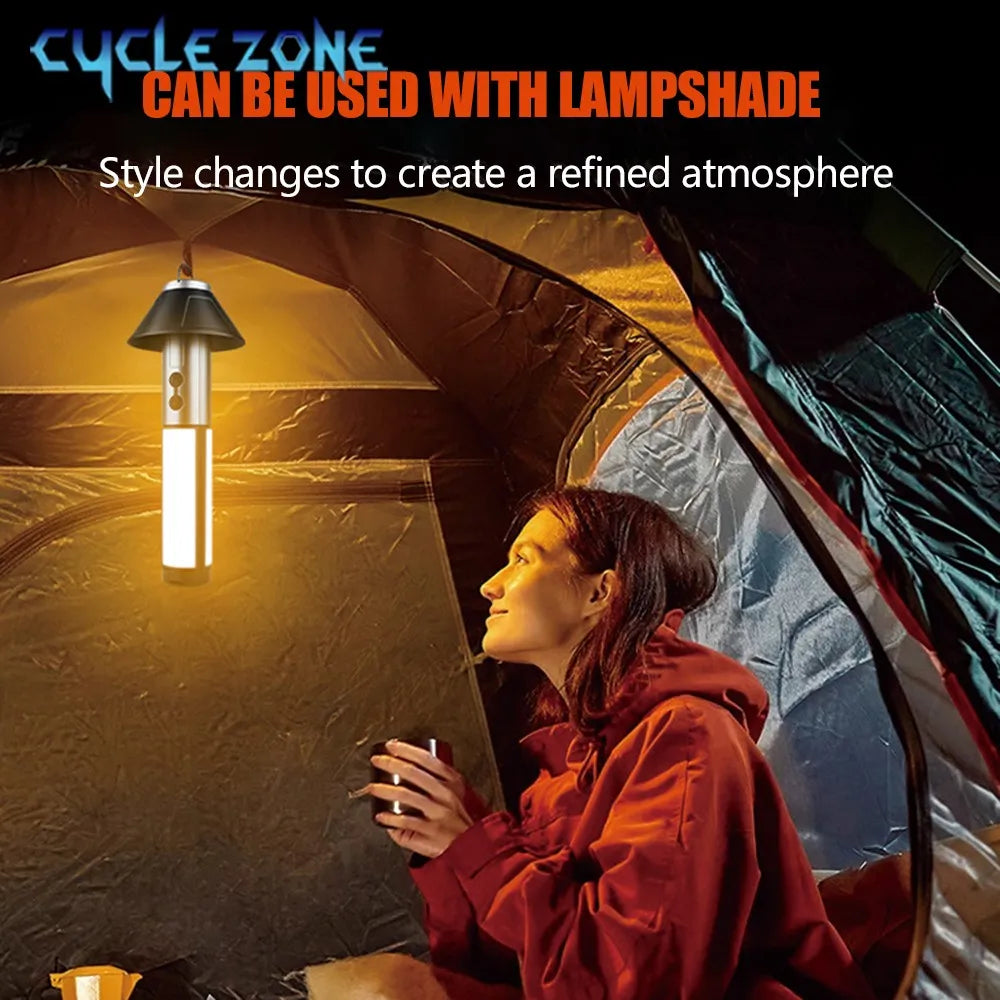
💡 See it in action
Lighting Setup Checklist
| Task | Status Check |
|---|---|
| Central lantern installed | ☐ |
| Pathway lighting placed | ☐ |
| Cooking area illuminated | ☐ |
| Tent lighting adjusted | ☐ |
| Backup power prepared | ☐ |
FAQ: Emergency Outdoor Lighting
What is the safest lighting setup for camping?
A layered lighting setup using lanterns, headlamps, and pathway lights ensures balanced visibility and reduces accidents in all campsite zones.
How many lights do I need for a campsite?
Most family campsites require at least three to five lights depending on size, covering sleeping, cooking, and walking areas evenly.
Can solar lights be used for camping?
Yes, solar lights are effective for extended trips when combined with backup power sources for cloudy or low-light conditions.
What is the best way to avoid glare at night?
Position lights at angled heights and avoid direct eye-level beams to maintain comfort and visibility without harsh brightness.
How do I prepare lighting for emergencies?
Always carry backup batteries, portable lanterns, and at least one wearable light per person for quick response and mobility.
How can families improve nighttime camping safety?
Clear lighting zones, consistent pathway illumination, and wearable lights for kids help families move safely and confidently at night.
Which products help most with emergency outdoor lighting?
Rechargeable lanterns, headlamps, portable power banks, and hook-mounted lights are the most effective tools for reliable campsite lighting setups.
Related Articles:
- How To Light Camping Tents Safely: Beginner Step-By-Step Guide
- Rechargeable Light For Camping: How To Charge And Use Safely
- Camping Portable Light: Step-By-Step Campsite Setup Guide
- Usb Camping Light: How To Use It For Hands-Free Camping
Pillar Articles:





