

Devices Dying During Outdoor Travel: How To Stay Powered
Devices Dying During Outdoor Travel: How To Stay Powered
⏱ 9 min read
Does devices dying during outdoor travel really matter?
Devices dying during outdoor travel can quickly turn a safe adventure into a stressful situation. From losing GPS navigation to missing emergency communication, dead batteries create major problems during camping trips and road travel. Smart charging habits, compact backup power, and reliable outdoor charging gear help travelers stay connected without carrying heavy equipment.
Devices dying during outdoor travel is one of the fastest ways to ruin a camping trip, hiking adventure, or long road journey. One minute you’re tracking your trail, checking weather alerts, or capturing sunset photos. The next minute your phone dies while camping trips leave you disconnected in unfamiliar terrain. If you’ve ever faced no charging access on road, this guide will help you stay prepared with smarter charging habits, practical outdoor power solutions, and lightweight backup strategies that actually work.
What gear actually makes camping easier when you have no charging access on road?
For most travelers, the answer is not carrying more gear. It’s carrying smarter gear.
👉 Discover must-have camping gear before your next adventure.
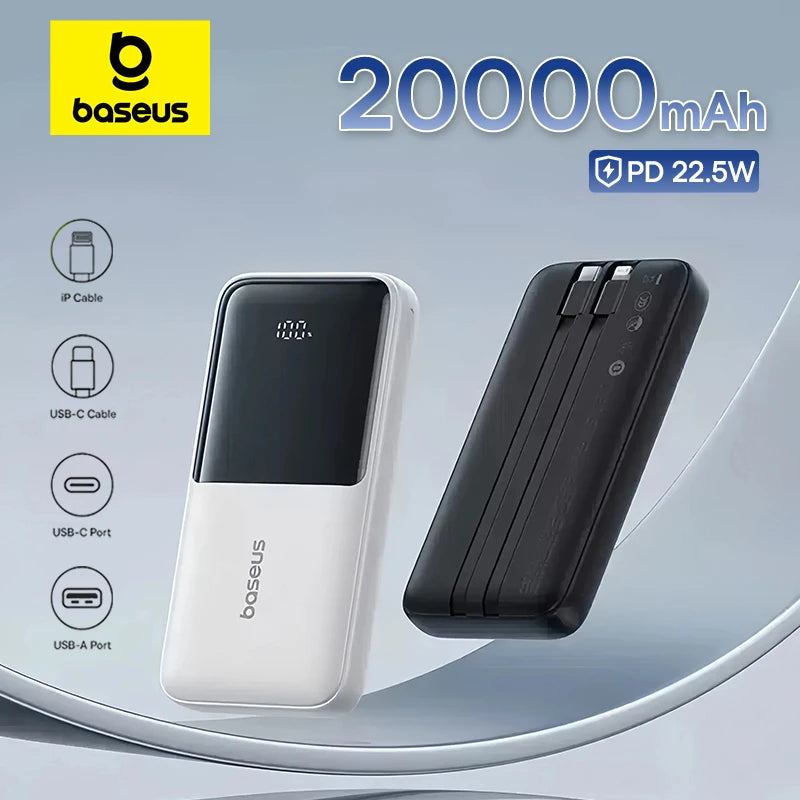
Lighting & Power and Portable Power Banks help keep phones, GPS devices, lanterns, and emergency tools running longer outdoors.
💡 See it in action
Why Batteries Drain Faster Outdoors
Devices dying during outdoor travel often happens faster than expected because outdoor conditions are far tougher on batteries than daily city life.
Cold weather, poor signal strength, constant GPS tracking, flashlight use, and camera recording all drain batteries aggressively. Even searching for weak cellular signals can consume power rapidly.
Outdoor Conditions That Kill Battery Life Fast
- Cold temperatures below 50°F
- Constant map and GPS usage
- Video recording and photography
- Bluetooth accessories staying connected
- Weak signal searching in remote areas
- Background apps refreshing constantly
| Outdoor Activity | Battery Drain Level | Risk During Travel |
|---|---|---|
| GPS Navigation | High | Losing trail guidance |
| Night Photography | Very High | Fast battery depletion |
| Streaming Music | Moderate | Reduced backup power |
| Emergency Flashlight Use | High | Safety concerns at night |
Many campers assume airplane mode solves everything. It helps, but it doesn’t stop power-hungry apps or screen brightness from draining your device.
That’s why experienced travelers combine battery-saving habits with dependable backup gear from Solar Lights & Chargers and Travel, Car & Road Trip collections.
How a Simple Power Plan Prevents Dead Devices
Devices dying during outdoor travel becomes far less common when travelers follow a layered power strategy. Instead of relying on one charging method, experienced campers combine portable batteries, solar charging, and energy-saving habits to maintain reliable power throughout the trip.
A good outdoor power plan starts before leaving home.
Step 1: Fully Charge Everything Before Departure
- Charge phones, smartwatches, lanterns, and GPS units overnight
- Test all charging cables before packing
- Download offline maps and playlists
- Enable battery-saving settings in advance
Step 2: Organize Charging Gear Efficiently
Messy cables waste time and increase stress during travel.
Using Gear Organizers & Pouches helps travelers separate charging cords, adapters, batteries, and lighting accessories in one easy-access setup.
Step 3: Carry Dedicated Backup Power
A reliable high-capacity battery pack changes everything when your phone dies while camping trips become longer than expected.
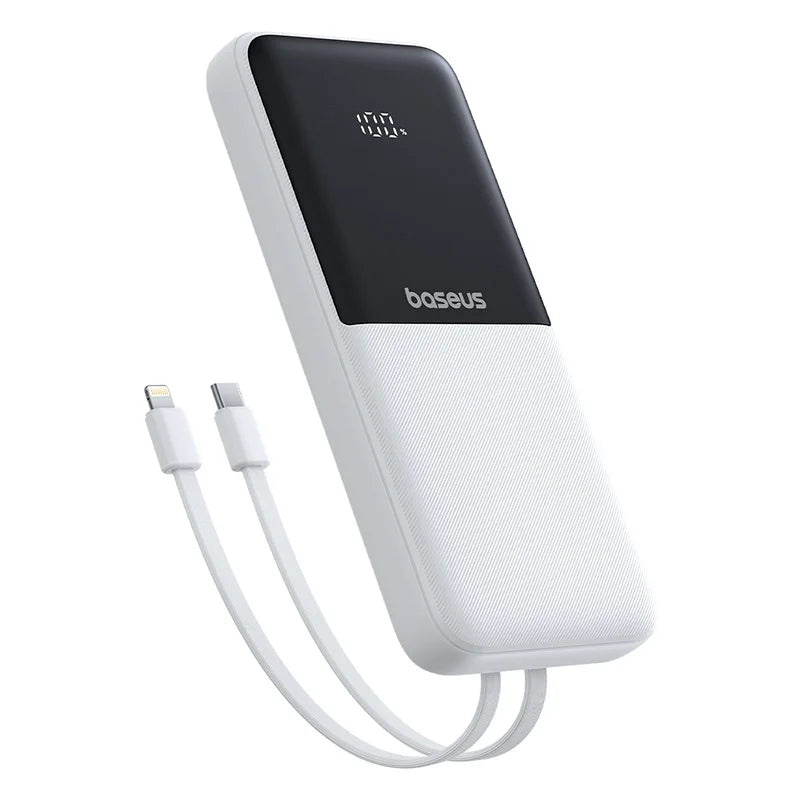
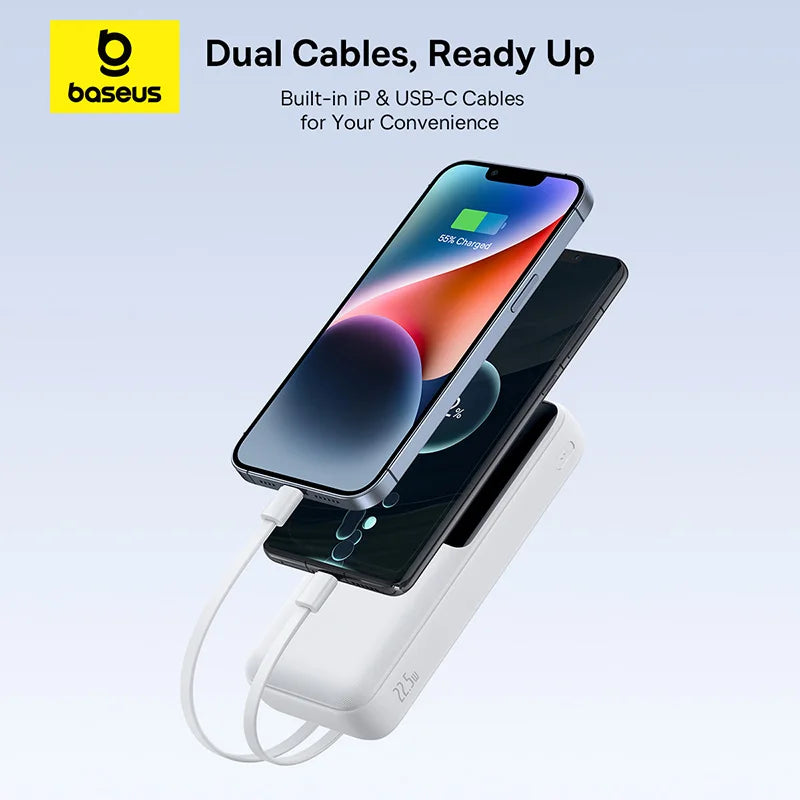
This 20000mAh fast charging power bank helps travelers recharge phones, cameras, portable lights, and tablets multiple times without searching for outlets.
It’s especially useful for:
- Road trips with limited charging stops
- Remote campsites
- National park travel
- Multi-device family camping
- Emergency weather situations
👉 Learn how to choose the right hiking gear before your next outdoor trip.
Pair backup charging equipment with Lightweight Daypacks, Waterproof & Dry Bags, and Car Camping Accessories for a more organized travel setup.
Best Ways Charge Multiple Devices Camping Without Stress
Modern travelers rarely carry only one device. Phones, lanterns, cameras, tablets, and smartwatches all compete for limited battery power outdoors.
The best ways charge multiple devices camping involve reducing unnecessary charging cycles while prioritizing critical equipment first.
💡 See it in action
Prioritize Devices By Importance
| Priority Level | Devices | Reason |
|---|---|---|
| Essential | Phone, GPS, emergency lights | Safety and navigation |
| Useful | Camera, smartwatch | Convenience and memories |
| Optional | Speaker, gaming devices | Entertainment only |
Use Multi-Purpose Gear
Outdoor travelers save weight by choosing gear with multiple functions.
- Lamps with USB charging outputs
- Power banks with built-in cables
- Solar chargers combined with lights
- Car chargers for road travel
Collections like Tent & Camping Lanterns and Emergency Lighting offer practical solutions that reduce the number of separate accessories needed.
Keep Devices Warm At Night
Cold batteries lose efficiency rapidly.
Experienced hikers often store phones inside sleeping bags or jacket pockets overnight. Pairing electronics with gear from Blankets & Sleeping Comfort and Wind & Cold Protection helps preserve battery performance in colder climates.
The Common Mistakes That Drain Power Twice As Fast
One simple mistake causes devices dying during outdoor travel faster than most people realize: leaving apps running in the background while searching for weak signals.
This combination forces devices to work overtime continuously.
Battery Draining Habits To Avoid
- Maximum screen brightness all day
- Leaving Bluetooth enabled unnecessarily
- Streaming instead of downloading offline content
- Using live weather widgets constantly
- Ignoring low power mode
- Keeping dozens of apps active
Travelers dealing with no charging access on road should also avoid charging devices repeatedly from nearly full battery levels. Short unnecessary charging sessions waste backup capacity.
Smarter Outdoor Charging Habits
- Charge devices only when below 30%
- Use airplane mode in remote areas
- Reduce screen brightness manually
- Carry shorter charging cables to reduce clutter
- Rotate device charging based on priority
Many outdoor travelers now combine Camping Storage & Boxes with compact power systems to keep electronics protected, organized, and easy to access during long trips.
Solar Chargers vs Power Banks for Outdoor Travel
Travelers often ask whether solar charging or battery banks work better outdoors.
The truth is both work best together.
| Feature | Solar Chargers | Power Banks |
|---|---|---|
| Best For | Long outdoor trips | Fast reliable charging |
| Weather Dependency | High | None |
| Weight | Lightweight | Moderate |
| Charging Speed | Slower | Faster |
| Night Use | Limited | Excellent |
For weekend campers, portable batteries are usually enough.
For extended hiking or overlanding adventures, combining a power bank with Solar Lights & Chargers creates a more sustainable long-term charging setup.
Many travelers also store backup charging equipment inside Waterproof & Dry Bags to protect sensitive electronics from rain, river crossings, and humidity.
Outdoor Device Power Checklist
Staying powered during outdoor adventures guide recommendations become easier when travelers use a simple checklist before departure.
Essential Power Gear Checklist
- High-capacity power bank
- Short backup charging cables
- USB headlamp or lantern
- Waterproof cable pouch
- Portable solar panel
- Vehicle charger adapter
- Offline maps downloaded
- Battery-saving mode enabled
Campers traveling with families often combine charging systems with gear from Family Outdoor Bundles and Group Picnic Accessories to keep everyone organized.
Real Traveler Experiences With Backup Power
Outdoor travelers consistently mention how backup charging changes the entire trip experience.
“Our phones nearly died during a mountain road trip before sunset. Having a backup battery meant we still had maps, emergency contacts, and flashlight access after dark.” — Colorado camper
“I used to overpack charging gear. Switching to one reliable power bank and solar setup made hiking easier and lighter.” — Pacific Northwest backpacker
“During heavy rain, our charging equipment stayed protected inside waterproof bags while everything else got soaked.” — Family road traveler
Stories like these explain why more campers now prioritize practical power setups alongside essentials from Safety, Survival & Emergency and Emergency Road Kits.
👉 Get yours now before your next trip!
Upgrade your outdoor charging setup with a reliable 20000mAh fast charging power bank designed for travel, camping, hiking, and emergency backup power.
How Staying Powered Improves Outdoor Safety
Devices dying during outdoor travel is not just inconvenient. It can become dangerous.
Dead phones mean lost navigation, reduced communication, and limited emergency visibility after dark. Reliable power gives travelers peace of mind during storms, road delays, unexpected detours, or overnight emergencies.
💡 See it in action
Outdoor travelers who prepare properly usually enjoy:
- Safer navigation in remote areas
- Better emergency communication
- Longer photography sessions
- More reliable weather tracking
- Reduced travel stress
Pairing charging equipment with Headlamps & Wearable Lights, Fire Starters & Ignition, and First Aid Kits creates a stronger emergency-ready setup for outdoor travel.
FAQ
Why do phones die faster while camping?
Phones drain faster outdoors because GPS tracking, weak cellular signals, cold weather, and camera use all consume extra power. Remote locations force devices to constantly search for network connections, which increases battery usage dramatically.
What is the best backup power option for camping trips?
A high-capacity power bank combined with compact solar charging equipment offers the best balance of reliability, portability, and convenience for outdoor adventures and road trips.
How can I charge multiple devices while camping?
Use a large-capacity battery bank with multiple outputs, prioritize essential devices first, and reduce unnecessary battery drain through offline maps, low brightness settings, and airplane mode when possible.
Are solar chargers reliable for outdoor travel?
Solar chargers work well during extended trips with strong sunlight, especially when paired with backup battery storage. They are most effective for maintaining power rather than fast charging devices quickly.
What should I pack to avoid no charging access on road problems?
Carry a portable power bank, charging cables, vehicle adapter, solar charger, waterproof storage pouch, and offline maps to stay prepared during remote outdoor travel.
Pillar Article: Best Multi Device Charging Power Banks For Families And Travelers
Other Related Articles:
Explore More:





