

Camping Portable Lights: How To Choose & Set Up Easily
Portable Lights For Camping: How To Light Camps Efficiently
⏱ 9 min read
Do portable lights for camping improve safety and campsite visibility?
Portable lights for camping improve nighttime safety by reducing trip hazards, improving visibility around tents, and helping campers manage cooking, navigation, and emergencies after dark. Modern rechargeable lighting systems also last longer, recharge faster, and provide dependable illumination during no power source camping emergency situations.
Camping after sunset can quickly become frustrating when weak lanterns, dead batteries, or poor campsite setup leave you struggling in complete darkness. Whether you are backpacking, car camping, or preparing for unpredictable weather, choosing the right portable lighting system helps create a safer, more comfortable outdoor experience. This guide explains how to build an efficient campsite lighting setup, avoid common lighting mistakes, and choose rechargeable options that work reliably for long trips.
Have you ever tried cooking dinner or finding gear in total darkness after your flashlight battery suddenly died?
Reliable lighting changes everything. With modern Camping Lights & Lanterns, campers can reduce stress, improve visibility, and make campsites more comfortable for everyone in the group.
Explore practical lighting setups and backup power solutions before your next outdoor adventure.
View the rechargeable camping lantern
💡 See it in action
Why Smart Camp Lighting Makes Outdoor Trips Safer
Portable lights for camping help campers avoid injuries, stay organized, and maintain visibility during changing weather or nighttime emergencies. A balanced lighting setup usually combines lanterns, headlamps, and rechargeable backup power to improve campsite safety and efficiency without adding excessive weight.
Many campers underestimate how difficult basic tasks become after sunset. Uneven terrain, exposed roots, and scattered gear create hazards that become difficult to spot with weak lighting.
Good lighting also improves group comfort. Families can cook, organize sleeping gear, and relax without draining disposable batteries every night.
- Improves visibility around tents and pathways
- Reduces risk of trips and falls
- Makes cooking safer after dark
- Supports emergency preparedness
- Helps preserve battery life through efficient lighting zones
Campers often pair lighting systems with Portable Power Banks and Solar Lights & Chargers to maintain consistent charging during longer outdoor trips.
Best Portable Lights For Camping By Use Case
Rechargeable Lanterns For Basecamp Lighting
A led lantern rechargeable setup works best for shared campsites, picnic tables, and tent interiors. Lanterns spread light evenly and reduce harsh glare compared to narrow flashlights.
For group camping, larger rechargeable lanterns with adjustable brightness settings help balance visibility and battery conservation.
| Lighting Type | Best Use | Main Advantage |
|---|---|---|
| Rechargeable Lantern | Basecamp lighting | Wide-area illumination |
| Headlamp | Night hiking | Hands-free visibility |
| Compact LED Light | Tent interiors | Lightweight portability |
| Solar Lantern | Long trips | Off-grid charging |
Headlamps For Hands-Free Movement
Hands-free lighting becomes essential when setting tents, preparing food, or walking trails after sunset. Many experienced campers combine headlamps with stationary lanterns to create layered lighting coverage.
Reliable options from Headlamps & Wearable Lights are especially useful during rain or cold weather when mobility matters most.
Solar Rechargeable Lights For Extended Camping
Solar-powered lighting systems help reduce dependency on disposable batteries. This is especially important during multi-day trips where charging access may be limited.
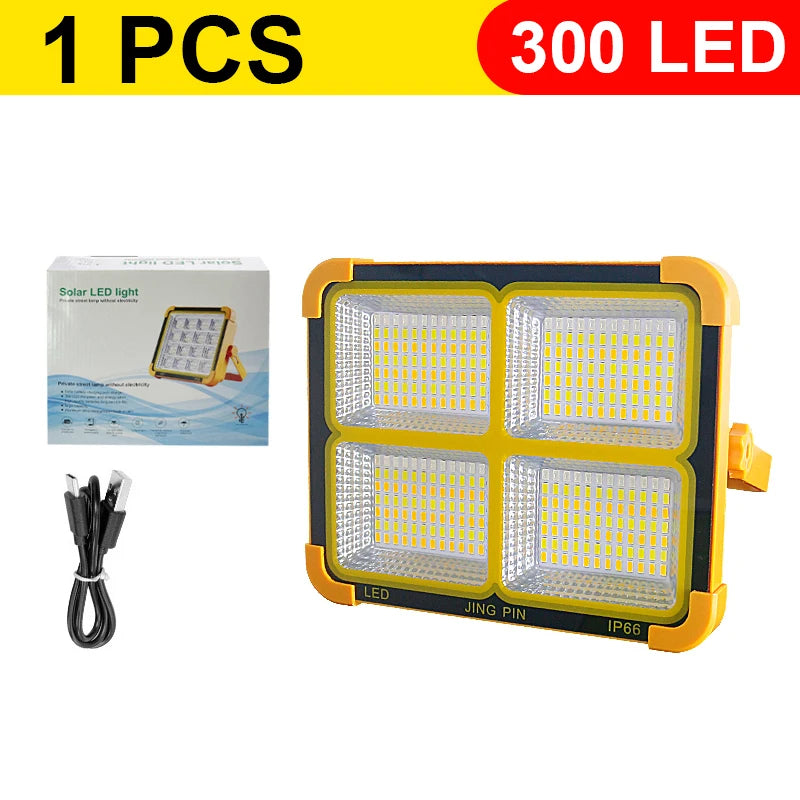
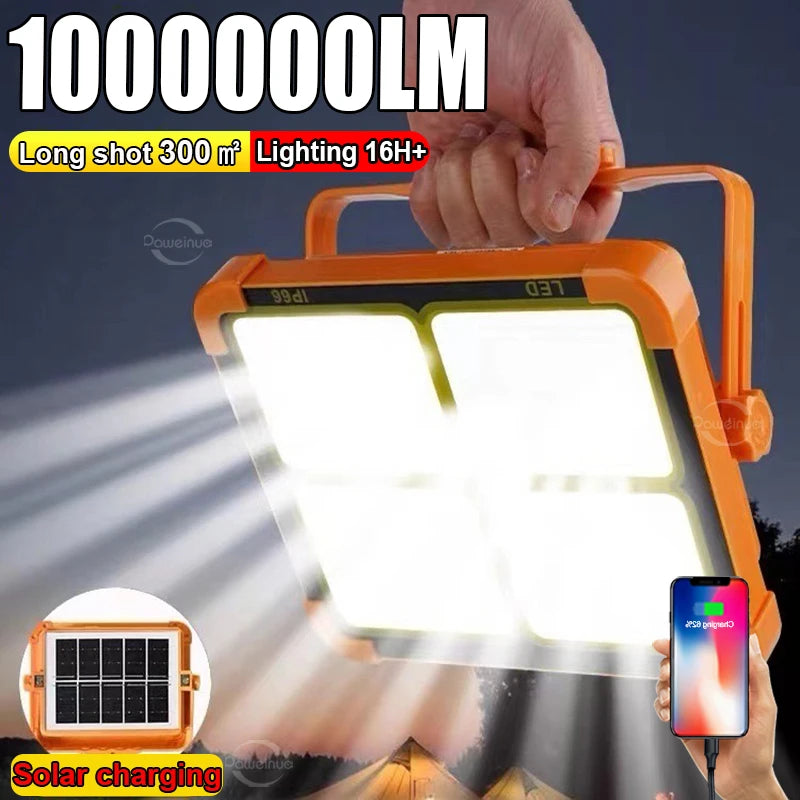
The 20000mAh Solar Rechargeable Camping Lantern combines large battery capacity with versatile lighting modes, making it useful for both emergencies and everyday campsite use.
How To Set Up Camp Lighting Efficiently
One of the best ways to light campsite safely is by dividing your campsite into functional lighting zones instead of relying on a single lantern.
- Place a lantern near the cooking area. This improves visibility while handling stoves and cookware.
- Use soft lighting inside tents. Lower brightness reduces eye strain and preserves battery life.
- Keep headlamps accessible. Store them near sleeping bags for quick nighttime access.
- Create a safe walking path. Small LED markers or hanging lights help campers move safely after dark.
- Protect backup power sources. Keep charging devices dry using Waterproof & Dry Bags.
Many experienced campers also organize lighting gear using Gear Organizers & Pouches to prevent lost batteries and tangled charging cables.
Build a reliable outdoor setup with rechargeable lighting, backup charging, and weather-resistant storage.
See how this lantern handles extended trips
Tips For Long Lasting Camp Lighting
Battery management is one of the most overlooked parts of efficient camping. Even powerful lighting systems fail quickly when brightness settings are used incorrectly.
- Use low brightness modes whenever possible
- Recharge devices during daylight with solar panels
- Turn off unused lights immediately
- Carry backup USB charging cables
- Store batteries away from extreme cold
- Use focused task lighting instead of maximum floodlight constantly
Campers preparing for no power source camping emergency situations often carry extra charging support from Lighting & Power collections to avoid losing visibility overnight.
💡 See it in action
Camping In Complete Darkness Safety Tips
Camping in complete darkness safety starts with preparation before sunset. Once visibility disappears, simple mistakes become much harder to correct.
Outdoor travelers frequently report that lighting failures become most stressful during bad weather, unexpected wildlife activity, or emergency bathroom trips at night.
Prepare Essential Areas Before Nightfall
- Locate first aid supplies early
- Identify safe walking paths
- Secure loose gear around tents
- Charge all lights before bedtime
- Store emergency lighting within arm’s reach
Many campers improve preparedness by combining lantern systems with Emergency Lighting and First Aid Kits.
Use Layered Lighting Instead Of One Bright Source
One extremely bright lantern often creates deep shadows around campsites. Smaller distributed lights improve depth perception and reduce glare.
For example:
- A lantern near the table
- A tent light inside sleeping areas
- Headlamps for movement
- Backup emergency flashlight in storage
Why Rechargeable Lanterns Simplify Camping
Modern led camping light rechargeable systems solve several common camping frustrations at once. Instead of carrying large amounts of disposable batteries, campers can recharge devices through USB, solar panels, or portable power stations.
Travelers also appreciate the reduced gear weight and lower long-term cost.
Popular benefits include:
- Long runtime for multi-day trips
- Lower waste compared to disposable batteries
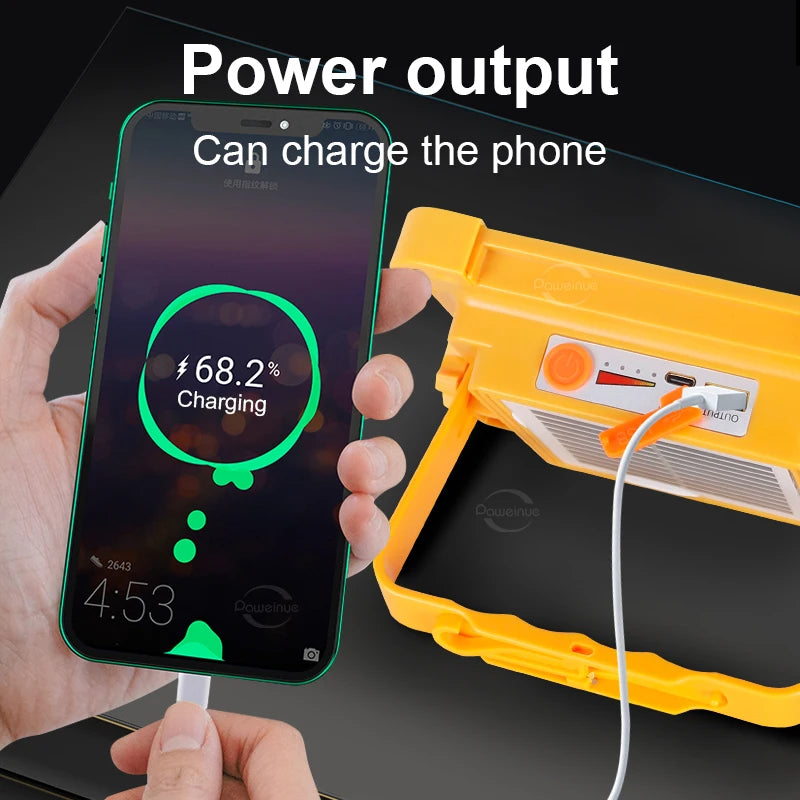
- USB charging compatibility
- Emergency backup charging for phones
- Adjustable brightness modes
- Weather-resistant durability
Many outdoor users combine rechargeable lanterns with Car Camping Accessories and Camping Storage & Boxes for easier organization during road trips.
"We switched to rechargeable camp lights during a three-night mountain trip and never went back. The battery lasted the entire weekend, and the softer lighting made our campsite feel much more comfortable." — Colorado camper review
Portable Camp Light Comparison Table
| Feature | Basic Flashlight | Rechargeable Lantern | Solar Camp Light |
|---|---|---|---|
| Area Coverage | Low | High | High |
| Battery Efficiency | Moderate | High | Very High |
| Hands-Free Use | No | Limited | Limited |
| Emergency Charging | No | Some models | Often included |
| Best For | Short trips | Group camping | Extended camping |
Campers planning long outdoor adventures often pair lighting gear with Ground Sheets & Tarps, Camping Tents & Shelter, and Sleeping Bags & Sleeping Pads for improved overnight comfort.
Common Camp Lighting Mistakes To Avoid
Bringing Only One Light Source
Single-light setups fail quickly when batteries drain unexpectedly. Always pack at least one backup option.
Using Maximum Brightness Constantly
High brightness modes drain power rapidly and often create unnecessary glare around campsites.
Ignoring Weather Protection
Rain and condensation can damage charging ports or battery packs. Protective storage matters during unpredictable weather.
Helpful accessories from Weather Protection & Environment and Rain Ponchos & Capes help protect both campers and sensitive gear.
💡 See it in action
Light Your Campsite Smarter And Stay Ready Outdoors
Reliable portable lights for camping make outdoor travel safer, easier, and far more comfortable. Whether you are preparing for weekend car camping, emergency preparedness, or long-distance adventures, rechargeable lighting systems provide dependable visibility while reducing unnecessary gear weight and battery waste.
The right lighting setup is not just about brightness. It is about efficiency, safety, organization, and confidence after sunset.
Avoid weak flashlights and unreliable batteries with a dependable rechargeable lantern built for outdoor use.
Shop the Solar Rechargeable Camping Lantern
FAQ
What are the best portable lights for camping?
The best portable lights for camping usually combine rechargeable batteries, adjustable brightness modes, and weather-resistant durability. Lanterns work best for campsites, while headlamps improve mobility during nighttime activities.
How do I prepare for a no power source camping emergency?
Carry rechargeable lanterns, backup USB power banks, solar charging support, and emergency flashlights. Efficient battery management and layered lighting systems improve reliability during extended trips.
How long do rechargeable camping lanterns last?
Runtime depends on brightness settings and battery size. Larger rechargeable lanterns can often last several nights when used on low or medium brightness modes.
What is the safest way to light a campsite?
The best ways to light campsite safely include using multiple low-glare light sources, creating clear walking paths, and keeping emergency lighting accessible inside tents.
Are solar camping lanterns worth it?
Solar lanterns are especially useful for multi-day camping because they reduce reliance on disposable batteries and allow charging during daylight hours.
Pillar Article: Outdoor Rechargeable Lantern: How To Set Up & Use At Campsite
Other Related Articles:
- Lanterns For Power Outages: How To Stay Safe During Blackouts
- Portable Lights For Camping: How To Light Camps Efficiently
- Usb Camping Light: How To Charge & Max Brightness Tips
Explore More:





