

Reusable Travel Cups: Collapsible Silicone vs Steel (2026 Guide)
Reusable Travel Cups: Collapsible Silicone vs Steel (2026 Guide)
Picture this: you’re rushing through an airport security line with a half-packed backpack, a coffee in hand, and nowhere practical to store an empty cup. A rigid mug feels bulky, while a disposable cup defeats your sustainability goals. This is exactly why reusable travel cups have become a critical part of modern travel gear—especially the two dominant formats: collapsible silicone cups and stainless steel travel mugs.
In 2026, the decision is no longer just about “eco-friendly vs not.” It’s about portability, leakproof reliability, insulation performance, and real-world packability. This guide breaks down both categories with testing logic, use-case scenarios, and a structured decision framework so you can confidently choose the right system for your lifestyle.
We’re not treating this as a generic product list. Instead, this is a decision engine designed to help you match cup design to actual travel behavior—whether you’re commuting in a dense city, hiking with limited pack space, or flying internationally under strict baggage constraints.
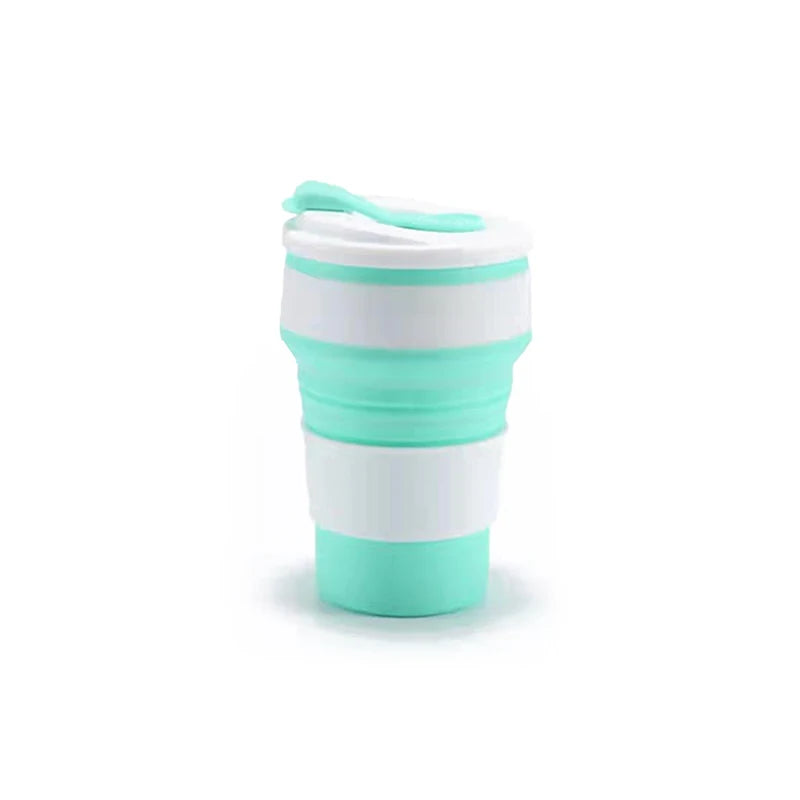
Why Reusable Travel Cups Are Redefining Portable Hydration in 2026
The rise of minimalist travel culture has reshaped everyday carry decisions. Instead of carrying full-size drinkware, users now prioritize collapsible, lightweight, and multi-environment gear. This shift is driven by three major factors:
- Space efficiency: backpacks, tote bags, and carry-ons are increasingly optimized for compression packing.
- Sustainability pressure: reduced reliance on disposable cups across airports, offices, and outdoor spaces.
- Hybrid mobility lifestyles: people now switch between commuting, traveling, and remote work environments in a single day.
Within this context, reusable travel cups fall into two dominant engineering philosophies: collapsible silicone systems designed for extreme portability, and stainless steel vacuum-insulated mugs optimized for thermal performance and structural durability.
The tradeoff is simple but important: Do you prioritize packability or temperature retention?
Silicone vs Stainless Steel: The Core Tradeoff Explained
At a material level, the differences between collapsible silicone and stainless steel go far beyond appearance. Each system is optimized for a different kind of traveler behavior.
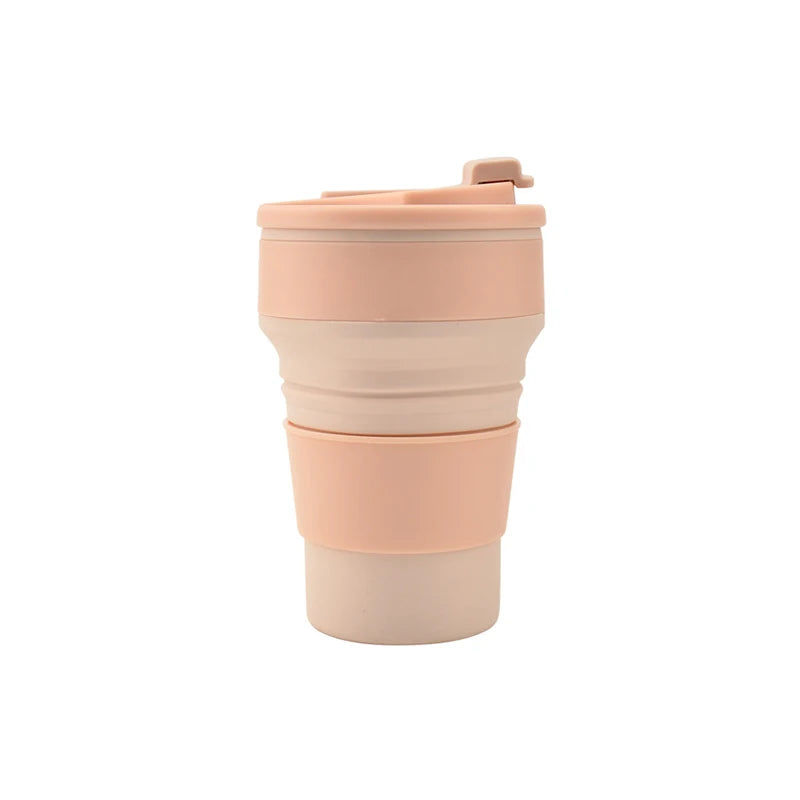
Platinum Silicone Collapsible Cups: Flexibility and Packability
Platinum silicone is the premium grade used in higher-quality collapsible cups. Unlike standard silicone, it offers better heat resistance, reduced odor absorption, and higher long-term durability under repeated folding cycles.
Key advantages include:
- Collapses to a fraction of its full size for pocket or bag storage
- Lightweight structure ideal for hiking, commuting, and travel
- High heat resistance suitable for hot coffee or tea
- Flexible body reduces breakage risk in luggage
However, collapsible designs typically trade off thermal insulation and rigid leak resistance compared to steel systems.
Stainless Steel Travel Cups: Structure, Insulation, and Durability
Stainless steel cups rely on vacuum insulation technology to maintain beverage temperature for extended periods. This makes them ideal for users who prioritize performance over portability.
Key advantages include:
- Superior hot and cold retention for long trips
- High structural integrity and impact resistance
- More reliable sealing systems in many premium models
- Long-term durability under daily heavy use
The downside is clear: stainless steel cups are rigid, heavy, and take up constant space in your bag.
Collapsibility Score Index: Measuring True Packability (New Framework)
To move beyond subjective comparisons, we introduce a practical evaluation model: the Collapsibility Score Index. This framework measures how efficiently a reusable travel cup integrates into real-world packing systems.
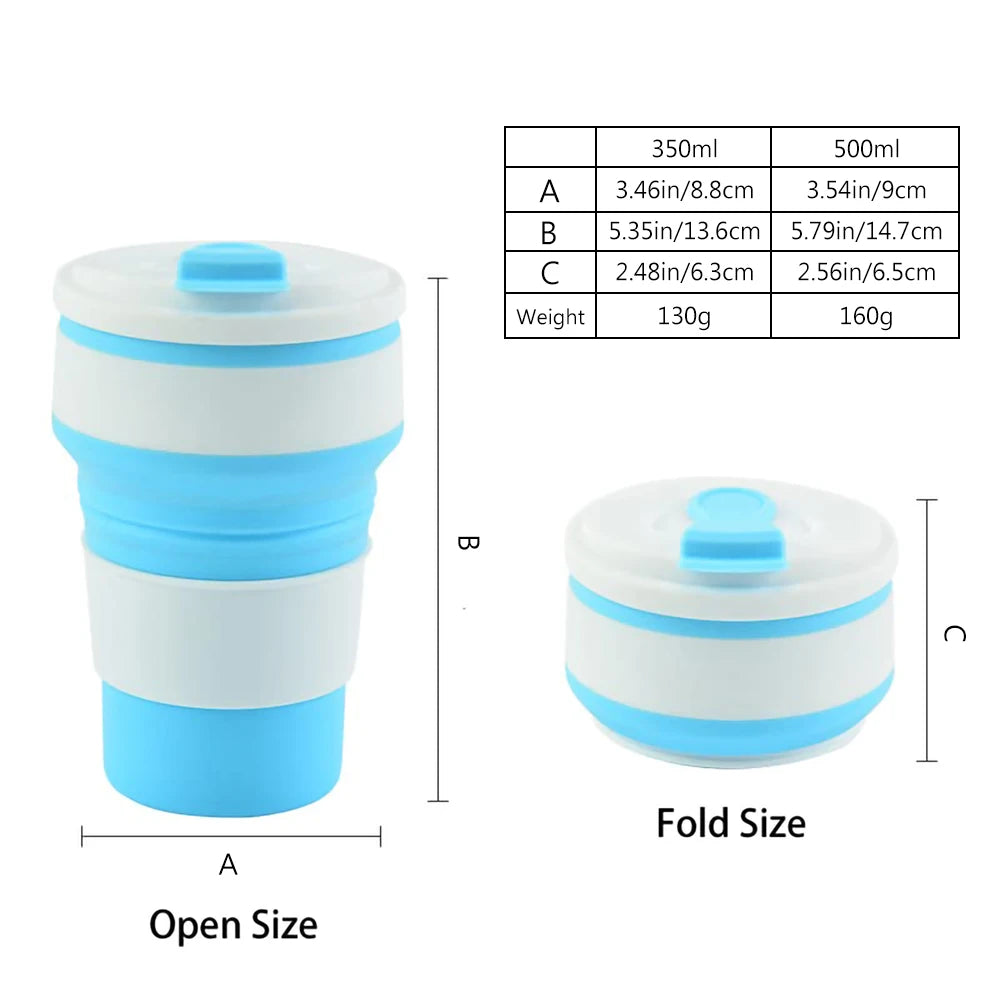
Volume Compression Ratio (Expanded vs Folded State)
This metric evaluates how much space a cup occupies when in use versus when stored. Collapsible silicone cups typically reduce volume by up to 70–85%, making them ideal for ultra-light packing systems.
Fold Cycle Endurance and Structural Fatigue
Durability is measured by how many compression cycles the cup can withstand before structural degradation. High-grade platinum silicone performs significantly better than standard silicone in repeated fold testing, maintaining elasticity and seal integrity over time.
Leakproof Performance Testing: Real-World Bag Stress Scenarios
Leak resistance is one of the most important performance factors for reusable travel cups. A cup that fails in a backpack can damage electronics, documents, or clothing.
Inversion Leak Test Results
In controlled inversion tests (simulating upside-down packing), stainless steel cups with screw-top lids generally outperform collapsible silicone cups with snap-fit lids. However, high-quality silicone models with reinforced gasket seals significantly reduce leakage risk.
Lid Engineering Types and Seal Reliability
- Snap-fit lids: lightweight, but moderate leak resistance
- Screw-top lids: high security, best for travel bags
- Gasket-sealed systems: hybrid designs with improved pressure resistance
Product Example:
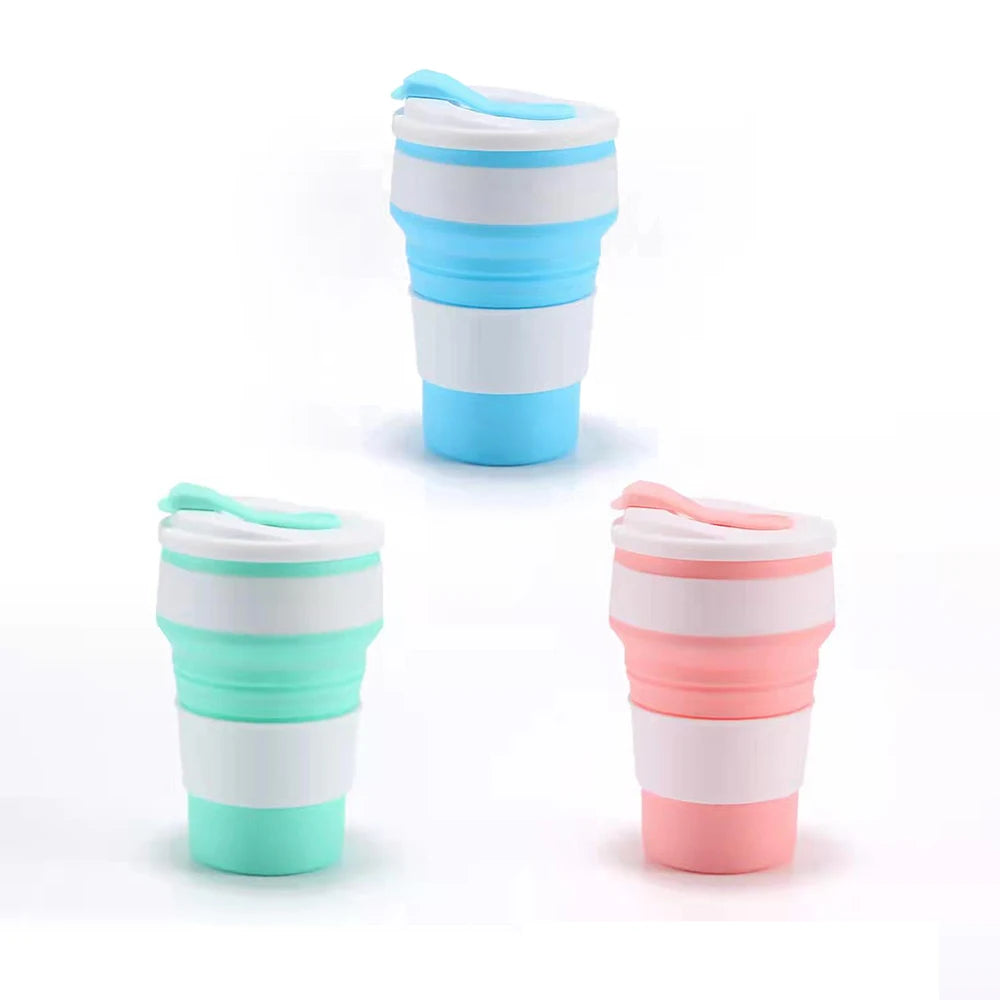
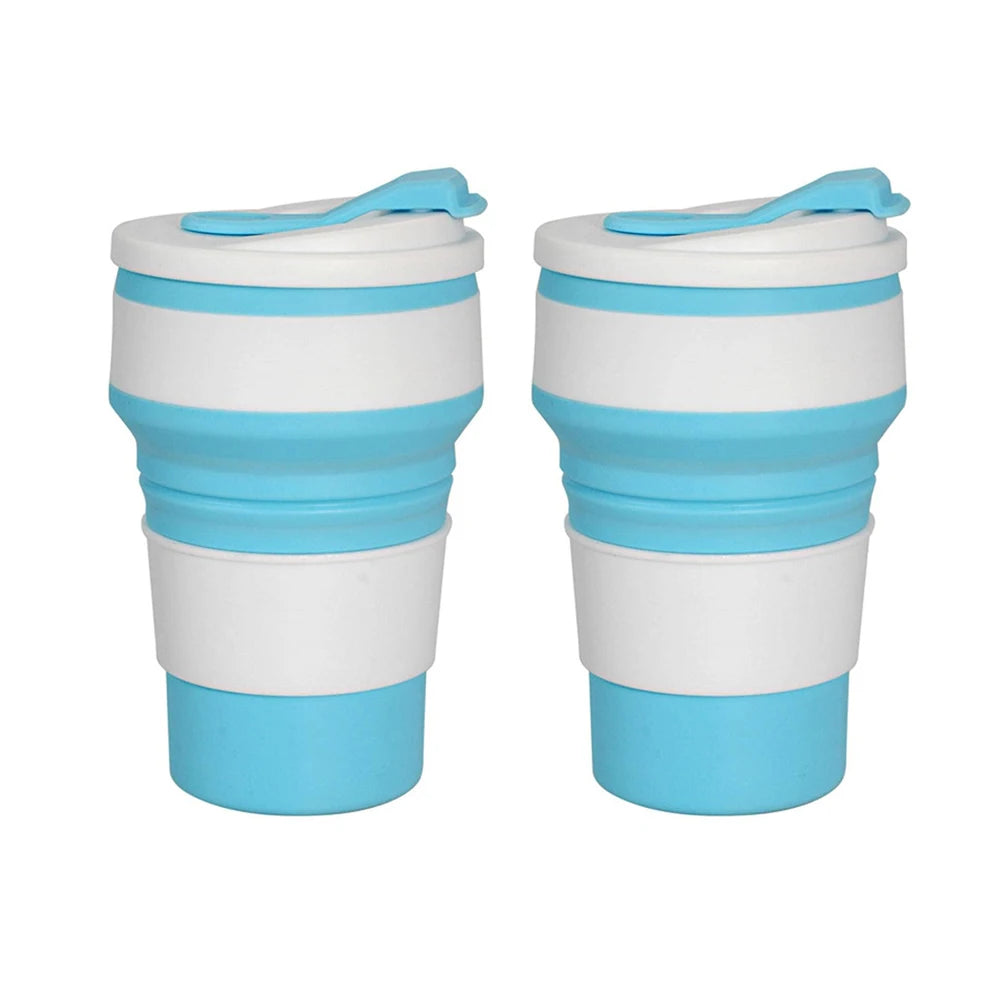
One strong example of a portable collapsible system is the 12oz Collapsible Silicone Cups – Portable Travel Mug, designed for travel-first users who prioritize packability over rigid insulation.
This type of design performs especially well in backpacks, camping kits, and commuter bags where space efficiency matters more than long-term heat retention.
Pros:
- Ultra-compact foldable design for travel efficiency
- Eco-friendly reusable silicone construction
- Suitable for both hot and cold beverages
- Lightweight for hiking and commuting
Cons:
- Lower insulation compared to stainless steel
- Snap-style lids may be less leak-resistant under pressure
Thermal Retention vs Portability: When Steel Outperforms Silicone
Stainless steel dominates in one critical category: thermal retention. Vacuum insulation allows beverages to stay hot or cold for hours, making it ideal for long commutes or extended outdoor use.
Silicone cups, while heat-resistant, do not retain temperature efficiently due to their flexible structure and thinner walls. This creates a clear tradeoff:
- Steel: Best for long-lasting hot coffee or cold drinks
- Silicone: Best for short-term use and portability
Use-Case Decision Matrix: Flights, Hiking, and Urban Commuting
Instead of asking “which is better,” the smarter question is: which cup fits your environment?
Air Travel (TSA Compliance + Packing Efficiency)
According to United States Transportation Security Administration (TSA) guidelines, empty reusable containers are permitted through security checkpoints. This makes collapsible silicone cups particularly useful because they can be stored empty without consuming bag space.
Best choice: Collapsible silicone
Hiking & Camping Gear Optimization
In outdoor environments, weight and packability matter more than insulation. Silicone cups integrate well into minimalist camping kits and pair efficiently with compact cooking systems.
Best choice: Collapsible silicone (or hybrid use)
Urban Commuting and Office Use
For desk-based environments or long commutes, spill resistance and thermal retention are more important than packability. Stainless steel performs better in this scenario.
Best choice: Stainless steel vacuum cup
Durability Testing: Odor Retention, Heat Exposure, and Fold Cycles
Long-term performance depends heavily on material grade and usage intensity.
Platinum Silicone vs Standard Silicone Longevity
Platinum silicone significantly reduces odor absorption and maintains elasticity after repeated folding cycles. Standard silicone may degrade faster under high heat exposure and repeated compression.
Stainless Steel Structural Lifespan Under Daily Use
Stainless steel is highly resistant to corrosion and impact damage, making it suitable for years of continuous use. It also maintains structural integrity under extreme temperature changes.
Buying Guide: How to Choose the Right Reusable Travel Cup
Before purchasing, evaluate your usage patterns against three core criteria:
- Portability priority: Do you need a cup that disappears into your bag?
- Thermal performance: Do you need drinks to stay hot or cold for hours?
- Leak risk tolerance: Will the cup be stored in a packed backpack?
If portability is your top concern, collapsible silicone systems are the most efficient option. If performance is your priority, stainless steel remains the benchmark.
Recommended internal collections for exploration:
Pros & Cons Summary
Collapsible Silicone Cups
- Pros: Ultra-portable, lightweight, space-saving, flexible for travel
- Cons: Lower insulation, moderate leak resistance, less rigid structure
Stainless Steel Travel Cups
- Pros: Excellent insulation, durable, highly leak-resistant, long lifespan
- Cons: Bulky, heavier, not collapsible
FAQ: Reusable Travel Cups
Are reusable travel cups allowed through TSA airport security?
Yes. Empty reusable cups are allowed through security checkpoints as long as they contain no liquid at the time of screening.
What is the difference between collapsible silicone cups and stainless steel travel cups?
Silicone cups prioritize portability and collapsibility, while stainless steel cups prioritize insulation and structural durability.
Do reusable travel cups leak when packed in a bag?
Leak resistance depends on lid design. Screw-top and gasket-sealed lids perform best under pressure conditions.
How long do silicone reusable travel cups last with frequent folding?
High-quality platinum silicone cups can last years with proper care, maintaining flexibility across thousands of fold cycles.
Are reusable travel cups safe for hot coffee and boiling liquids?
Yes. Most high-quality silicone cups are heat-resistant up to 200°C, while stainless steel cups safely handle boiling liquids due to their structural stability.
Final Verdict: Choosing Based on Real-World Use
The best reusable travel cup is not universal—it depends entirely on how you move through the world.
If your priority is maximum portability, minimalist packing, and flexible travel integration, collapsible silicone cups are the clear winner. If your priority is thermal retention, spill resistance, and long-term durability, stainless steel remains unmatched.
The most effective approach in 2026 is not choosing one category universally—but selecting based on scenario. Many users ultimately benefit from owning both systems and switching based on context.
CTA: If you’re optimizing for travel efficiency and space-saving gear, start with a collapsible silicone cup designed for portability-first lifestyles and expand your setup based on your daily routine.
Pillar Article: Camping Cups Collapsible: Best Picks by Use Case (Ultralight, Family, Car Camping)





