

Leakproof Insulated Water Bottle: Top Models Compared
Do hiking water bottles really matter for long hikes?
Hiking water bottles are essential for long treks because they prevent dehydration, reduce leak risks, and protect against contamination. Choosing the right system and packing it properly ensures consistent hydration, safer water storage, and better endurance on the trail—especially during multi-hour or full-day hikes.
Hiking water bottles: How to pack for long hikes safely
Hiking water bottles can make or break your long trek if you don’t pack them right. Learn how to avoid water bottle spills, prevent water contamination during outdoor trips, and master the best way clean hydration tube system for safer hydration. We’ll also break down why a durable PE hydration reservoir bottle 1.75L is a game-changer for endurance hikes. Small packing mistakes can cost you comfort and safety—are you making one without realizing it?
⏱ 7 min read
Ever opened your backpack mid-hike only to find everything soaked? Or taken a sip and realized your water tastes… off? These are common problems hikers face—but they’re completely avoidable with the right setup.
Explore essentials in Hydration & Food to upgrade your trail experience.
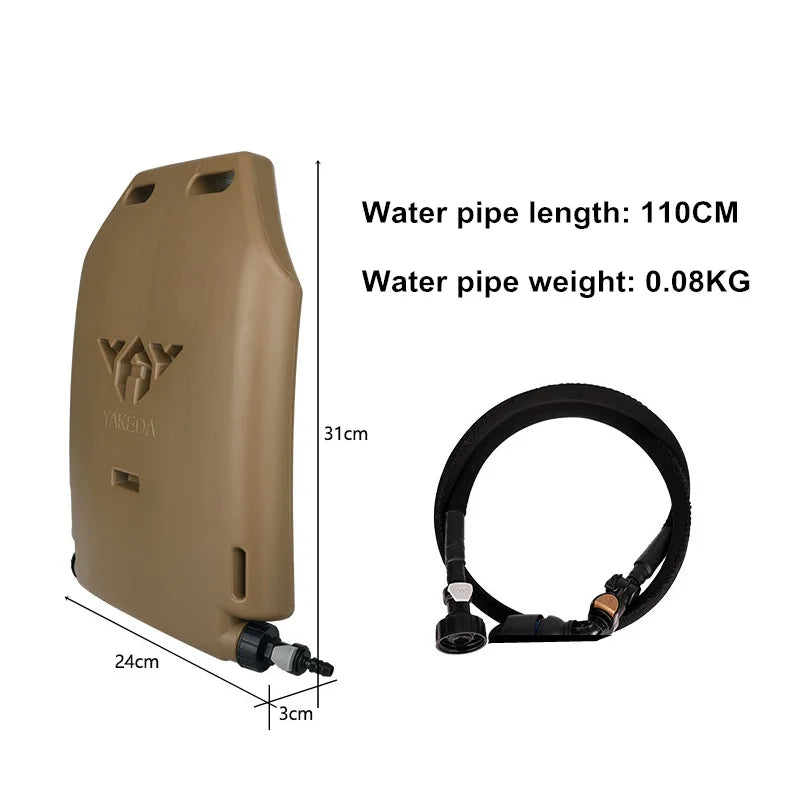
hiking water bottles setup to avoid spills 💡 See it in action outdoors
Why hiking water bottles matter more than you think
Hiking water bottles directly impact your safety, not just convenience. Poor packing can lead to leaks, bacterial growth, or even dehydration if access is difficult.
What gear actually makes hiking easier? Surprisingly, it starts with how you carry your water.
- Leaking bottles ruin gear and morale
- Contaminated water can cause illness
- Hard-to-reach bottles reduce hydration frequency
- Poor materials affect durability and taste
Many hikers report that switching to better hydration systems improved their endurance and reduced fatigue.
How to avoid water bottle spills on the trail
Spills usually happen due to loose lids, pressure changes, or poor packing placement. Fixing this is simple with the right habits.
Step-by-step: secure your bottles properly
- Tighten caps firmly but avoid over-torquing
- Store bottles upright using side pockets
- Use Waterproof & Dry Bags for backup protection
- Clip bottles externally using Hooks, Clips & Carabiners
Common mistakes to avoid
- Throwing bottles loosely into your pack
- Mixing hydration gear with electronics
- Using worn-out seals or cracked lids
| Problem | Cause | Fix |
|---|---|---|
| Water leaks | Loose cap | Double-check seal before packing |
| Bag gets wet | Horizontal placement | Keep bottles upright |
| Slow leak | Damaged gasket | Replace or upgrade bottle |
Browse durable options in Collapsible Water Bottles.
How to prevent water contamination during outdoor trips
Clean water isn’t guaranteed outdoors. Even your own bottle can become contaminated if handled poorly.
Best practices for safe hydration
- Never touch the mouthpiece with dirty hands
- Use Personal Water Filters when refilling from streams
- Store bottles away from food residue
- Rinse daily during multi-day hikes
Hikers often underestimate how quickly bacteria can build up—especially in warm conditions.
Real-world scenario
After a 6-hour hike, one traveler noticed a strange taste. The issue? A dirty cap exposed to trail dust. A quick rinse and better storage solved it instantly.
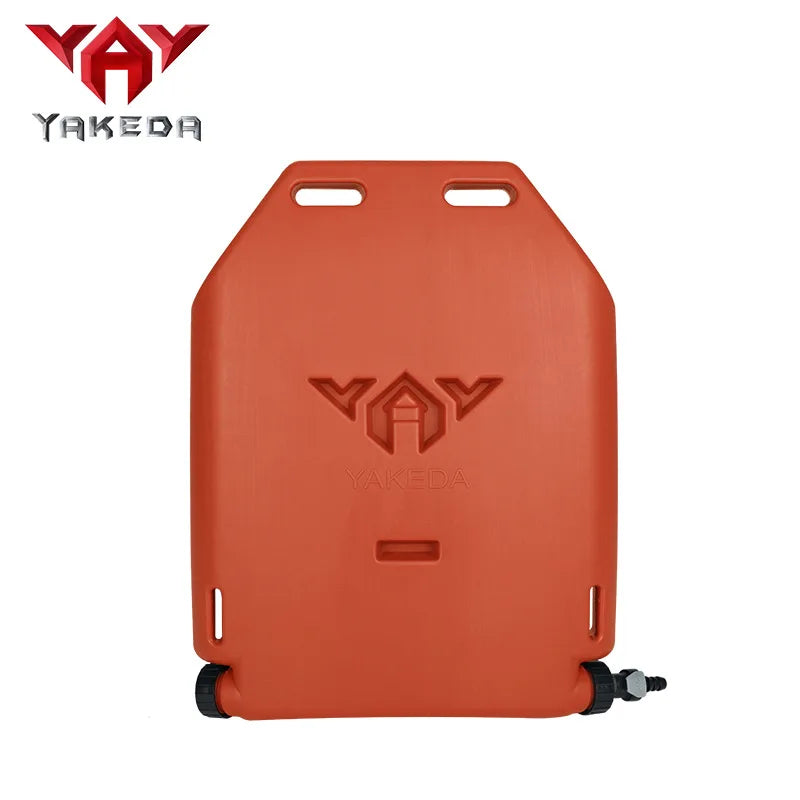
prevent water contamination during outdoor trips 💡 See it in action
Best way clean hydration tube system for safe drinking
Hydration tubes are convenient—but they require proper cleaning to stay safe.
Simple cleaning routine
- Flush with warm water after each use
- Use mild soap weekly
- Hang dry completely to prevent mold
- Deep clean with baking soda monthly
Pro tips
- Detach tubes for faster drying
- Avoid sugary drinks inside reservoirs
- Store in a clean, dry environment
Many experienced hikers say switching to a consistent cleaning routine eliminated bad taste issues completely.
Smart packing strategy for long hikes
Efficient packing keeps your hydration system accessible and safe.
Optimal placement
- Reservoirs: inside hydration sleeve
- Bottles: side pockets for quick access
- Backup water: sealed in Camping Storage & Boxes
Balance your load
Water is heavy. Keep it close to your back to maintain stability and reduce strain.
Combine with other essentials
- Lightweight Daypacks for better distribution
- Gear Organizers & Pouches to separate clean and used items
Why a durable PE hydration reservoir bottle 1.75L is ideal
A durable PE hydration reservoir bottle 1.75L offers the perfect balance between capacity and portability. It provides enough water for extended hikes without constant refilling, while remaining lightweight and flexible for easy packing. Its material resists wear, making it reliable for rugged outdoor use.
For long hikes, capacity matters. A 1.75L reservoir hits the sweet spot between weight and hydration.
- Lightweight yet durable PE material
- Flexible design fits into tight pack spaces
- Large capacity reduces refill stops
- Compatible with hydration tubes
👉 Check it out here: durable PE hydration reservoir bottle 1.75L
Many hikers report fewer stops and better hydration consistency after switching to larger reservoirs.
Upgrade your hydration with this 1.75L reservoir bottle.
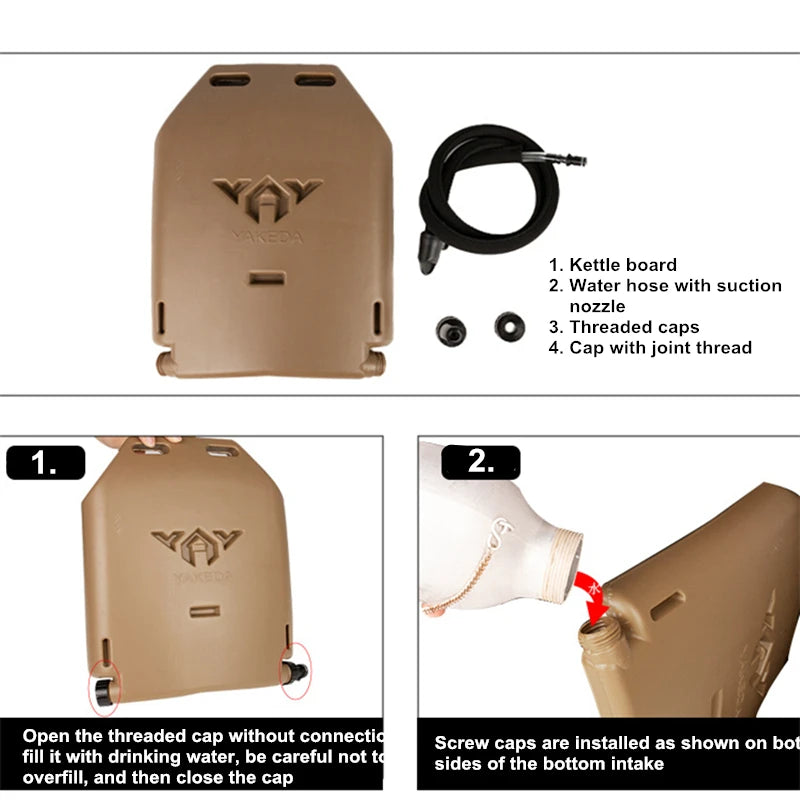
durable PE hydration reservoir bottle 1.75L for long hikes 💡 See it in action
Pre-hike hydration checklist
- ✔ Bottles sealed and tested
- ✔ Backup water stored safely
- ✔ Hydration tube cleaned and dried
- ✔ Water filters packed
- ✔ Bottles positioned for easy access
| Item | Purpose |
|---|---|
| Hydration reservoir | Main water supply |
| Backup bottle | Emergency use |
| Filter | Safe refilling |
| Dry bag | Leak protection |
FAQ
How often should I clean my hiking water bottles?
Clean after every hike and deep clean weekly if used frequently. This prevents bacteria buildup and keeps water tasting fresh.
What is the safest way to carry water on long hikes?
Use a combination of hydration reservoirs and backup bottles, stored upright and secured to prevent leaks and contamination.
Can hydration tubes get moldy?
Yes, if not dried properly. Always air dry completely and clean regularly to prevent mold growth.
Is a 1.75L reservoir enough for a full-day hike?
For most moderate hikes, yes. However, always adjust based on weather, terrain, and personal hydration needs.
Give feedbackPillar Article: Best hydration pack hiking: 7 packs compared for comfort & leaks
Other Related Articles:
- Best Hydration Pack Running: Lightweight Race Pack Comparison
- Best Hydration Pack MTB Vs Top Trail Packs Compared
- Plate Carrier Hydration: Best Tactical Setups Compared
- Liter Hydration Bladder: 1L Vs 2L Capacity Comparison Guide
Explore More:





