

Hiking Backpack Hydration For Long Treks And Endurance Comfort
What is hiking backpack hydration and why does it matter?
Hiking backpack hydration is a built-in water carrying system that allows hikers to drink easily through a tube while walking. It helps maintain steady hydration on long trails, reduces fatigue, and supports endurance. Using a hydration backpack ensures consistent fluid intake, especially during strenuous climbs or hot weather conditions on extended hikes.
Hiking Backpack Hydration For Long Treks And Endurance Comfort
Long trails can quickly turn exhausting when dehydration creeps in unnoticed. Dry mouth, sudden fatigue, and slowed pace often start small but build fast. Hiking backpack hydration systems are designed to keep water within reach so you can stay focused on the journey instead of worrying about your next sip.
But are you actually drinking enough water while hiking, or only when you remember? Many hikers underestimate fluid loss, especially on steep terrain or warm days. This guide breaks down how to stay ahead of dehydration and choose gear that supports endurance from start to finish.
💡 See it in action
What is hiking backpack hydration and why does it matter?
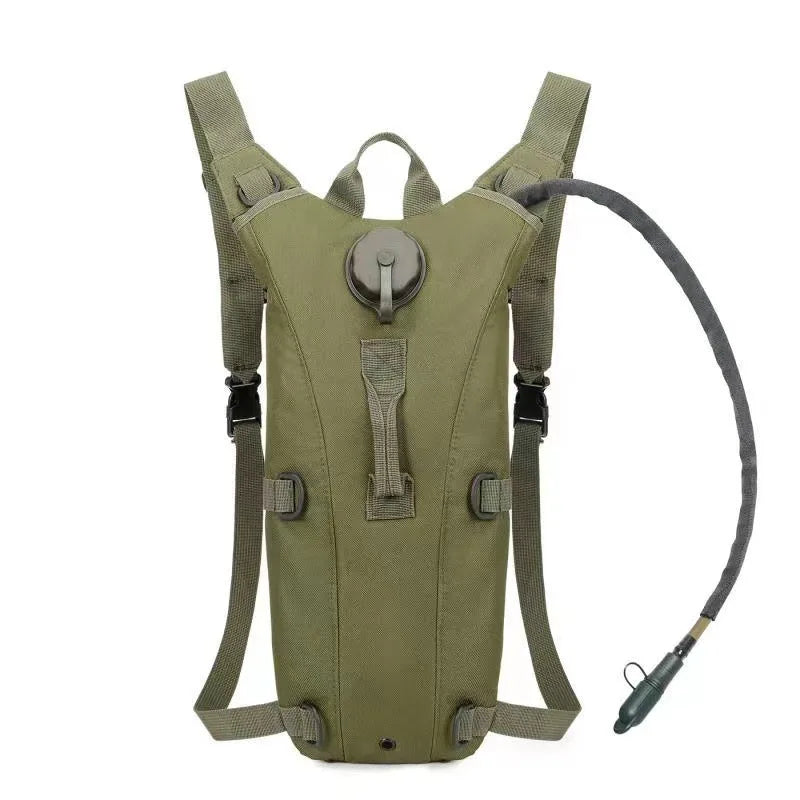
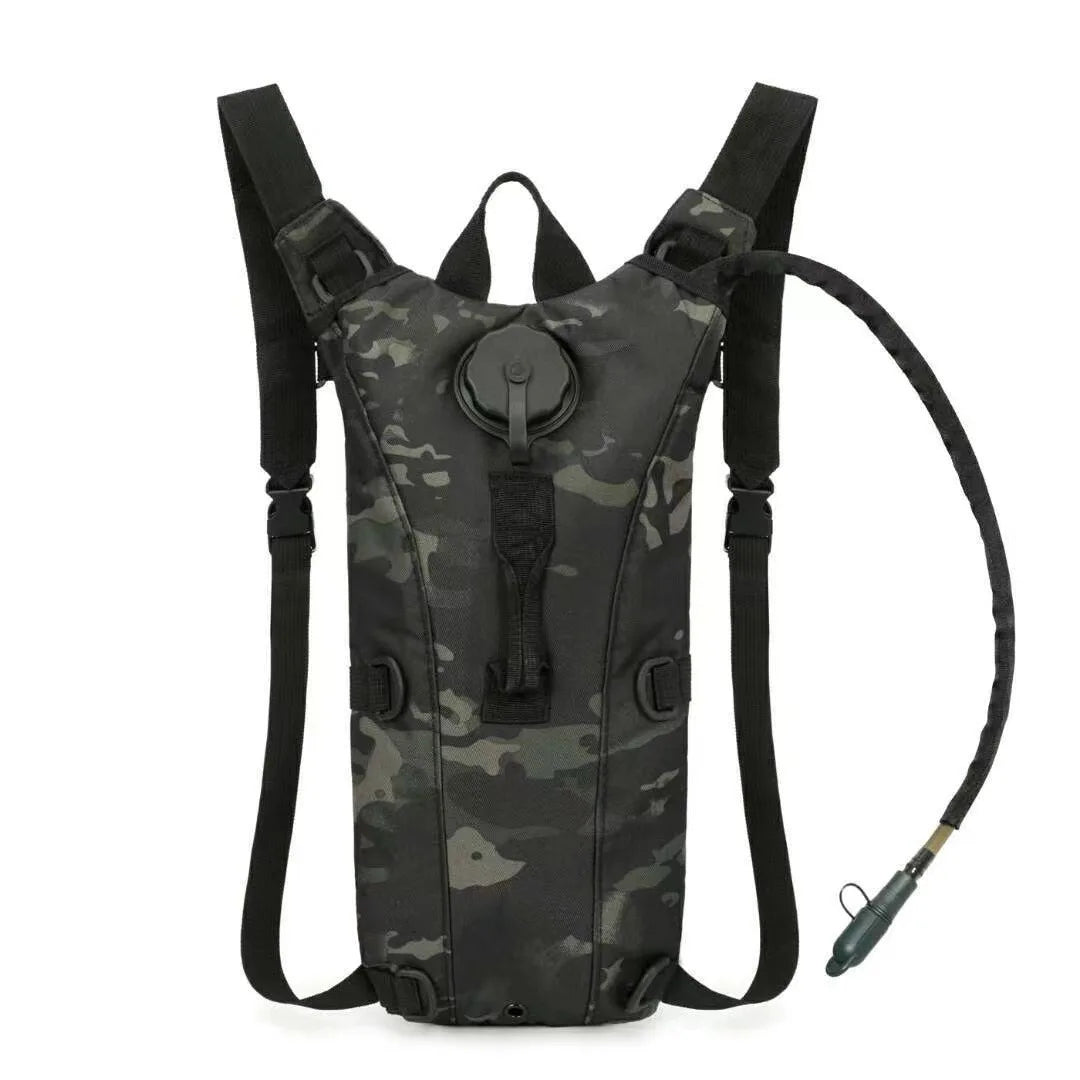
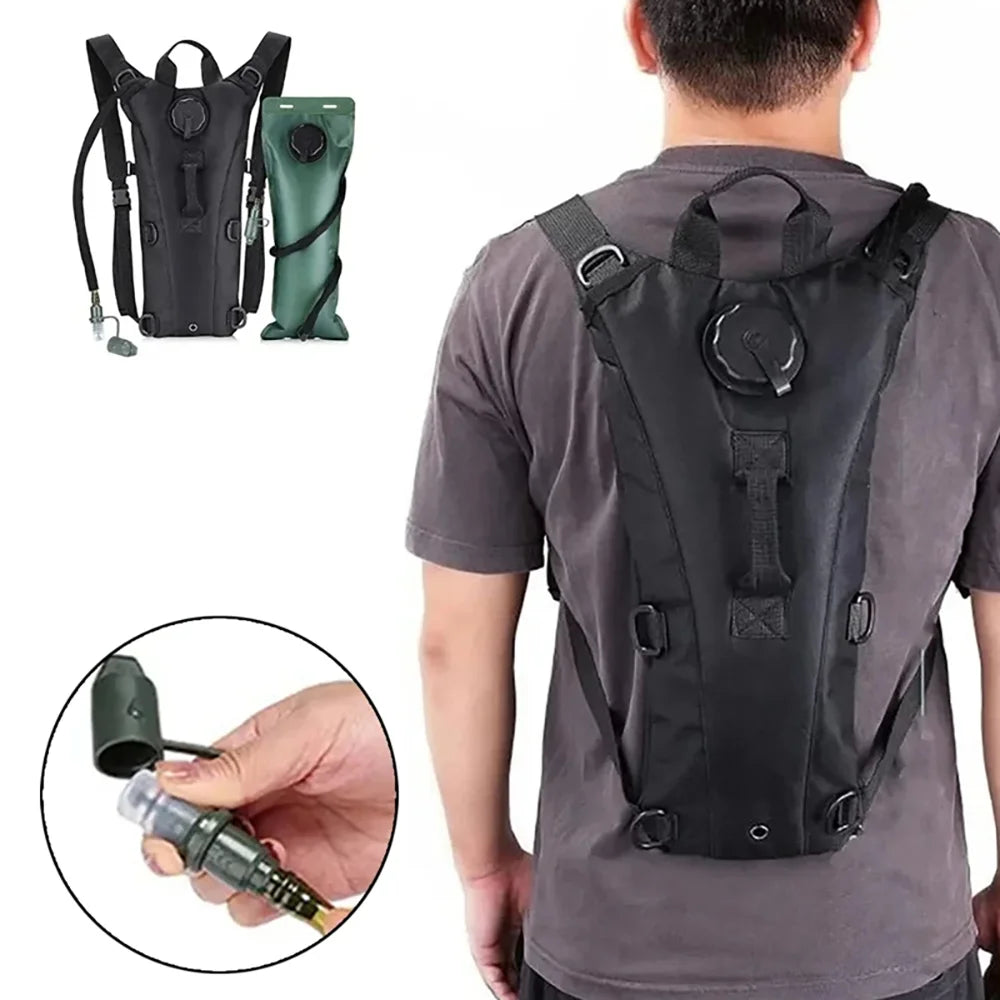
Hiking backpack hydration is a system that integrates a water reservoir and drinking tube into your backpack. It allows hands-free hydration while moving, which helps maintain steady energy levels. This setup is especially useful on long treks where stopping frequently for water breaks can slow momentum and reduce hiking efficiency.
Unlike traditional bottles, hydration systems distribute weight evenly across your back. This improves balance on uneven terrain and encourages consistent drinking habits, helping you avoid dehydration-related fatigue before it starts.
How hiking backpack hydration improves endurance on long treks
Hiking backpack hydration supports endurance by delivering water in small, frequent sips rather than occasional large drinks. This helps regulate body temperature, reduce muscle fatigue, and maintain steady energy levels over long distances.
- Maintains consistent hydration during movement
- Reduces need to stop and unpack water bottles
- Helps regulate body temperature in heat
- Supports sustained energy on steep climbs
Many hikers notice they can walk longer distances without feeling drained when hydration becomes effortless. Over time, this small change significantly improves overall trail performance and comfort.
Tips preventing dehydration on long hikes
Preventing dehydration is not just about carrying water—it’s about using it wisely throughout the hike. Small habits can make a major difference in endurance and recovery.
- Drink small amounts every 10–15 minutes instead of waiting for thirst
- Monitor urine color as a hydration indicator
- Increase intake during hot or high-altitude hikes
- Use electrolyte balance on longer treks
Pairing these habits with a reliable hydration system from Hydration & Food Management helps maintain consistency even on demanding trails.
How to stay hydrated hiking safely in changing conditions
Weather, elevation, and terrain all impact hydration needs. In cooler climates, hikers often drink less without realizing their body is still losing fluids through exertion. In hot or humid environments, water loss increases dramatically through sweat.
To stay safe, adjust your drinking schedule based on effort level rather than temperature alone. Carry extra water on exposed ridges and refill whenever possible using trusted filtration options like Personal Water Filters.
💡 See it in action
Guide choosing lightweight hydration backpack systems
Choosing the right hydration backpack is about balancing weight, capacity, and comfort. A well-fitted system prevents strain while keeping water easily accessible during movement.
| Feature | Best For | Why It Matters |
|---|---|---|
| 2L Reservoir | Short hikes | Lightweight and easy mobility |
| 3L Reservoir | Long treks | Balanced capacity for endurance hiking |
| Breathable back panel | Hot climates | Reduces sweating and discomfort |
| Storage compartments | Multi-day hikes | Holds snacks and essentials |
For more versatile gear setups, explore Backpacking & Carry Solutions and pair your hydration system with lightweight packs designed for endurance.
Common mistakes hikers make with hydration packs
Even experienced hikers sometimes misuse hydration systems, reducing their effectiveness. Avoiding these mistakes can significantly improve comfort and performance on the trail.
- Not cleaning the reservoir regularly, leading to taste issues
- Overfilling the pack and increasing strain
- Ignoring electrolyte replacement on long hikes
- Failing to check tube flow before starting a trek
Simple maintenance and preparation ensure your hydration system performs reliably when you need it most.
Real-world hiking scenarios
On a 6-hour mountain hike, one traveler reported constant fatigue during previous trips due to inconsistent water breaks. After switching to a hydration backpack, they maintained steady sipping and completed the same route with noticeably better energy and fewer rest stops.
Another group hiking in humid conditions found that shared hydration breaks were slowing progress. With individual hydration packs, pacing improved and group coordination became smoother across difficult terrain.
💡 See it in action
FAQ
How much water should I carry for a long hike?
Most hikers carry 2–3 liters depending on temperature, terrain, and duration. Hot or high-altitude hikes require more frequent refills or higher capacity systems.
Can I use a hydration backpack for everyday walking?
Yes, smaller systems are suitable for daily walks, running, or cycling. They provide convenient hydration without needing to carry bottles.
How do I clean a hydration reservoir?
Rinse after every use, use mild soap weekly, and allow full drying to prevent mold or odor buildup inside the tube and bladder.
What is the best way to prevent dehydration on hikes?
Drink consistently in small amounts, adjust intake based on weather, and consider electrolytes for longer or more intense hikes.
Are hydration backpacks better than water bottles?
For endurance hiking, hydration backpacks are often more efficient because they allow hands-free drinking and encourage regular hydration habits.
Pillar Article: The Best Hydration Backpack For Different Body Types & Use Cases
Other Related Articles:
Explore More:





