

Hikers Water Bottles For Cold Weather And Long Trails
Hikers Water Bottles For Cold Weather And Long Trails
⏱ 14 min read
Do hikers water bottles really help during cold weather and long trails?
Hikers water bottles designed for freezing temperatures and long-distance trekking help prevent frozen water, reduce pack weight, and improve comfort during difficult outdoor adventures. The right bottle also helps avoid insufficient hydration during hiking long outdoor trips by keeping water accessible, insulated, and easier to drink even in harsh winter conditions.
Cold wind, frozen caps, and heavy packs can ruin even the most beautiful hike. Many hikers underestimate how quickly dehydration develops during winter treks because cold air suppresses thirst signals. What gear actually makes hiking easier when temperatures drop and trails stretch for miles? The answer often starts with choosing the right hikers water bottles for your terrain, climate, and hiking style.
Whether you’re planning alpine climbs, snowy forest trails, desert-to-mountain transitions, or multi-day backpacking adventures, your hydration setup matters more than most hikers realize. The wrong bottle freezes, leaks, or becomes difficult to access while moving. The right one keeps water flowing, saves energy, and improves safety during demanding conditions.
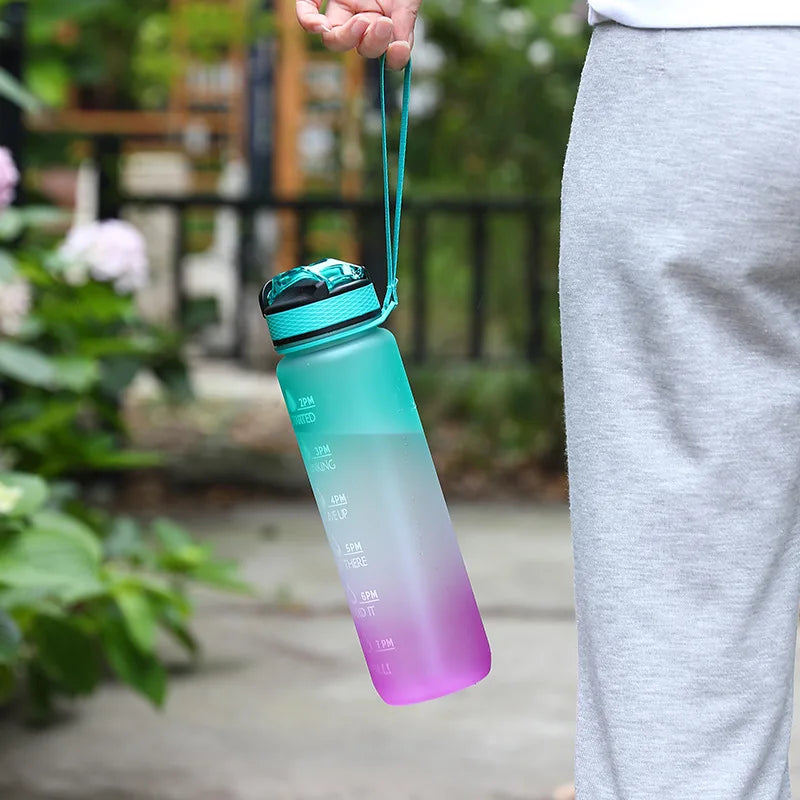
Explore the 1L Sports Water Bottle with Time Tracking
💡 See it in action
Why Proper Hydration Matters More In Cold Weather
Hikers water bottles become even more important during winter hiking because cold temperatures reduce thirst awareness while your body still loses fluids through sweat and breathing. A properly insulated bottle improves access to liquid water, helping hikers maintain energy, warmth, mental focus, and endurance across long outdoor routes.
Many hikers assume dehydration is mostly a summer problem. In reality, winter dehydration develops faster than expected because dry air and heavy clothing increase fluid loss. Add elevation gain, wind exposure, and long mileage, and the problem becomes serious quickly.
Signs of insufficient hydration during hiking long outdoor trips include:
- Persistent fatigue
- Headaches during elevation gain
- Poor concentration on technical trails
- Muscle cramps
- Cold hands and reduced circulation
- Dark urine or infrequent bathroom breaks
Experienced backpackers often drink less in winter simply because cold water feels unpleasant. Insulated bottles solve this by helping water stay drinkable longer.
How Better Hydration Improves Winter Hiking Comfort
- Maintains body temperature regulation
- Supports joint and muscle performance
- Improves stamina on steep climbs
- Reduces altitude-related fatigue
- Helps digestion during long trail meals
Pairing your bottle with lightweight storage systems from Backpacking & Carry helps distribute weight more efficiently across long distances.
Which Hikers Water Bottles Perform Best On Long Trails?
Hikers water bottles designed for rugged outdoor use typically include insulation, leakproof lids, durable materials, and easy-grip shapes. The best models balance warmth retention, pack efficiency, lightweight carry, and fast accessibility without adding unnecessary bulk during long-distance hiking or winter backpacking trips.
Not every bottle works well outdoors. Some gym bottles become slippery, crack in freezing weather, or fail under pressure changes at elevation.
Features That Matter Most On Rugged Trails
| Feature | Why It Matters | Best Use |
|---|---|---|
| Double-wall insulation | Keeps water from freezing | Winter hikes |
| Wide-mouth opening | Easier filling and cleaning | Snow camping |
| Time-tracking markers | Encourages regular drinking | Long-distance hikes |
| Leakproof lid | Prevents soaked gear | Backpacking |
| Grip-friendly exterior | Easier handling with gloves | Cold weather trekking |
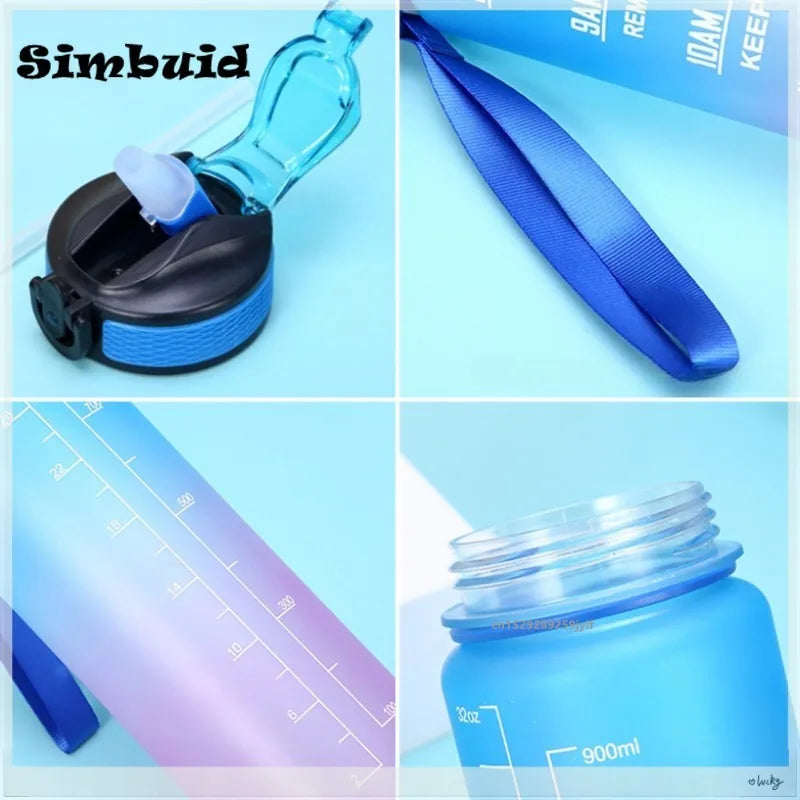
One increasingly popular solution for long trails is a bottle with visible intake markers. Hikers often forget to drink consistently during difficult climbs, especially in freezing conditions.
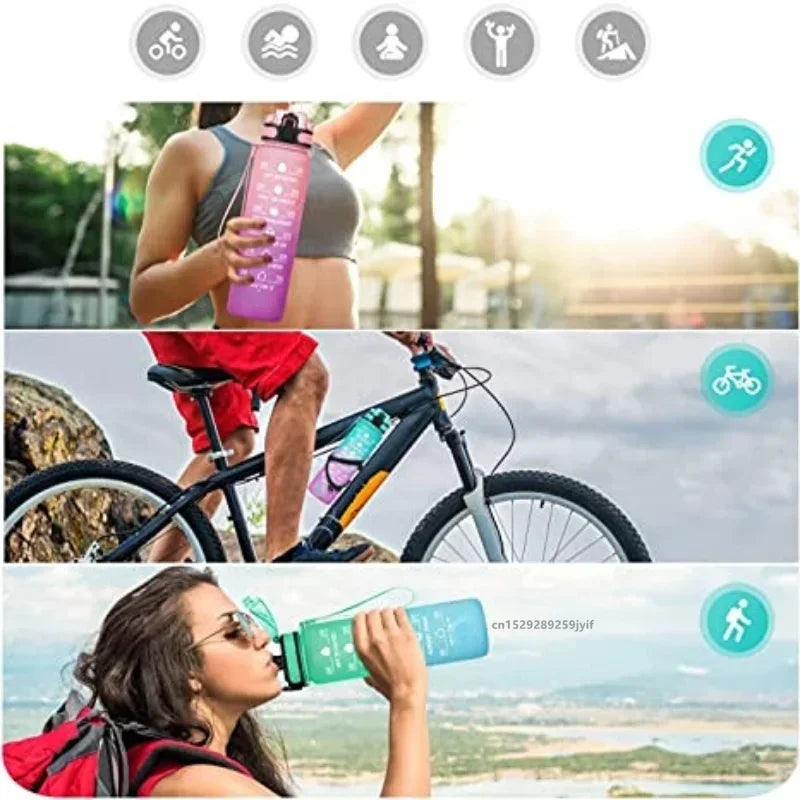
The 1L Sports Water Bottle with Time Tracking helps hikers maintain steady hydration without constantly checking volume levels.
See how this bottle supports all-day hydration tracking
What Long-Distance Hikers Prioritize
- Low carry weight
- Fast access from side pockets
- Durability against drops and ice
- Minimal condensation inside packs
- Compatibility with filtration systems
Hikers combining hydration systems with filtration often browse Personal Water Filters for stream refill setups during remote treks.
How To Prevent Water From Freezing While Hiking
Frozen lids are one of the most frustrating winter hiking problems. Many hikers lose access to water entirely because their bottle setup wasn’t prepared for sub-freezing conditions.
Simple Tricks That Keep Water Drinkable Longer
- Store bottles upside down inside side pockets
- Use insulated sleeves during exposed ridge walks
- Carry warm water instead of ice-cold water
- Keep bottles inside the pack overnight
- Avoid leaving bottles exposed during breaks
Surprisingly, storing bottles upside down helps because ice forms at the top first. When inverted, the cap stays usable longer.
Winter backpackers also use insulated layers from Wind & Cold Protection to protect hydration systems from harsh wind chill.
Hydration Bladder Vs Bottle In Winter
| Hydration System | Pros | Cons |
|---|---|---|
| Hydration Bladder | Hands-free drinking | Tube freezing risk |
| Insulated Bottle | Reliable in cold weather | Slightly heavier |
Many experienced winter hikers switch back to insulated bottles specifically because frozen hydration tubes become unreliable in harsh conditions.
How To Stay Hydrated During Hiking Trips Without Overpacking
Learning how to stay hydrated during hiking trips does not mean carrying excessive weight. Smart hydration planning focuses on refill access, efficient bottle placement, insulation, and drinking consistency instead of simply packing more water than necessary.
Many hikers overcompensate by carrying too much water, adding unnecessary pack strain during long climbs.
Efficient Hydration Strategies For Long Trails
- Research water refill points before departure
- Carry filtration backup for emergencies
- Use insulated bottles strategically
- Drink small amounts consistently
- Add electrolytes during extended mileage days
Pairing your hydration setup with Lightweight Daypacks reduces shoulder fatigue while improving accessibility on technical terrain.
💡 See it in action
Trail-Friendly Hydration Checklist
| Essential Item | Why It Helps |
|---|---|
| Insulated water bottle | Prevents freezing |
| Water filter | Reduces carried weight |
| Dry bag | Protects spare clothing |
| Energy snacks | Supports hydration balance |
| Pack organizers | Improves access speed |
Smart organization matters during freezing weather. Many hikers use Waterproof & Dry Bags to separate hydration systems from clothing and electronics.
Reusable Water Bottles For Hiking Vs Gym Use
Reusable water bottles for hiking vs gym use differ dramatically in durability, insulation, portability, and outdoor functionality. Gym bottles prioritize convenience and lightweight carry, while hiking bottles must survive impacts, temperature shifts, rough terrain, and prolonged outdoor exposure.
Many shoppers accidentally buy fitness bottles unsuited for mountain conditions. Gym-focused designs often lack insulation, grip texture, or reliable seals.
Main Differences Between Hiking And Gym Bottles
| Feature | Gym Bottles | Hiking Bottles |
|---|---|---|
| Insulation | Minimal | High |
| Durability | Moderate | Trail-ready |
| Grip | Smooth exterior | Outdoor-friendly texture |
| Leak Protection | Basic | Heavy-duty seal |
| Cold Resistance | Limited | Designed for freezing conditions |
Outdoor hikers also prioritize bottle compatibility with backpacks, side pouches, and clip systems from Hooks, Clips & Carabiners.
Customer reviews frequently mention that time-marked bottles improve hydration consistency on trails where breaks are limited.
“I used to forget drinking during winter hikes until headaches hit halfway through the climb. The time markers helped me build a steady routine.” — Colorado backpacker
Smart Packing Strategies For Multi-Day Hikes
Multi-day trails demand balance between hydration access and pack efficiency. Every ounce matters during steep ascents.
How Experienced Backpackers Pack Water Efficiently
- Keep one bottle externally accessible
- Carry backup reserves deeper in the pack
- Separate hot liquids from electronics
- Use collapsible reserves when water sources are uncertain
- Store insulated bottles near core pack insulation
Hikers planning overnight treks often combine their hydration setup with storage solutions from Compression & Packing Bags to maximize internal pack organization.
Why Winter Camps Require Extra Hydration Planning
Melting snow for water consumes fuel and time. Running out of liquid water during freezing nights creates both discomfort and safety risks.
Many experienced winter campers pair insulated bottles with gear from Camping Stoves & Cooking for fast snow melting during overnight camps.
Cold Weather Bottle Comparison Table
Different hiking conditions require different hydration setups. Here’s a practical breakdown:
| Hiking Scenario | Best Bottle Type | Main Benefit |
|---|---|---|
| Winter day hike | Insulated stainless bottle | Freeze protection |
| Fast summer trail | Lightweight reusable bottle | Weight savings |
| Multi-day backpacking | Hybrid bottle + filter system | Flexible refills |
| Car camping | Large-volume bottle | Convenience |
| Snow trekking | Wide-mouth insulated bottle | Ice resistance |
For family adventures or group camping, hydration storage often expands into larger systems found in Family, Kids & Group.
Real Hiker Experiences And Trail Lessons
Outdoor gear decisions become easier when you hear from hikers who tested them under real conditions.
Winter Ridge Trek In Colorado
A hiking group climbing snowy ridgelines near Breckenridge reported frozen hydration hoses within the first hour. Two hikers using insulated bottles maintained normal water access all day.
The biggest lesson? Accessibility matters more than storage capacity during cold-weather movement.
Multi-Day Appalachian Trail Section Hike
A backpacker completing a four-day section hike explained that switching from bulky insulated bottles to lighter time-marked reusable bottles improved hydration consistency dramatically.
“I finally stopped rationing water because I could visually track intake throughout the day.”
Many hikers combine bottles with lightweight gear from Foldable Travel Gear when transitioning between hiking, road trips, and campsite setups.
Gear Pairings That Improve Outdoor Hydration
A good bottle works even better when paired with supporting trail gear.
Best Companion Gear For Long-Distance Hydration
- Insulated food containers for warm meals
- Waterproof packs for storm protection
- Portable stoves for snow melting
- Pack organizers for quick access
- Rechargeable headlamps for night hydration stops
Winter hikers often pair hydration systems with Insulated Food Containers to maintain warmth and energy throughout freezing expeditions.
During overnight camps, lighting solutions from Headlamps & Wearable Lights help hikers safely access water during dark conditions.
Shop the 1L Sports Water Bottle with Time Tracking
Mistakes Hikers Make With Water Storage
Even experienced hikers occasionally overlook simple hydration mistakes that affect comfort and safety.
Common Problems That Lead To Poor Hydration
- Waiting until thirsty to drink
- Using poorly insulated bottles
- Ignoring electrolyte replacement
- Storing bottles outside overnight
- Choosing oversized heavy containers
One of the most common causes of insufficient hydration during hiking long outdoor trips is inconsistent drinking patterns rather than lack of available water.
Hydration reminders built into bottle design help many hikers maintain better habits throughout the day.
How To Choose The Right Bottle For Your Hiking Style
Hikers water bottles should match your climate, distance, hiking speed, and storage preferences. Winter trekkers benefit from insulated wide-mouth bottles, while ultralight backpackers often prioritize low-weight reusable designs with easy-access lids and reliable leak protection for demanding outdoor conditions.
Your ideal bottle depends on where and how you hike.
Best Bottle Choices By Hiking Style
| Hiker Type | Recommended Bottle Style |
|---|---|
| Winter backpacker | Insulated wide-mouth bottle |
| Ultralight hiker | Minimal reusable bottle |
| Car camper | Large-capacity bottle |
| Trail runner | Compact fast-access bottle |
| Family adventurer | Multiple lightweight bottles |
Hikers preparing for longer wilderness routes often combine hydration systems with backup essentials from Safety, Survival & Emergency.
💡 See it in action
Why Consistent Hydration Changes The Entire Hiking Experience
The difference between an enjoyable hike and a miserable trek often comes down to simple hydration habits. Cold-weather hiking challenges your body quietly. You may not feel thirsty, but your body still loses moisture every hour through movement, breathing, and elevation exposure.
The right hikers water bottles simplify the entire process. Better insulation prevents freezing. Better visibility encourages regular drinking. Better portability improves access without constant stopping.
Whether you're planning snowy summit attempts, multi-day forest trails, weekend car camping, or rugged backpacking adventures, choosing the right hydration setup can improve comfort, endurance, and trail safety in ways most hikers underestimate.
Pairing smart hydration tools with organized gear systems from Hydration & Food helps outdoor adventurers stay prepared through changing terrain and weather conditions.
Frequently Asked Questions
What are the best hikers water bottles for cold weather?
Insulated stainless-steel bottles with leakproof lids and wide-mouth openings perform best during cold-weather hikes because they resist freezing and remain easier to use with gloves.
How do I avoid insufficient hydration during hiking long outdoor trips?
Drink consistently throughout the hike, use visible hydration tracking markers, carry electrolyte supplements, and plan refill points ahead of time rather than waiting until you feel thirsty.
How to stay hydrated during hiking trips in winter?
Carry insulated bottles, drink warm or room-temperature water, protect bottles from wind exposure, and maintain steady intake every 20–30 minutes during active hiking.
Are reusable water bottles for hiking vs gym use really different?
Yes. Hiking bottles prioritize insulation, durability, leak protection, and rugged outdoor usability, while gym bottles often focus on convenience and lightweight indoor fitness use.
Should hikers carry one large bottle or several smaller bottles?
Many experienced hikers prefer two medium bottles because they balance weight distribution, improve access, and reduce the risk of losing all water if one bottle fails.
Related Articles:
- Eco Friendly Reusable Water Bottles For Everyday Commuters
- Squeeze Bottles Sports Players Need For Faster Hydration
Pillar Articles:





