

Camping Water Bladder For Hot Weather Hikes: Real Use Cases
Does a camping water bladder really help in hot weather hikes?
A camping water bladder helps you stay hydrated consistently by allowing hands-free sipping, reducing water waste, and minimizing contamination risks. It keeps water accessible during long hikes, prevents spills, and supports better hydration habits—especially in hot weather where dehydration can happen quickly.
Camping Water Bladder For Hot Weather Hikes: Real Use Cases
A camping water bladder can transform how you handle heat, long trails, and constant sipping without stopping. From preventing water contamination during outdoor trips to maintaining hydration system for camping trips, it solves problems traditional bottles create. You’ll also discover the best way clean hydration tube system and how to avoid water bottle spills in rugged conditions. These real-world use cases reveal efficiency, hygiene, and comfort benefits most hikers overlook—so what are you still doing wrong?
⏱ 6 min read
Ever stopped mid-hike, sweating under the sun, fumbling for a bottle buried deep in your pack?
That small friction adds up—missed hydration, wasted time, and overheating. In hot conditions, that’s not just inconvenient—it can ruin your entire trip.
A camping water bladder changes that experience completely.
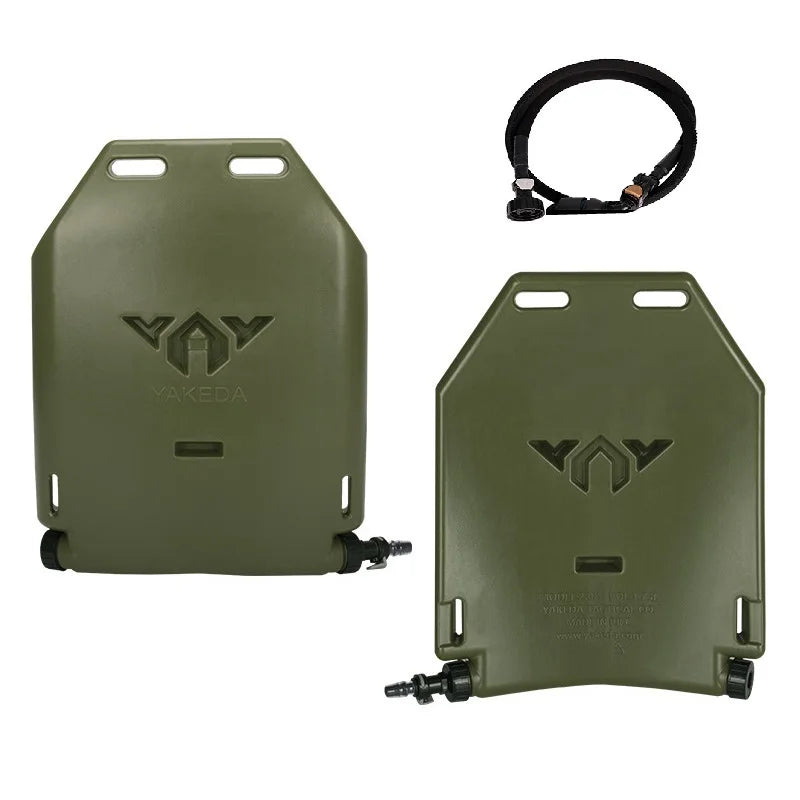
camping water bladder for hot weather hiking 💡 See it in action outdoors
👉 Discover must-have camping gear
Why a Camping Water Bladder Works Better in Heat
A camping water bladder keeps hydration constant without interrupting your movement. With a tube positioned near your shoulder, you sip frequently instead of waiting until you're exhausted—helping regulate body temperature and prevent dehydration.
- Hands-free drinking while hiking uphill
- Encourages small, frequent sips
- Reduces heat stress and fatigue
- Minimizes exposure to dust and contaminants
Compared to bottles, this system works with your movement—not against it.
Real Use Cases on Hot Trails That Change Everything
1. Long Desert Hikes
In dry heat, waiting until you're thirsty is already too late. A hydration bladder allows micro-sipping every few minutes, keeping energy stable.
2. Steep Mountain Climbs
Clipping and unclipping bottles wastes time and breaks rhythm. A tube system lets you hydrate while climbing.
3. Trail Running & Fast Hiking
Speed matters. Bottles bounce, spill, and distract. A bladder stays secure and streamlined.
4. Multi-Day Camping Trips
When paired with Personal Water Filters, you can refill safely and reduce carried weight.
How It Prevents Water Contamination During Outdoor Trips
Water contamination during outdoor trips often comes from repeated exposure—dirty hands, open bottle tops, or shared containers.
A camping water bladder reduces these risks significantly:
- Sealed reservoir limits external exposure
- Bite valve prevents contact contamination
- Less handling compared to bottles
- Compatible with filtration systems
Real example: A hiker in Utah reported fewer stomach issues after switching from bottles to a closed hydration system combined with filtration.
Maintaining Hydration System for Camping Trips Made Easy
Many avoid hydration systems thinking they’re hard to maintain—but modern designs simplify everything.
- Rinse after each trip with warm water
- Air dry completely using hang loops
- Store with cap open to prevent odor
- Use cleaning tablets occasionally
Pairing your setup with Camping Storage & Boxes keeps everything organized and clean between trips.
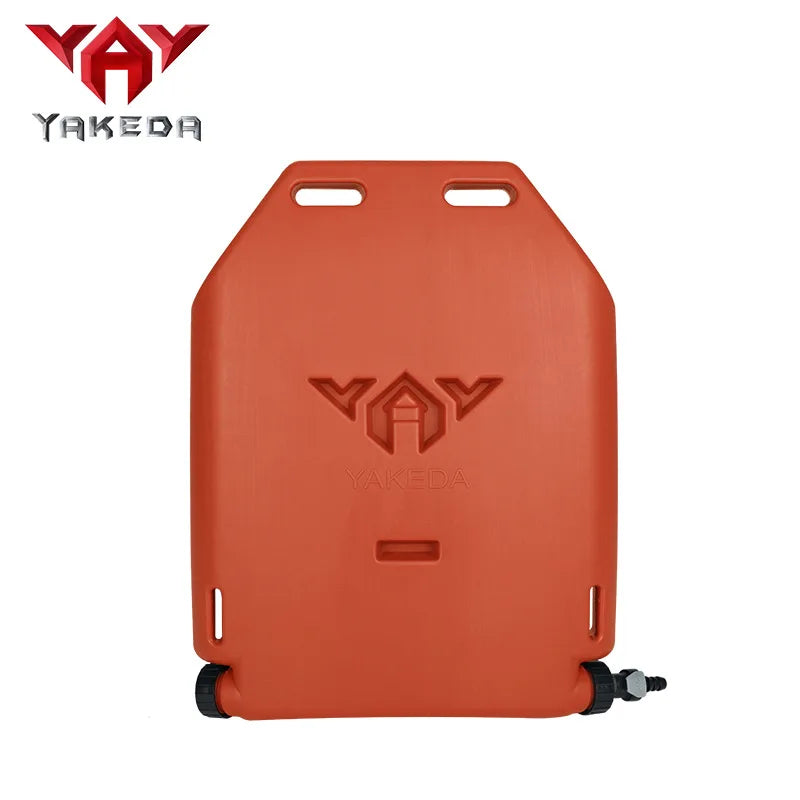
maintaining hydration system for camping trips 💡 See it in action outdoors
👉 Learn how to choose the right hiking gear
Best Way Clean Hydration Tube System (Step-by-Step)
- Fill bladder with warm water and mild soap
- Use a tube brush to scrub inside the hose
- Rinse thoroughly until no residue remains
- Hang upside down to air dry completely
Pro tip: Drying is more important than washing. Moisture leads to mold growth.
For extended trips, consider storing cleaning tools in Gear Organizers & Pouches for easy access.
How to Avoid Water Bottle Spills on Rugged Terrain
Spilled water is more than annoying—it’s dangerous in hot conditions.
Hydration bladders eliminate this issue:
- No loose caps or accidental openings
- Stable inside your backpack
- Even weight distribution
- No need to remove during movement
Compare that to bottles rolling out of side pockets or leaking inside your bag.
Bladder vs Bottle: Which Performs Better in Heat?
| Feature | Camping Water Bladder | Traditional Bottle |
|---|---|---|
| Hydration Frequency | High (hands-free sipping) | Low (manual access) |
| Spill Risk | Minimal | High |
| Contamination Risk | Low | Moderate |
| Convenience | Excellent | Average |
For hot weather hikes, the difference becomes even more noticeable.
Why This Camping Water Bladder Stands Out
A camping water bladder stands out by combining leak-proof design, easy cleaning access, and consistent water flow. It reduces contamination risks, improves hydration habits, and eliminates spills—making it a reliable solution for hot weather hikes and long outdoor trips where efficiency matters most.
- Lightweight yet durable
- Designed for long hikes and heat
- Easy-fill wide opening
- Secure, leak-resistant valve
Explore the full solution here: camping water bladder
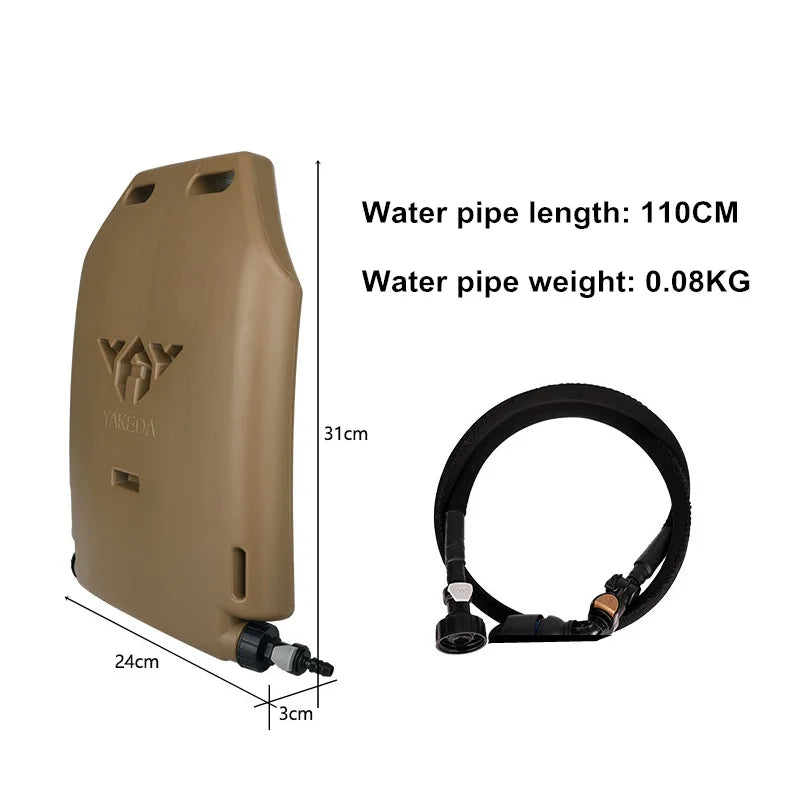
how to avoid water bottle spills with camping water bladder 💡 See it in action outdoors
👉 Get yours now before your next trip!
FAQs
Is a camping water bladder safe for long trips?
Yes, when cleaned properly and paired with filtration if needed, it reduces contamination risk and keeps water fresh longer.
How often should I clean the hydration tube?
After every trip or every few days during extended use. Always dry it completely to prevent mold.
Can it replace water bottles entirely?
For most hikes, yes. Many hikers still carry a small backup bottle for flexibility.
What size is best for hot weather hiking?
Typically 1.5L to 3L depending on trip length, temperature, and refill availability.
Pillar Article: Hydration Backpack Bladder For Runners: Best Fit & Comfort Guide
Other Related Articles:
Explore More:





