

How To Develop Hand Eye Coordination: Simple Daily Practice Guide
How to develop hand eye coordination?
How to develop hand eye coordination starts with simple, consistent practice that trains the brain and body to work together. Activities like catching, tossing, tracking moving objects, and interactive play improve reaction time, accuracy, and focus. Just 10–15 minutes daily can noticeably boost coordination skills for kids and adults alike.
How To Develop Hand Eye Coordination: Simple Daily Practice Guide
⏱ 8 min read
Struggling to keep kids active while also helping them build essential skills? Or wondering why your child drops the ball, misses easy catches, or gets frustrated during playtime? Learning how to develop hand eye coordination doesn’t require complicated routines—just the right activities, tools, and consistency. This guide shows you simple daily practices, outdoor ideas, and fun solutions that turn everyday play into powerful skill-building moments.
What if improving coordination could be as simple as turning playtime into a daily routine? Let’s break it down.
💡 See it in action
Outdoor Games & Toys
Why Strong Coordination Builds Confident Kids
Hand-eye coordination is more than catching a ball. It’s the foundation for everyday tasks like writing, tying shoes, and even reading.
- Improves focus and attention span
- Boosts confidence during group activities
- Supports sports performance and physical health
- Reduces frustration during learning tasks
Kids who struggle with coordination often avoid physical activities. That avoidance creates a cycle of low confidence and slower development. The solution? Make practice feel like play.
Step-by-Step: How to Develop Hand Eye Coordination Daily
How to develop hand eye coordination effectively involves short, consistent practice sessions that challenge visual tracking, timing, and movement control. By combining simple games, repetition, and gradual difficulty increases, children build faster reflexes, stronger focus, and better motor skills without feeling overwhelmed or bored.
- Start simple: Use large, slow-moving objects like balloons
- Build consistency: Practice 10–15 minutes daily
- Increase difficulty: Switch to smaller or faster objects
- Mix activities: Combine throwing, catching, and tracking
- Keep it fun: Turn exercises into games
Consistency matters more than intensity. A few minutes every day beats long, irregular sessions.
Easy Daily Exercises That Actually Work
1. Balloon Tap Game
Perfect for beginners. Kids tap a balloon in the air without letting it drop.
- Improves timing and visual tracking
- Safe for indoor and outdoor play
- Great for all ages
2. Toss and Catch Progression
Start with two hands, then progress to one hand.
- Begin with soft balls
- Gradually increase speed and distance
- Add movement for advanced levels
3. Target Throw Challenge
Set up buckets or targets at different distances.
- Builds precision and control
- Encourages problem-solving
- Adds excitement with scoring systems
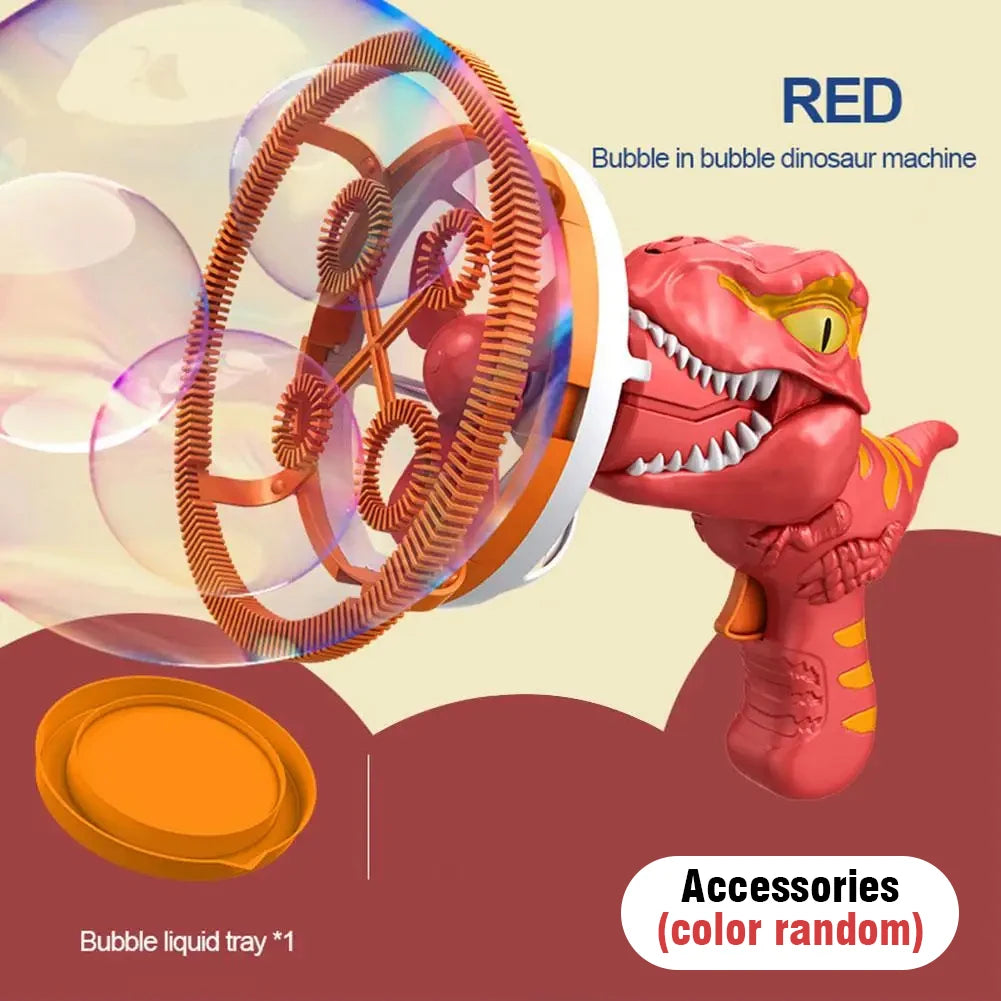
4. Bubble Tracking Fun
Blowing bubbles creates unpredictable movement patterns.
- Enhances reaction speed
- Encourages chasing and reaching
- Perfect for younger children
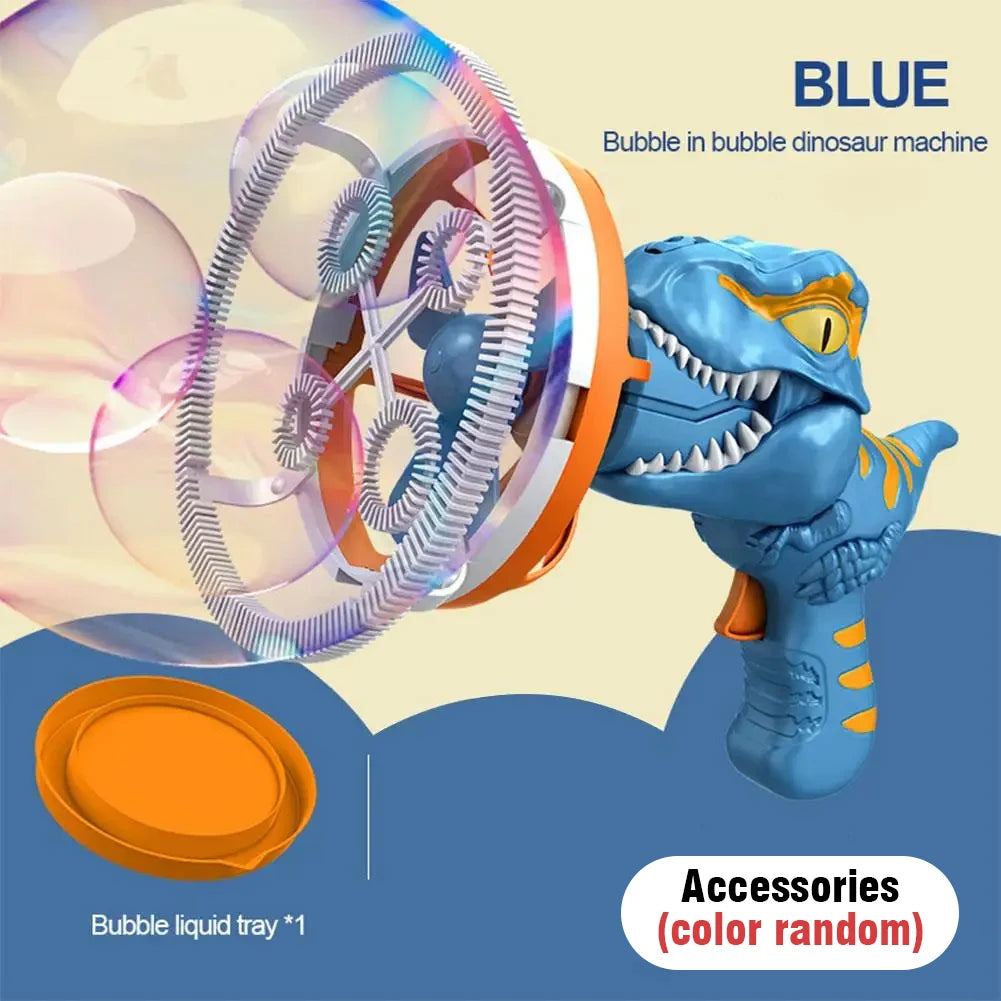
2-in-1 Dinosaur Bubble Gun
Outdoor Party Games for Family That Boost Coordination
Outdoor party games for family gatherings are one of the easiest ways to improve coordination without structured training.
- Water balloon toss: Improves timing and teamwork
- Relay races: Builds speed and coordination under pressure
- Obstacle courses: Combines balance, movement, and focus
- Frisbee games: Enhances tracking and catching skills
These games also double as memorable bonding experiences. Kids learn faster when they’re having fun.
For organized setups, explore Family, Kids & Group to simplify planning and keep everyone engaged.
Quick Comparison: Game Types vs Benefits
| Game Type | Skill Developed | Best Age |
|---|---|---|
| Ball Toss | Timing & Accuracy | 5+ |
| Bubble Play | Tracking & Reaction | 3+ |
| Obstacle Course | Full-body Coordination | 6+ |
| Frisbee | Focus & Movement | 7+ |
💡 See it in action
Toys That Encourage Active Play and Faster Progress
The right tools can make a big difference. Instead of forcing practice, they naturally encourage repetition.
- Interactive bubble toys for tracking movement
- Soft balls for safe catching practice
- Lightweight rackets for beginners
- Target games for precision training
Explore more options in Outdoor Games & Toys to create a complete play setup.
Why Bubble-Based Play Works So Well
Bubbles move unpredictably, forcing the brain to constantly adjust. This builds faster neural connections between vision and movement.
- Encourages quick reactions
- Reduces pressure compared to structured drills
- Keeps kids engaged longer
Parents often notice improvements within just a few days of consistent play.
Family Outdoor Bundles
Common Mistakes That Slow Progress
Even with good intentions, some habits can limit improvement.
- Too much difficulty too soon: Leads to frustration
- Inconsistent practice: Slows skill development
- Lack of variety: Causes boredom
- Ignoring fun: Reduces motivation
Keep sessions short, engaging, and slightly challenging.
Safe Outdoor Play Tips for Kids
Safety ensures kids can play freely without risk.
- Use soft, lightweight equipment
- Choose open, obstacle-free spaces
- Stay hydrated during active play
- Use protective gear when needed
Browse Safety Gear for Kids for added peace of mind.
For longer outdoor sessions, consider comfort essentials from Picnic Mats & Blankets to create a safe and comfortable play zone.
How to Track Progress Without Pressure
Tracking progress doesn’t need to feel like a test.
- Count successful catches over time
- Increase target distance gradually
- Observe confidence during play
- Celebrate small wins
Parents often report noticeable improvements within 2–3 weeks of daily practice.
💡 See it in action
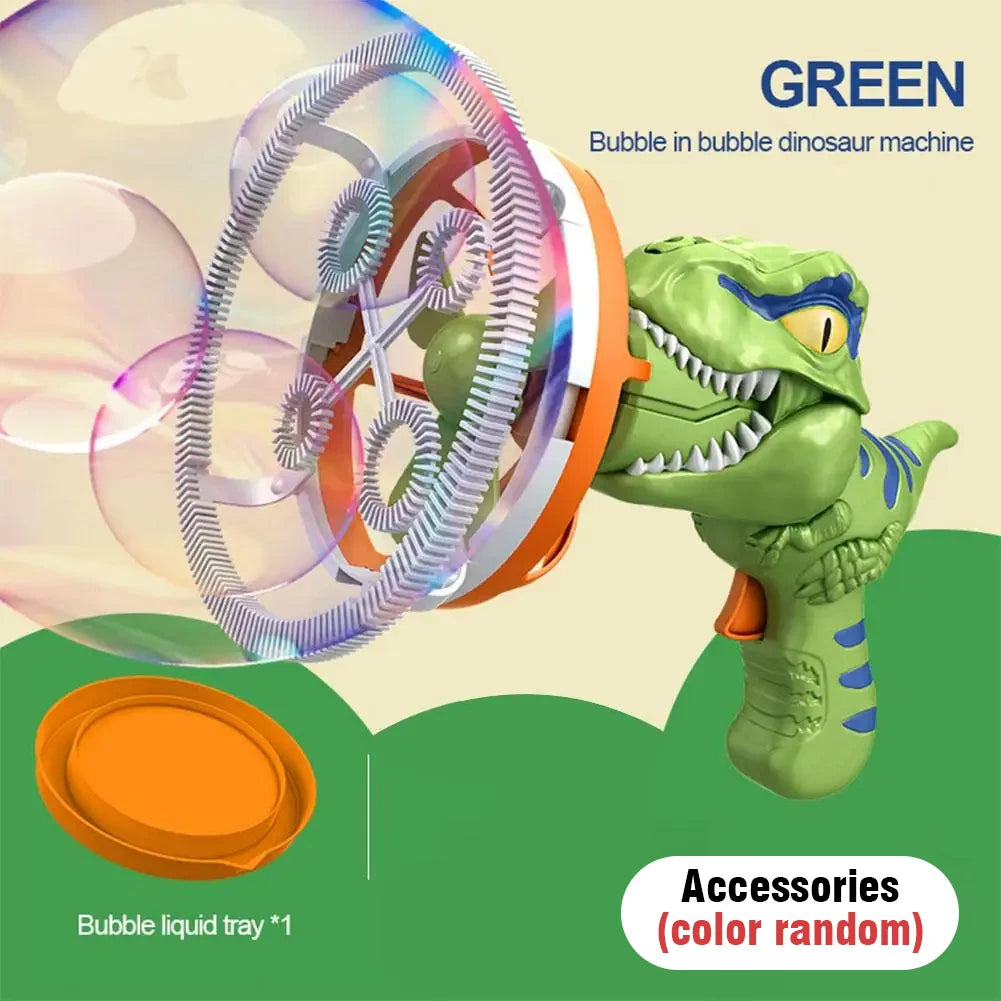
2-in-1 Dinosaur Bubble Gun
FAQ
What age should kids start coordination exercises?
Children can begin simple coordination activities as early as age 2–3 using safe, playful exercises like bubble tracking and balloon tapping.
How long does it take to improve hand eye coordination?
With daily practice, noticeable improvements can appear within 2–4 weeks, depending on consistency and activity type.
Are outdoor games better than indoor practice?
Outdoor games offer more space and variety, making them highly effective for developing coordination while keeping kids engaged.
What are the best ways to improve hand eye coordination quickly?
Short, daily sessions using fun activities like catching, tracking, and target games provide the fastest and most sustainable results.
Do toys really help improve coordination?
Yes, especially toys that involve movement and tracking. They encourage repetition without making practice feel like work.
Related Articles:
- Toys For Active Play: How To Choose And Use Them Effectively
- Outdoor Party Games For Family: How To Organize Step-By-Step
- Portable Bubble Machines: How To Set Up And Use For Parties
- Active Toys For 5 Year Olds: How To Use Them For Daily Active Play
Pillar Articles:
- Outdoor Party Ideas: Honest Reviews And Real User Experiences That Help You Choose
- Toys For Active 1 Year Olds: What Works For Safe Sensory Play And Daily Energy Use
- Large Outdoor Games For Families: Features That Make Group Play Effortless
- Best Family Outdoor Games: Top Picks Compared For Every Group





