

Organize Kids School Lunch Containers In 5 Easy Steps
How do you organize kids school lunch containers efficiently?
To organize kids school lunch containers, use a consistent system with a double compartment kids lunch container, prep meals in advance, and group similar foods together. Label containers, assign a weekly lunch rotation, and store everything in one accessible place. This reduces morning stress, keeps food fresh in lunchbox, and ensures faster, more balanced meal packing daily.
⏱ 5 min read
Organize Kids School Lunch Containers In 5 Easy Steps
Struggling every morning to find matching lids, pack balanced meals, and avoid food spilling in your child’s backpack? If lunch prep feels chaotic before school even starts, you’re not alone. What if a simple system could make everything faster, cleaner, and more predictable—while still keeping meals fun and fresh?
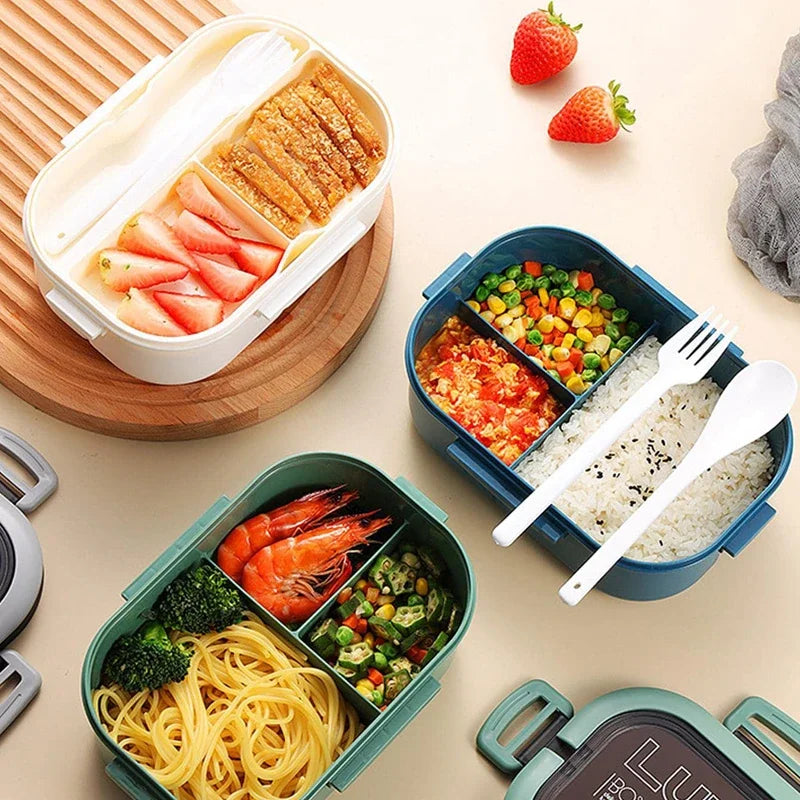
💡 See it in action
Step 1: Choose the Right Lunch Container System
The foundation of smooth lunch packing starts with choosing the right container system. A well-designed double compartment kids lunch container helps separate fruits, proteins, and snacks without mixing flavors. This reduces spills and makes meals more appealing for picky eaters.
- Separate wet and dry foods easily
- Encourage balanced portion control
- Reduce the need for multiple small boxes
- Make cleanup faster for busy parents
For a reliable option, explore this practical solution: Insulated Food Containers designed for daily school use.
Step 2: Create a Weekly Lunch Prep Routine
Consistency removes morning chaos. Instead of deciding lunch ideas daily, plan a rotating weekly menu. This reduces decision fatigue and helps you shop more efficiently while ensuring variety for your child.
- Plan 3–5 repeatable lunch combinations
- Pre-chop fruits and vegetables in advance
- Batch-cook proteins like chicken or eggs
- Store ingredients in labeled containers
Many parents find success combining this routine with meal prep ideas for bento lunch, which keeps lunches fun and visually appealing for kids.
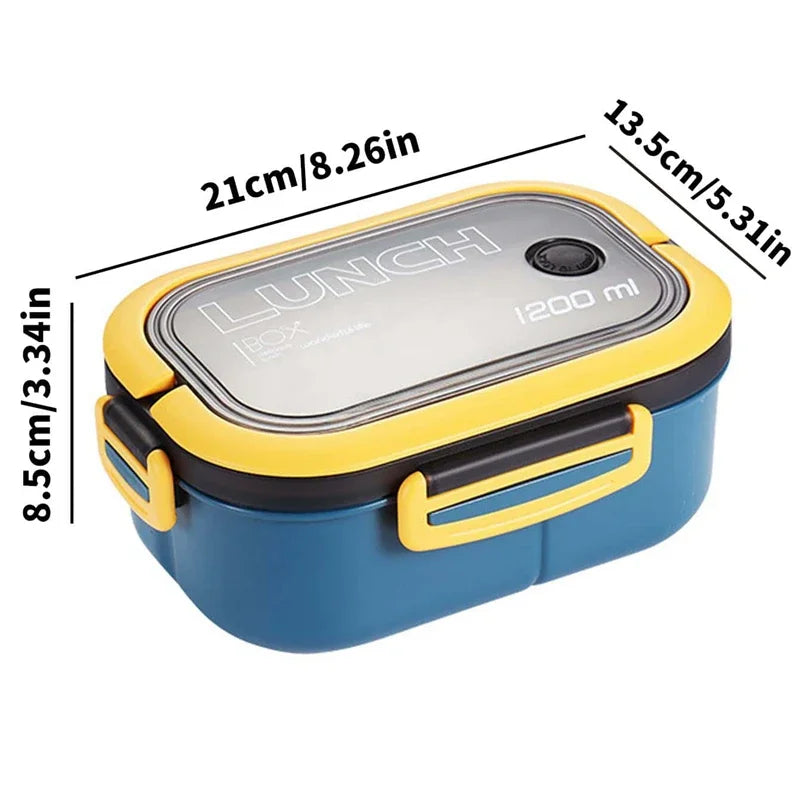
💡 See it in action
Step 3: Organize Ingredients for Fast Assembly
Speed matters on school mornings. Grouping ingredients by category in your fridge and pantry can cut lunch prep time in half. Think of it as a “grab-and-pack” system.
| Category | Examples | Storage Tip |
|---|---|---|
| Proteins | Eggs, chicken, cheese | Use sealed containers |
| Fruits | Apple slices, berries | Pre-wash and portion |
| Snacks | Crackers, nuts | Keep in dry bins |
Pairing this system with lunch packing tips for busy parents ensures you never scramble in the morning again.
Step 4: Keep Food Fresh and Safe
One of the biggest concerns parents face is how to keep food fresh in lunchbox containers until lunchtime. Temperature control and proper sealing make all the difference.
- Use insulated or leakproof containers
- Add ice packs for perishables
- Avoid overfilling containers
- Store dressings separately
A smart container system helps maintain freshness while preventing soggy sandwiches or spoiled snacks.
Step 5: Build a Morning Packing Flow
A predictable morning routine is key to staying consistent. Once everything is prepped, packing should take less than 10 minutes.
- Open pre-prepped fridge section
- Select protein, fruit, and snack
- Assemble into lunch container compartments
- Place into backpack-ready storage zone
This flow reduces decision overload and ensures nothing is forgotten. Over time, kids can even join in and learn responsibility.
Advanced Lunch Organization Tips for Busy Families
Once the basics are in place, small upgrades can make lunch prep even smoother. These simple habits help maintain long-term consistency.
- Assign each child a color-coded lunch system
- Rotate lunch themes weekly to avoid boredom
- Keep a backup snack drawer for emergencies
- Use stackable storage boxes to save fridge space
For families who travel or picnic often, pairing your system with Picnic Mats & Blankets or Family Outdoor Bundles makes outings even easier and more organized.
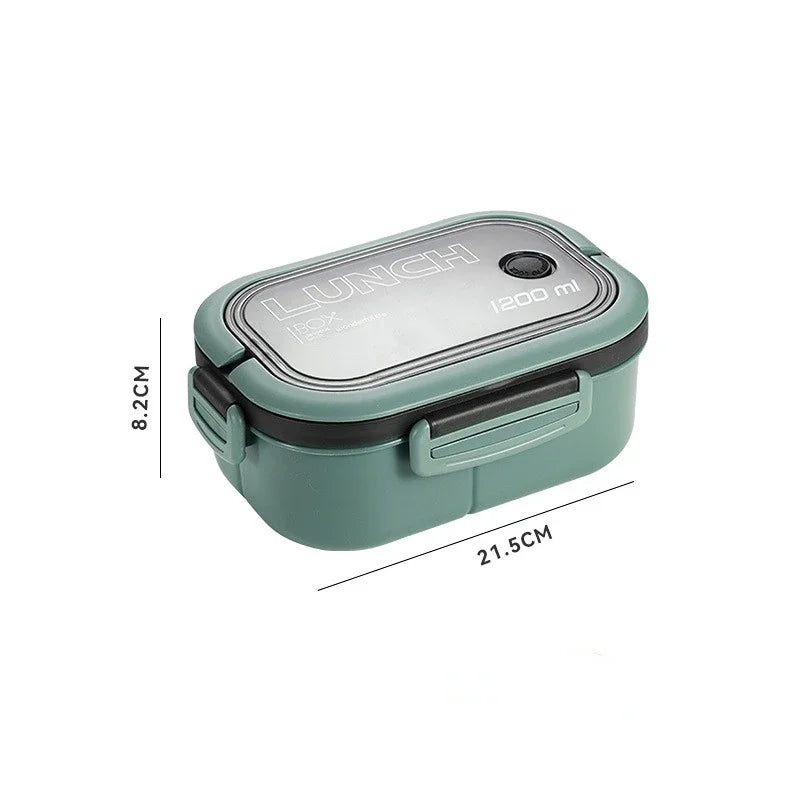
💡 See it in action
Why a Simple Lunch System Changes Everything
A structured lunch system does more than save time—it reduces stress, improves nutrition balance, and makes mornings calmer for the whole family. Instead of rushing, you move with a plan that supports healthier habits and happier kids.
Parents often notice fewer forgotten items, less food waste, and more consistent eating habits once they switch to an organized approach.
Frequently Asked Questions
How can I start organizing kids school lunch containers quickly?
Begin with a simple system: choose a compartment-style container, plan a weekly menu, and store ingredients in labeled sections. This makes daily packing faster and reduces confusion during busy mornings.
What is the best way to keep food fresh in lunchbox containers?
Use insulated containers, add ice packs for cold foods, and store wet ingredients separately. Proper sealing also prevents leaks and keeps meals fresh until lunchtime.
Are bento-style lunches good for kids?
Yes, bento-style lunches encourage balanced portions and variety. They also make meals visually appealing, which can help picky eaters try new foods more easily.
How long should lunch prep take each day?
With a proper system, daily lunch packing should take under 10 minutes. Most of the work is done during weekly prep sessions.
What tools help simplify lunch organization?
Stackable containers, compartment lunch boxes, and labeled storage bins are the most effective tools for maintaining an organized lunch routine.
Organizing school lunches doesn’t have to be complicated. With the right system, small daily actions create a smoother routine that benefits both parents and kids.
Pillar Article: How To Pack Bento Lunchbox: Simple Step-By-Step Guide
Other Related Articles:
- Plastic Vs Stainless Lunch Boxes Kids: How To Choose Right
- Are Bento Boxes Microwave Safe? How To Use Them Safely
- How To Prevent Lunch Leaks In Backpack Fast And Easy
Explore More:





