

Nonstick Camping Cookware: Why It Beats Traditional Sets
Nonstick Camping Cookware: Why It Beats Traditional Sets
⏱ 11 min read
Nonstick camping cookware helps campers cook faster, use less water, and avoid frustrating cleanup after outdoor meals. Compared with heavier traditional cookware, modern nonstick sets improve portability, reduce sticking, and simplify messy camping meal cleanup outdoors. Lightweight designs also save valuable backpack space while making outdoor cooking more enjoyable for solo campers, couples, and families.
Does nonstick camping cookware really make outdoor cooking easier?
Yes. Nonstick camping cookware reduces food sticking, cuts cleanup time, and uses less water during outdoor cooking. Lightweight coatings also improve heat distribution and portability compared with bulky traditional cookware, making meals faster and easier during hiking trips, car camping weekends, and multi-day outdoor adventures.
After a long hike, nobody wants to spend 40 minutes scrubbing burnt food off heavy pans in the dark. What gear actually makes camping easier? For many outdoor travelers, the answer starts with smarter cookware.
Traditional camping cookware often creates avoidable problems: uneven heating, sticky surfaces, bulky storage, and exhausting cleanup. Nonstick camping cookware changes that experience completely by making outdoor meals quicker, cleaner, and less stressful.
Whether you enjoy car camping, weekend state park trips, family campouts, or lightweight backpacking, upgrading your cooking setup can dramatically improve comfort outdoors.
👉 Discover must-have camping gear for easier outdoor meals and smarter packing.
Camping Stoves & Cooking | Outdoor Cookware | 22-Piece Outdoor Camping Tableware Set
💡 See it in action
Why More Campers Are Switching to Nonstick Cookware
Nonstick cookware has evolved far beyond fragile kitchen pans. Modern outdoor-ready sets are designed specifically for rough terrain, compact storage, and fast cooking under unpredictable conditions.
Campers today want equipment that saves time and energy. Lightweight cookware matters because every extra pound affects comfort during transport, setup, and cleanup.
Key reasons campers prefer nonstick cookware
- Food releases easily with less oil or butter
- Cleanup requires less water outdoors
- Lightweight materials reduce pack weight
- Compact nesting designs save space
- Cooking is faster with even heat distribution
- Less scrubbing protects campsite water resources
Campers dealing with messy camping meal cleanup outdoors quickly notice the difference after switching from old steel pots or bulky cookware kits.
| Feature | Traditional Cookware | Nonstick Camping Cookware |
|---|---|---|
| Weight | Often heavy and bulky | Lightweight and compact |
| Cleanup Time | Long scrubbing required | Quick wipe cleaning |
| Water Usage | Higher | Minimal |
| Food Sticking | Common issue | Rare with proper use |
| Packing Efficiency | Poor | Nesting storage design |
Many outdoor travelers pair their cookware with organized storage systems from Camping Storage & Boxes to reduce packing stress before trips.
How Nonstick Surfaces Simplify Cleanup Outdoors
Nonstick camping cookware dramatically reduces stuck-on residue, which is one of the biggest frustrations during camping trips. That matters even more when water access is limited.
Burnt cheese, eggs, rice, oatmeal, and sticky sauces are difficult to remove from traditional cookware outdoors. Nonstick coatings prevent these foods from bonding tightly to the cooking surface.
Why easier cleanup matters during camping trips
- Less water is needed for washing dishes
- Campers spend less time scrubbing cookware
- Cooking areas stay cleaner and safer
- Food odors are easier to manage overnight
- Cleanup becomes faster during bad weather
Imagine cooking breakfast during a cold mountain morning. Pancakes stick to old metal cookware, forcing you to scrape burnt batter while your coffee gets cold. With nonstick cookware, cleanup takes minutes instead of ruining the start of your day.
Campers using portable water systems from Collapsible Water Bottles and Personal Water Filters especially benefit from low-water cleanup solutions.
“We switched to a lightweight nonstick set last summer and honestly spent more time relaxing around the fire instead of washing dishes.” — Colorado weekend camper
Stainless Steel vs Plastic Camping Dishes vs Nonstick Sets
Nonstick camping cookware balances lightweight portability with cooking performance better than many traditional materials. Understanding the strengths and weaknesses of each option helps campers choose the right setup for their style of travel.
The debate around stainless steel vs plastic camping dishes often overlooks the importance of actual cooking efficiency.
Stainless steel cookware advantages
- Very durable over time
- Handles high heat well
- Scratch resistant
Stainless steel cookware disadvantages
- Food sticks easily
- Heavier to transport
- Requires more cleaning effort
Plastic camping dishes advantages
- Very lightweight
- Affordable
- Easy for families and kids
Plastic camping dishes disadvantages
- Cannot handle direct cooking heat
- Can stain or absorb odors
- Less durable long term
Why nonstick cookware often wins
- Combines lightweight portability with cooking performance
- Improves cooking consistency
- Requires minimal cleanup effort
- Supports compact nesting designs
| Cooking Material | Best Use Case | Main Drawback |
|---|---|---|
| Stainless Steel | Durability and high heat cooking | Heavy and difficult cleanup |
| Plastic Dishes | Eating and food serving | Cannot cook directly |
| Nonstick Cookware | Fast, efficient outdoor cooking | Requires proper utensil care |
Many campers combine nonstick cookware with storage systems from Food Storage Bags & Containers for more organized meal prep.
👉 Learn how to choose the right hiking and camping kitchen gear before your next trip.
Backpacking & Carry | Lightweight Daypacks | 22-Piece Outdoor Camping Tableware Set
Tips for Lightweight Camping Kitchen Setup
One of the biggest advantages of nonstick camping cookware is how easily it fits into a minimalist outdoor kitchen setup.
Lightweight camping setups improve mobility, reduce fatigue, and make packing less chaotic. This matters whether you hike into backcountry campsites or organize family car camping gear.
Tips for building a lightweight camp kitchen
- Choose nesting cookware sets to save space
- Use collapsible water storage systems
- Carry multipurpose utensils instead of duplicates
- Pack compact food containers
- Use lightweight burners and fuel systems
- Store cooking tools in waterproof organizers
Smart campers often build complete cooking systems around compact cookware rather than oversized kitchen gear.
Gear organizers from Gear Organizers & Pouches and compact storage solutions from Compression & Packing Bags help reduce clutter during travel.
What should a basic camping kitchen include?
- Nonstick pot and pan set
- Compact stove system
- Foldable utensils
- Insulated food container
- Water filtration system
- Storage bags for leftovers
- Portable lighting for cooking at night
Outdoor lighting also improves meal preparation safety after sunset. Many campers use products from Tent & Camping Lanterns and Headlamps & Wearable Lights while cooking.
💡 See it in action
Which Nonstick Features Actually Matter Outdoors?
Nonstick camping cookware performs best when designed specifically for outdoor conditions. Some features matter far more than flashy marketing claims.
Campers comparing cookware technologies should focus on durability, portability, and real-world cooking performance.
Features worth prioritizing
- Scratch-resistant coating durability
- Heat-efficient aluminum construction
- Compact nesting handles
- Lightweight carrying bags
- Quick-heating base surfaces
- Easy-pour pot designs
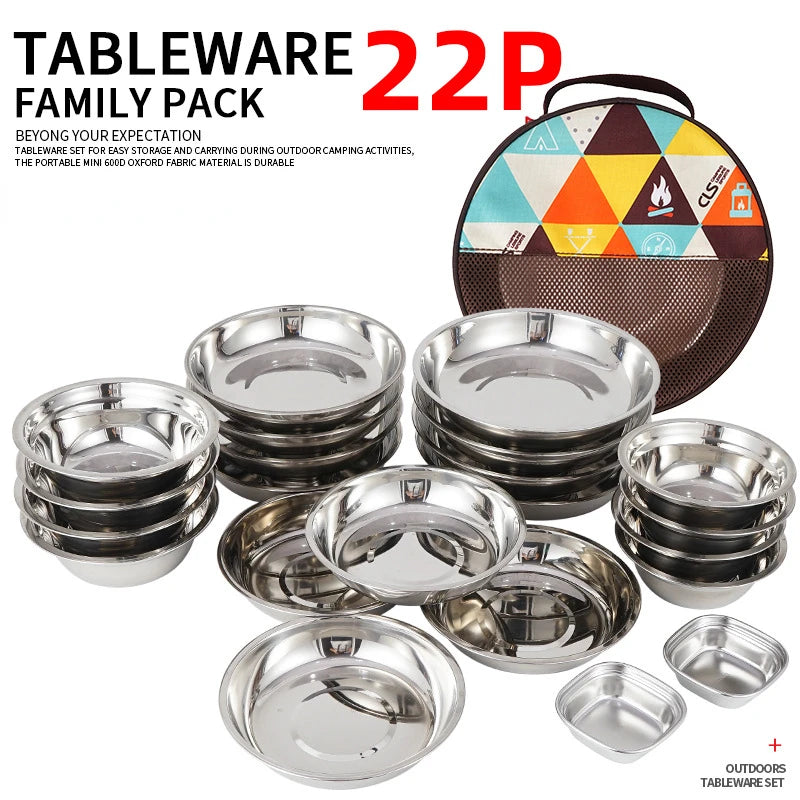
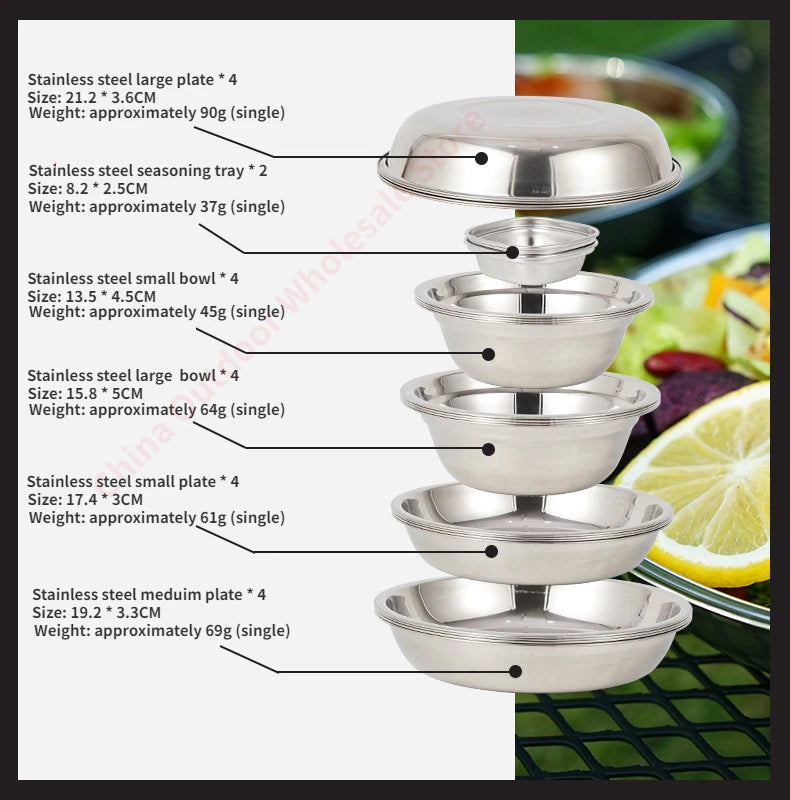
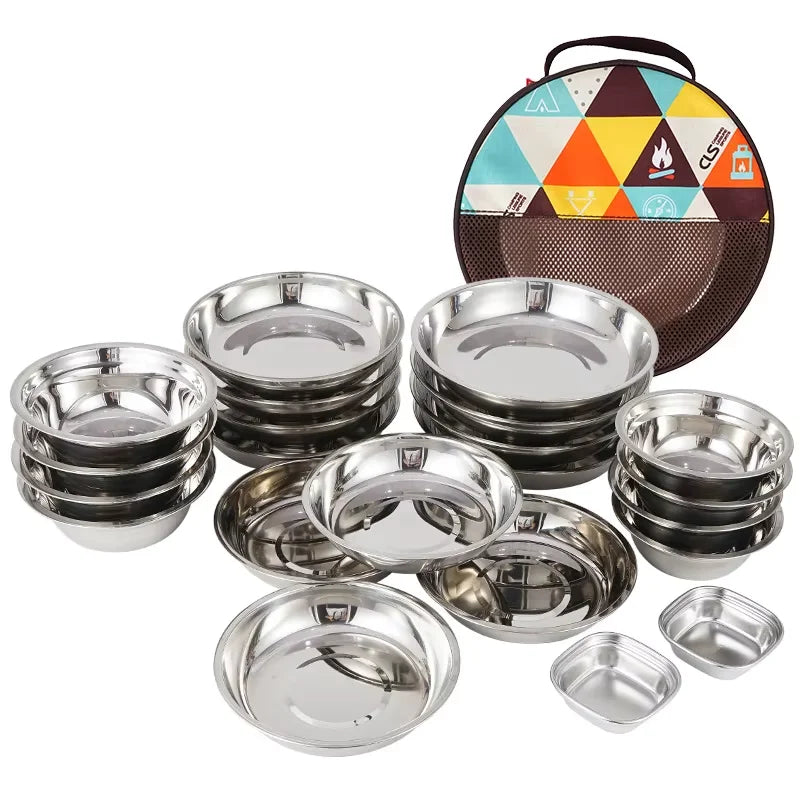
The 22-Piece Outdoor Camping Tableware Set is popular because it combines portability with organized storage, helping campers simplify cooking and cleanup without carrying bulky kitchen equipment.
Why compact nesting designs matter
Nesting cookware dramatically reduces wasted storage space inside vehicles or backpacks. This becomes especially important during road trips where gear organization affects daily comfort.
Campers often combine cookware with storage systems from Car Organizers & Storage and travel-friendly accessories from Foldable Travel Gear.
“Our old cookware filled half the trunk. The newer nesting setup freed enough room for extra sleeping gear and emergency supplies.” — Arizona road trip camper
Best Way Clean Camping Dishes Outdoors
The best way clean camping dishes outdoors starts with reducing food buildup before it hardens. Nonstick cookware helps tremendously because residue wipes away faster with minimal water.
Efficient cleaning also protects campsites by minimizing wastewater and food scraps around cooking areas.
Best outdoor dish cleaning process
- Wipe cookware immediately after eating
- Use biodegradable soap sparingly
- Heat small amounts of water for easier cleaning
- Scrape leftovers into trash bags first
- Air dry cookware completely before packing
Campers who wait until morning to clean cookware often face hardened food residue and stronger odors attracting insects or wildlife.
| Cleaning Method | Water Usage | Cleanup Speed |
|---|---|---|
| Traditional Steel Pan | High | Slow |
| Nonstick Cookware | Low | Fast |
| Disposable Plates | Very Low | Fast but wasteful |
Campers focused on sustainable cleanup often use water solutions from Hydration & Food and weather-resistant storage from Waterproof & Dry Bags.
Real Outdoor Cooking Scenarios Where Nonstick Wins
Nonstick cookware shines most during realistic outdoor situations where convenience directly affects comfort and energy levels.
Cold weather camping
In freezing temperatures, scrubbing frozen pans becomes miserable. Nonstick cookware speeds cleanup before hands become numb or water freezes.
Winter campers often combine lightweight cooking setups with products from Wind & Cold Protection and Blankets & Sleeping Comfort.
Family camping trips
Families preparing multiple meals daily benefit from cookware that reduces cooking stress. Parents can spend more time with children instead of managing constant cleanup.
Many family campers also rely on Group Picnic Accessories and Family Outdoor Bundles.
Backpacking adventures
Every ounce matters during long hikes. Lightweight nonstick cookware reduces pack weight while simplifying cooking in remote areas.
Backpackers commonly pair cookware with Hooks, Clips & Carabiners and Lightweight Daypacks.
Rainy weather cooking
Fast cleanup becomes essential during storms. Nonstick cookware allows campers to clean quickly and move gear under shelter before weather conditions worsen.
Wet-weather campers often use Rain Ponchos & Capes and Ground Sheets & Tarps to protect cooking areas.
Common Mistakes Campers Make With Traditional Cookware
Many outdoor travelers assume all cookware performs similarly. In reality, poor cookware choices create avoidable frustration throughout trips.
Common camping cookware mistakes
- Bringing oversized kitchen cookware from home
- Using heavy stainless steel for backpacking
- Ignoring nesting storage efficiency
- Packing too many duplicate utensils
- Using difficult-to-clean cookware in low-water campsites
Traditional cookware also increases fuel usage because stuck food often requires reheating water for cleaning.
Smart campsite organization using Camping & Picnic gear and portable storage systems from Car Camping Accessories improves efficiency significantly.
Camping Kitchen Packing Checklist
A lightweight and organized cooking setup helps reduce stress before and during outdoor trips.
Recommended camping kitchen essentials
- Nonstick cookware set
- Portable camping stove
- Reusable utensils
- Compact cutting board
- Food storage containers
- Water filtration system
- Headlamp or lantern
- Trash disposal bags
- Emergency fire starter
- Portable table or cooking surface
Outdoor cooks frequently improve campsite comfort with Folding Chairs & Tables and backup tools from Fire Starters & Ignition.
Travelers preparing multi-day adventures often keep meals fresher using Insulated Food Containers.
👉 Get yours now before your next trip and simplify every outdoor meal.
22-Piece Outdoor Camping Tableware Set | Outdoor Cookware | Camping & Picnic
💡 See it in action
Is Nonstick Camping Cookware Worth Buying?
Nonstick camping cookware is worth buying for campers who value easier cleanup, lighter gear, and more efficient outdoor cooking. Compared with traditional cookware, modern nonstick sets improve portability, reduce water usage, and simplify meal preparation during hiking trips, family campouts, and long road adventures.
The biggest advantage is not just convenience. It is the ability to spend more time enjoying the outdoors instead of fighting with heavy gear and difficult cleanup.
Campers who invest in better cooking systems often notice immediate improvements in trip comfort, organization, and energy levels.
Whether you are planning weekend campouts, cross-country road trips, or lightweight backpacking adventures, upgrading to a modern nonstick setup can make every meal easier and more enjoyable.
FAQ
What is the biggest advantage of nonstick camping cookware?
The biggest advantage is easier cleanup. Nonstick surfaces reduce stuck food and require less water, which is extremely helpful during outdoor camping trips.
Is nonstick camping cookware safe for outdoor cooking?
Yes. Most modern outdoor cookware is designed for camping temperatures and portable stove systems when used properly according to manufacturer guidelines.
How do I prevent scratches on nonstick cookware?
Use wooden, silicone, or plastic utensils instead of metal tools. Proper storage also helps protect coatings during transport.
Is nonstick cookware better than stainless steel for camping?
For lightweight travel and easy cleanup, many campers prefer nonstick cookware. Stainless steel remains useful for durability and high-heat cooking.
What is the best way clean camping dishes outdoors?
Clean dishes immediately after eating, use minimal biodegradable soap, and wipe cookware before washing to reduce water usage and cleanup effort.
Can lightweight cookware still be durable?
Yes. Many modern aluminum and coated camping cookware systems balance low weight with strong durability for repeated outdoor use.
Related Articles:
- Camping Cookware Set For 4: Features That Improve Camp Cooking
- Stainless Steel Camping Coffee Pots: Better Brewing On Trips
Pillar Articles:





