

Camping Tips Cold Weather: Best Gear Choices For Different Body Needs
Featured Answer:
What are camping tips cold weather for staying warm?
Camping tips cold weather focus on layering clothing, improving sleeping insulation, and reducing heat loss inside your tent. The best results come from combining body-heat retention strategies with smart gear choices like insulated pads and thermal sleeping systems. Proper food intake and moisture control also play a major role in maintaining warmth overnight outdoors.
Camping Tips Cold Weather: Best Gear Choices For Different Body Needs
⏱ 7 min read — Cold nights in the wild can feel magical or miserable depending on your preparation. Have you ever woken up shivering at 2 AM, wondering what went wrong even though you packed “enough” gear? The truth is, staying warm isn’t about carrying more—it’s about choosing smarter insulation and matching gear to how your body actually loses heat.
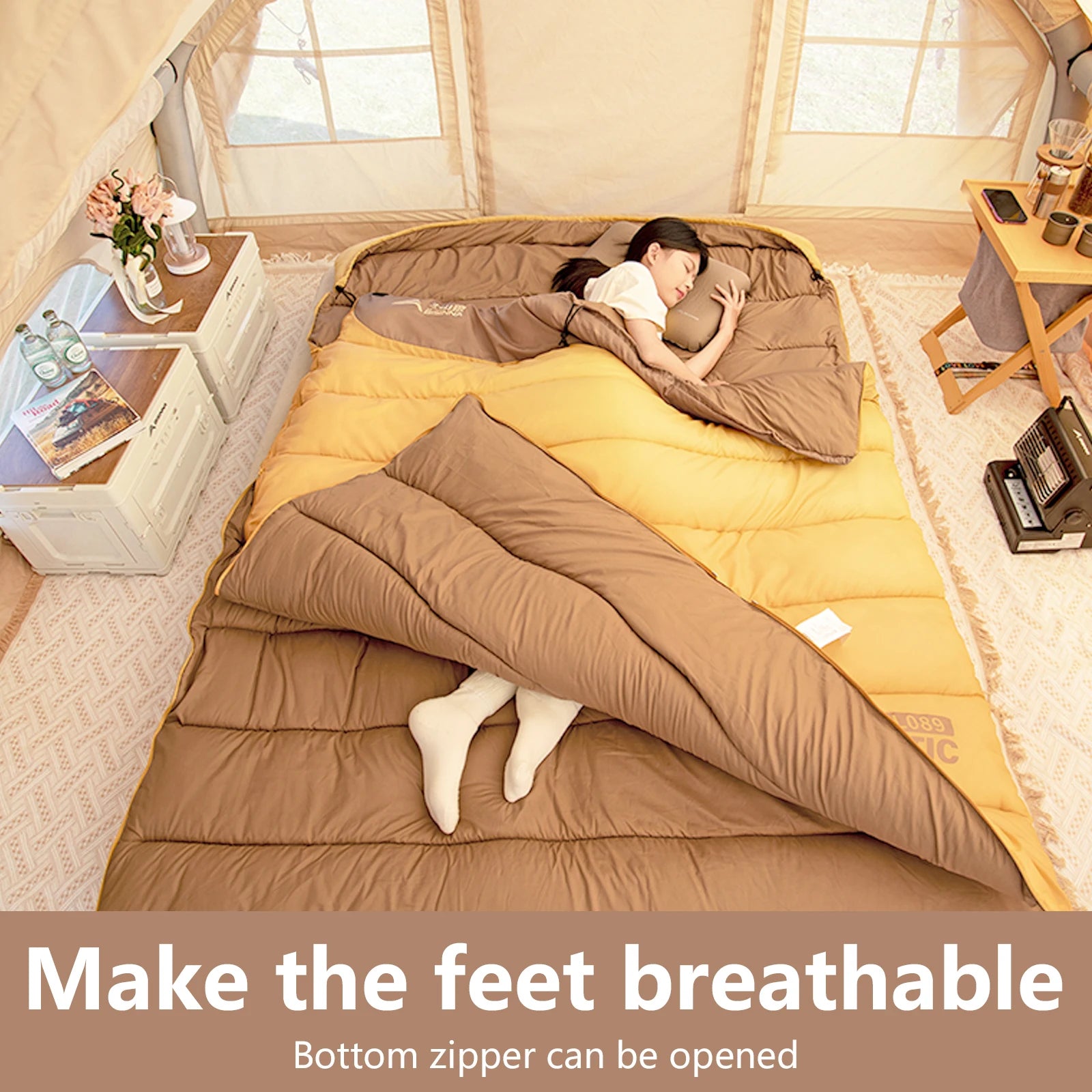
💡 See it in action
Camping tips cold weather: essential warmth strategy
Camping tips cold weather work best when you treat warmth as a system, not a single item. Your body loses heat through ground contact, airflow, and moisture buildup. Addressing all three with insulation layers, dry clothing, and wind protection creates a stable sleep environment even in freezing conditions outdoors.
- Block ground cold with insulated sleeping pads
- Use layered clothing instead of one heavy jacket
- Keep sleeping gear dry at all times
- Reduce tent airflow without sealing moisture inside
Many campers underestimate how quickly body heat escapes through the ground. A well-insulated sleep setup paired with the Sleeping Bags & Sleeping Pads collection can dramatically improve comfort, especially for side sleepers or people who feel cold easily.
| Body Type | Common Issue | Best Fix |
|---|---|---|
| Cold-sensitive sleepers | Lose heat fast at night | Extra insulation layer under sleeping bag |
| Active campers | Sweat then chill quickly | Moisture-wicking base layers |
| Kids & teens | Smaller bodies cool faster | Shared warmth + insulated pads |
Quick warmth checklist
- Dry base layers before sleeping
- Warm meal before bedtime
- Pre-warm sleeping bag if possible
- Seal drafts without trapping moisture
Ways to improve tent warmth retention
Improving tent warmth retention is about controlling airflow and maximizing internal heat reflection. Even a good tent can feel cold if air circulates too freely or if heat escapes through thin fabric. Strategic placement, insulation layering, and interior organization make a noticeable difference overnight.
Campers often report that repositioning gear inside the tent alone can raise perceived temperature by several degrees. Using wind barriers and proper site selection near natural cover helps reduce heat loss significantly in open environments.
- Set up tents behind natural wind shields
- Use ground tarps to block cold soil transfer
- Keep sleeping area centralized inside tent
- Minimize opening/closing of tent doors at night
Camping insulation tips for cold weather
Camping insulation tips for cold weather focus on layering materials between your body and the environment. This includes ground insulation, body insulation, and air insulation inside the tent. Each layer reduces heat transfer, helping your body maintain stable temperature throughout the night even in freezing conditions.
Think of insulation like a shield system. Each layer slows down heat loss, especially when combined correctly. Families camping together often notice the biggest improvement when upgrading sleeping pads and adding thermal blankets.
Best insulation methods for different needs
- Solo campers: compact insulated sleeping pads
- Couples: shared sleeping systems for heat retention
- Families: layered blankets + wind protection zones
- Cold-sensitive users: reflective liners under sleeping bags
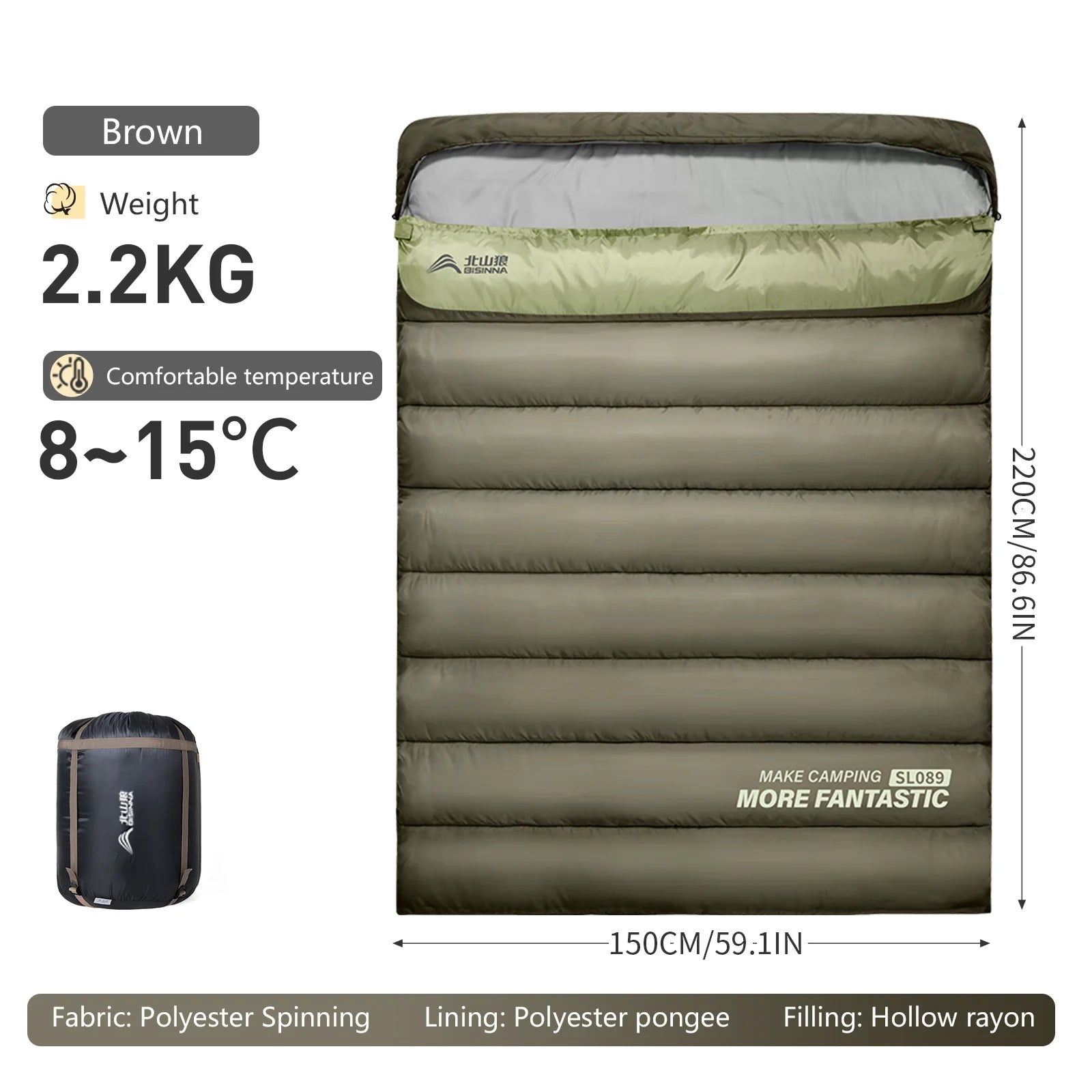
💡 See it in action
Many campers upgrading to structured insulation systems from Wind & Cold Protection notice improved sleep quality and fewer midnight wake-ups due to cold spots.
| Insulation Layer | Purpose | Effect |
|---|---|---|
| Ground layer | Blocks cold soil | Prevents heat loss from below |
| Body layer | Clothing + sleeping bag | Retains personal heat |
| Air layer | Tent interior space | Stabilizes temperature |
How to stay warm camping nights
How to stay warm camping nights depends on managing energy, hydration, and heat distribution. Your body produces warmth naturally, but it must be preserved through proper nutrition, dry clothing, and strategic movement before sleep. Small adjustments can significantly improve overnight comfort.
- Eat calorie-dense food before sleeping
- Avoid sweating before entering sleeping bag
- Use dry socks reserved for nighttime
- Keep hydration balanced, not excessive
One experienced camper shared that simply changing into dry base layers and using a wind-blocking setup transformed their winter trips from exhausting to enjoyable within a single weekend.
Kids cold during family camping trips: how to fix it
Kids cold during family camping trips is a common challenge because children lose heat faster and move more during sleep. The solution involves layering, shared warmth strategies, and ensuring their sleep setup is properly insulated from ground and airflow exposure.
- Use double-layer sleeping systems for kids
- Pre-warm sleeping bags with body heat
- Dress kids in breathable thermal layers
- Keep extra blankets within reach at night
Families often find success using bundled gear from Family, Kids & Group setups, which simplify packing while improving warmth consistency for children.
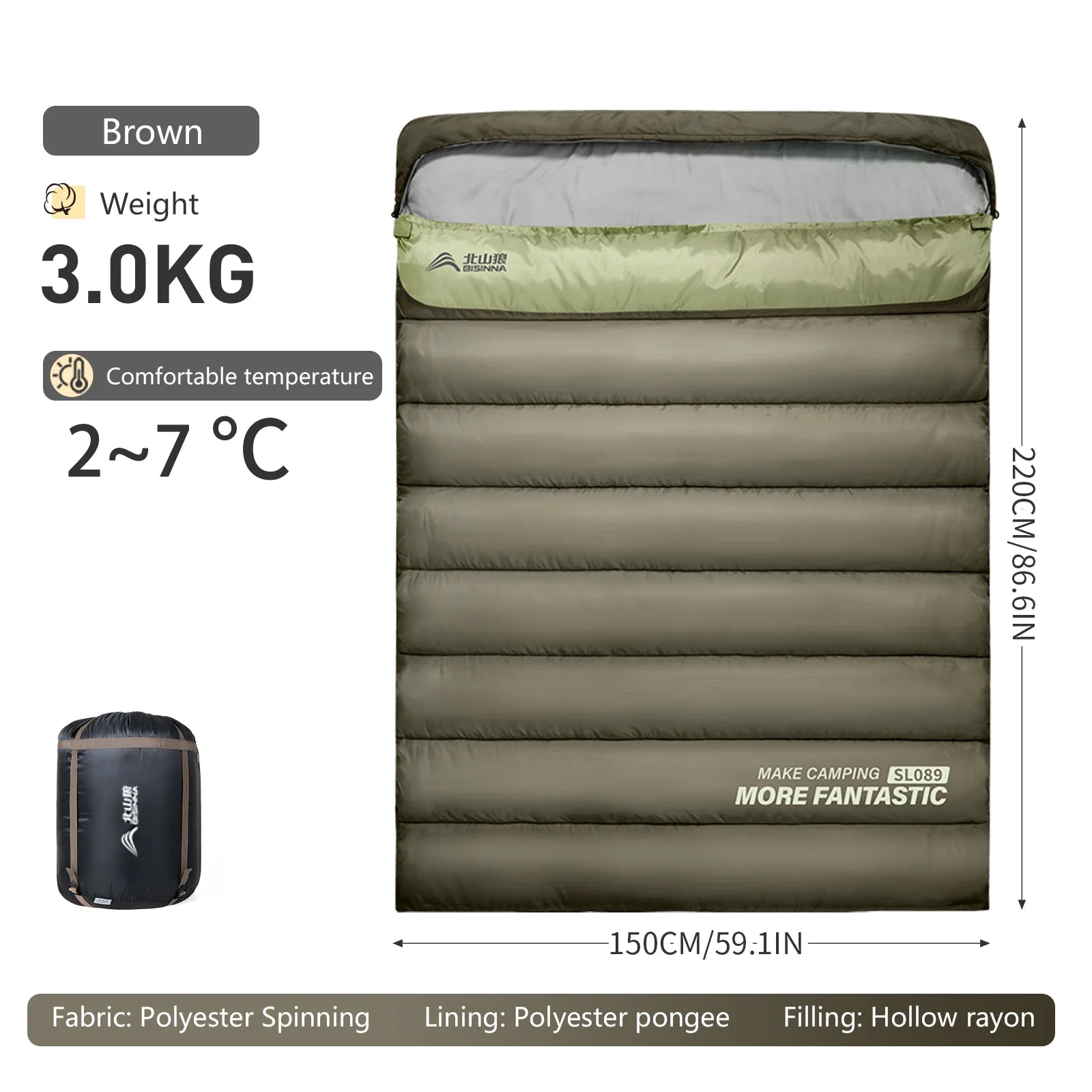
💡 See it in action
Cold weather camping gear comparison
| Gear Type | Best For | Benefit |
|---|---|---|
| Insulated sleeping bags | All campers | Core body heat retention |
| Thermal pads | Cold sleepers | Prevents ground heat loss |
| Wind barriers | Outdoor exposure sites | Reduces airflow cooling |
Mini FAQ
What is the most important camping tip for cold weather?
Layering insulation between your body and the ground is the most effective way to stay warm, as most heat loss occurs downward during sleep.
How can I keep my tent warmer at night?
Reduce airflow, use ground tarps, and organize sleeping areas centrally to trap body heat more efficiently inside the tent.
Why do kids get colder faster while camping?
Children have smaller bodies and higher heat loss rates, so they need extra insulation and shared warmth solutions during cold nights.
Do sleeping bags alone keep you warm?
Not always. Without proper ground insulation and wind protection, even high-quality sleeping bags can lose effectiveness in very cold environments.
Final thought: Cold-weather camping becomes far more enjoyable when you stop relying on a single gear item and instead build a complete warmth system. With the right insulation strategy and gear choices, nights outdoors can feel steady, comfortable, and predictable—even in freezing temperatures.
Pillar Article: Best Backpacking Sleeping Bag 0 Degree: Who Needs Extreme Cold Protection
Other Related Articles:
Explore More:





