

Snacks For Traveling: Best Cooler Setup For Kids & Adults
What Is the Best Cooler Setup for Snacks for Traveling?
Snacks for traveling stay fresher, safer, and easier to access when packed in a layered cooler system with cold items at the bottom, ready-to-eat snacks in the middle, and frequently used foods on top. This setup helps families manage carrying snacks for active kids, storing baby snacks during travel, and keeping snacks fresh during travel while reducing waste and unnecessary stops.
⏱ 9 min read
Snacks For Traveling: Best Cooler Setup For Kids & Adults
Snacks for traveling can make or break a family adventure. Whether you're heading out on a road trip, spending the day at a sports tournament, or enjoying a weekend camping getaway, having the right cooler setup helps prevent melted food, hungry kids, and unnecessary convenience-store stops. This guide covers practical ways to organize, store, and protect snacks so every traveler stays fueled and happy.
Have you ever opened a cooler halfway through a trip only to find crushed crackers, warm fruit, and leaking containers? A better system can completely change your travel experience.
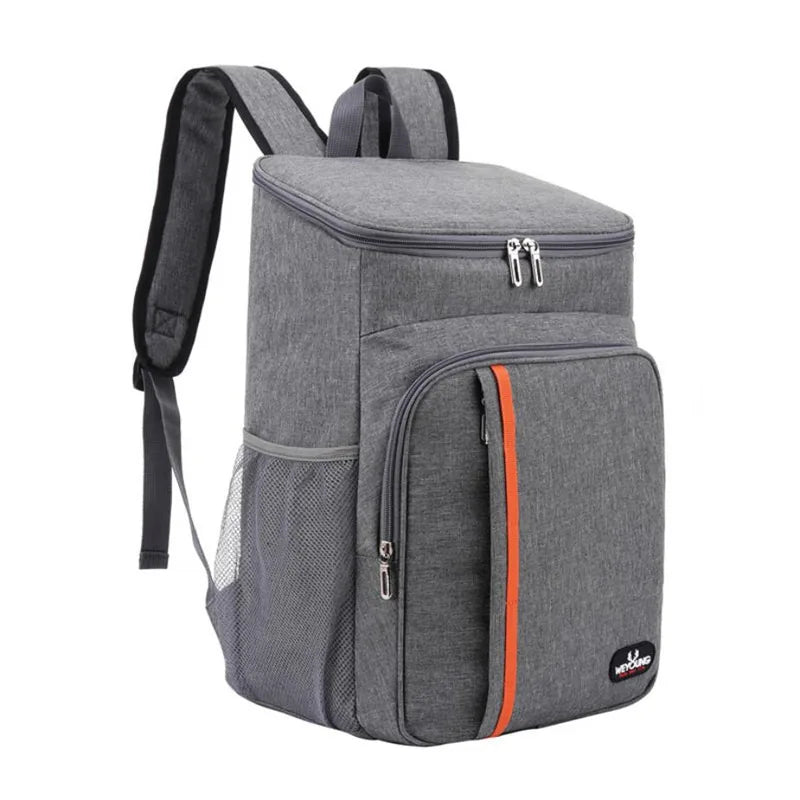
💡 See it in action
Why the Right Cooler Setup Makes Travel Easier
Snacks for traveling are easiest to manage when your cooler is organized for both temperature control and accessibility. A properly packed cooler reduces food spoilage, minimizes messes, and ensures everyone can quickly find what they need without unpacking the entire bag.
Many parents focus only on what snacks to bring. Experienced travelers know that how those snacks are packed often matters even more.
- Reduces food waste
- Maintains safer food temperatures
- Prevents crushed snacks
- Creates quick access during stops
- Improves travel comfort for adults and children
For longer adventures, combining your cooler with Hydration & Food solutions helps keep meals and drinks organized throughout the day.
Best Snacks for Traveling for Every Age Group
| Traveler | Recommended Snacks | Storage Method |
|---|---|---|
| Adults | Trail mix, cheese sticks, protein bars | Top compartment |
| School-age kids | Fruit slices, crackers, yogurt tubes | Middle layer |
| Toddlers | Soft fruit, puffs, mini sandwiches | Easy-access containers |
| Babies | Purees, formula supplies, teething snacks | Dedicated insulated section |
Travelers frequently report that pre-portioning snacks before departure saves significant time and reduces vehicle clutter.
Consider combining snack containers with products from Food Storage Bags & Containers to simplify organization and reduce spills.
How Smart Cooler Organization Keeps Snacks Fresh Longer
Use the Three-Zone Method
- Bottom layer: Ice packs and highly perishable foods
- Middle layer: Frequently accessed snacks
- Top layer: Dry snacks and meal essentials
- Exterior pockets: Napkins, utensils, wipes
This structure minimizes cold-air loss each time the cooler is opened.
Separate Wet and Dry Foods
One of the most common mistakes is placing dry crackers or granola bars directly next to ice packs. Moisture can quickly affect texture and freshness.
Choose Insulated Containers
Adding support from Insulated Food Containers helps maintain temperatures for yogurt, cheese, fruit cups, and prepared meals.
How Carrying Snacks for Active Kids Becomes Easier
Carrying snacks for active kids often feels like packing for an entire team. Sports tournaments, hiking trails, amusement parks, and road trips all create constant demand for quick energy.
The solution is creating grab-and-go snack stations inside the cooler.
- Color-code containers for each child
- Pack refillable water bottles separately
- Keep healthy snacks at eye level
- Reserve one section for treats
- Use reusable pouches for portion control
Parents consistently mention that individual snack packs reduce arguments and make distribution much easier during travel.
Additional organization tools from Car Organizers & Storage can further streamline access during long drives.
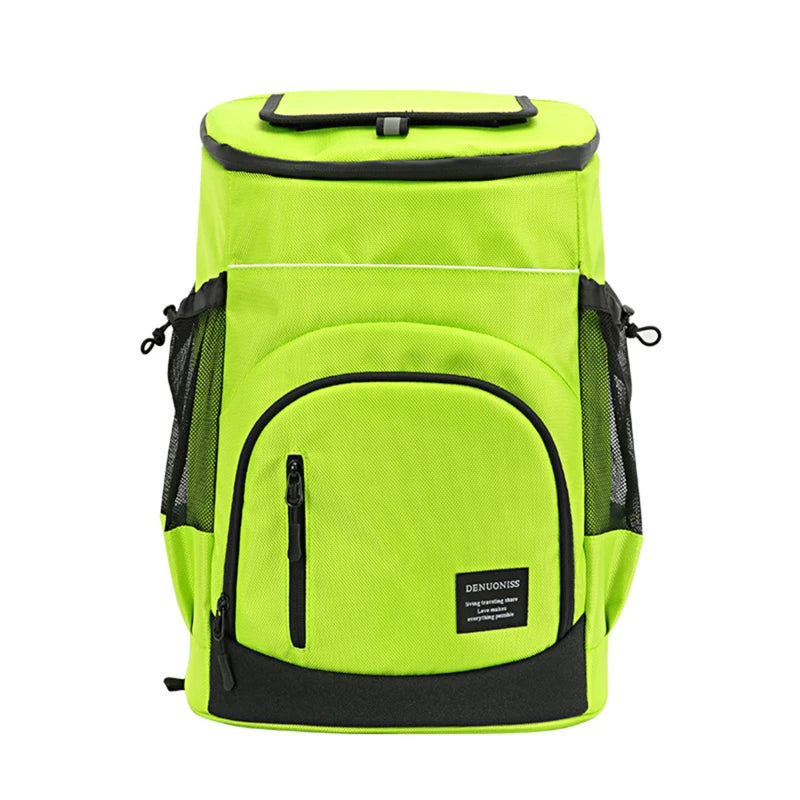
💡 See it in action
Best Practices for Storing Baby Snacks During Travel
Storing baby snacks during travel requires extra attention because babies are more sensitive to food quality and temperature changes.
Create a Dedicated Baby Section
Reserve a specific cooler compartment exclusively for baby-related foods. This reduces contamination risk and simplifies access.
Keep Essentials Within Reach
- Puree pouches
- Formula supplies
- Teething crackers
- Soft fruit pieces
- Small feeding utensils
Monitor Temperature Carefully
Use multiple ice packs around temperature-sensitive foods. Avoid repeatedly opening the baby-food compartment whenever possible.
Many traveling families also pair their cooler setup with products from Family Outdoor Bundles for additional convenience during day trips and outdoor adventures.
How Food Safety Tips for Outdoor Trips Protect Your Family
Food safety tips for outdoor trips are essential when temperatures rise or travel times increase.
| Practice | Benefit |
|---|---|
| Pre-chill cooler overnight | Extends cooling performance |
| Use multiple ice packs | Improves temperature stability |
| Limit opening frequency | Reduces heat exposure |
| Store perishables separately | Prevents contamination |
| Discard questionable food | Reduces illness risk |
Families enjoying outdoor activities often complement their setup with Camping & Picnic equipment for more comfortable meal breaks.
Travel Snack Packing Checklist
- Ice packs
- Fresh fruit
- Vegetable sticks
- Cheese snacks
- Protein bars
- Crackers
- Trail mix
- Baby snacks
- Reusable containers
- Napkins and wipes
- Water bottles
- Backup emergency snacks
For larger group outings, solutions from Group Picnic Accessories help manage bigger food loads efficiently.
Real Family Cooler Setup Example
A family traveling eight hours to a national park divided their cooler into four sections:
- Bottom: Frozen water bottles and ice packs
- Section one: Adult snacks and drinks
- Section two: Kids' fruit, cheese, and sandwiches
- Section three: Baby foods and formula supplies
The result was fewer convenience-store stops, less wasted food, and happier travelers throughout the journey.
For extended adventures, combining a cooler setup with Travel, Car & Road Trip gear creates an even more organized experience.
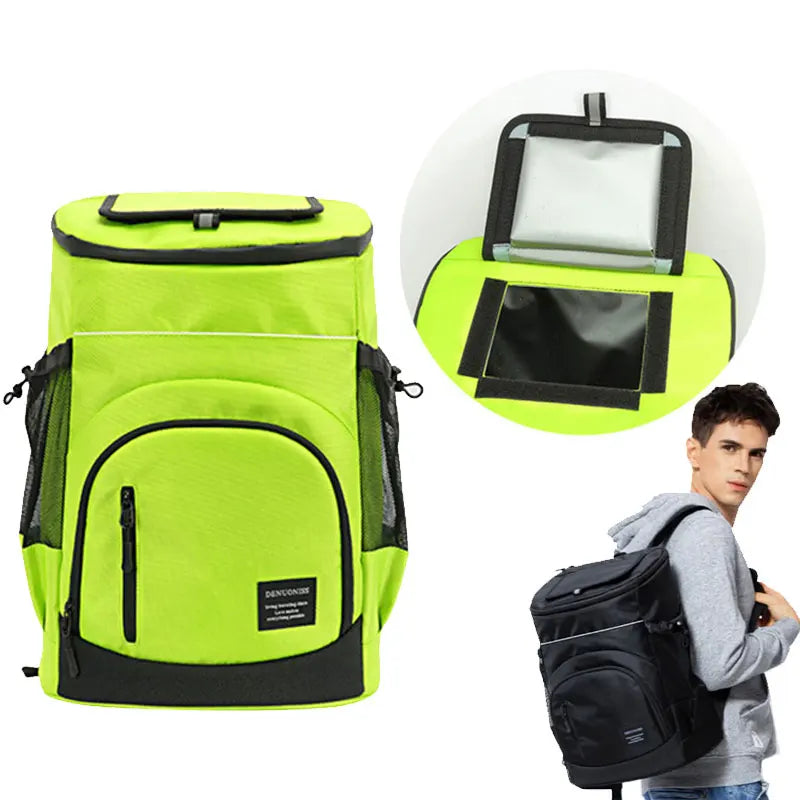
💡 See it in action
Why an Insulated Backpack Cooler Fits Different Travel Styles
Not every traveler has the same needs. Parents with babies prioritize temperature control. Families with active kids value quick access. Couples often prefer compact convenience.
An insulated backpack cooler adapts to these situations by combining portability, organization, and reliable insulation in one travel-friendly solution.
- Hands-free carrying
- Easy access during stops
- Suitable for road trips and outdoor events
- Helps organize multiple snack categories
- Reduces packing clutter
Frequently Asked Questions
What are the best snacks for traveling with kids?
Fruit slices, crackers, cheese sticks, yogurt tubes, trail mix, and portioned snack packs are popular options because they are convenient, portable, and easy to manage during travel.
How can I keep snacks fresh during travel?
Use insulated coolers, frozen ice packs, sealed containers, and a layered packing system that minimizes temperature fluctuations and exposure to warm air.
What is the safest way to store baby snacks during travel?
Store baby snacks in a dedicated insulated section, keep temperature-sensitive items cold, and separate baby foods from adult snacks to reduce contamination risks.
How do I organize snacks for a long road trip?
Group snacks by traveler, use labeled containers, place frequently used items near the top, and keep backup supplies available for unexpected delays.
Why use an insulated backpack cooler instead of a traditional cooler?
An insulated backpack cooler offers hands-free portability, easier organization, and convenient access while still helping maintain food freshness throughout the trip.
Pillar Article: Insulated Picnic Backpacks For Families: Best Use Cases Explained
Other Related Articles:
Explore More:





