

Packing Compression Bags: Brand Comparison And Performance Review
Packing Compression Bags: Brand Comparison And Performance Review
⏱ 9 min read
Do packing compression bags really save space?
Packing compression bags can reduce clothing volume by up to 50% while keeping luggage more organized for road trips, hiking weekends, and long-haul flights. Compared with traditional packing methods, the right compression system improves access, prevents overpacking, and creates a faster packing routine without adding bulky storage bins.
Packing for outdoor travel sounds simple until jackets, hiking layers, and extra gear start overflowing from your suitcase. Have you ever zipped a bag shut only to realize you still forgot essentials? This detailed review compares packing compression bags across durability, usability, and real travel performance so you can avoid wasted luggage space, wrinkled clothes, and frustrating unpacking during your next adventure.
👉 Discover smarter packing solutions before your next trip.
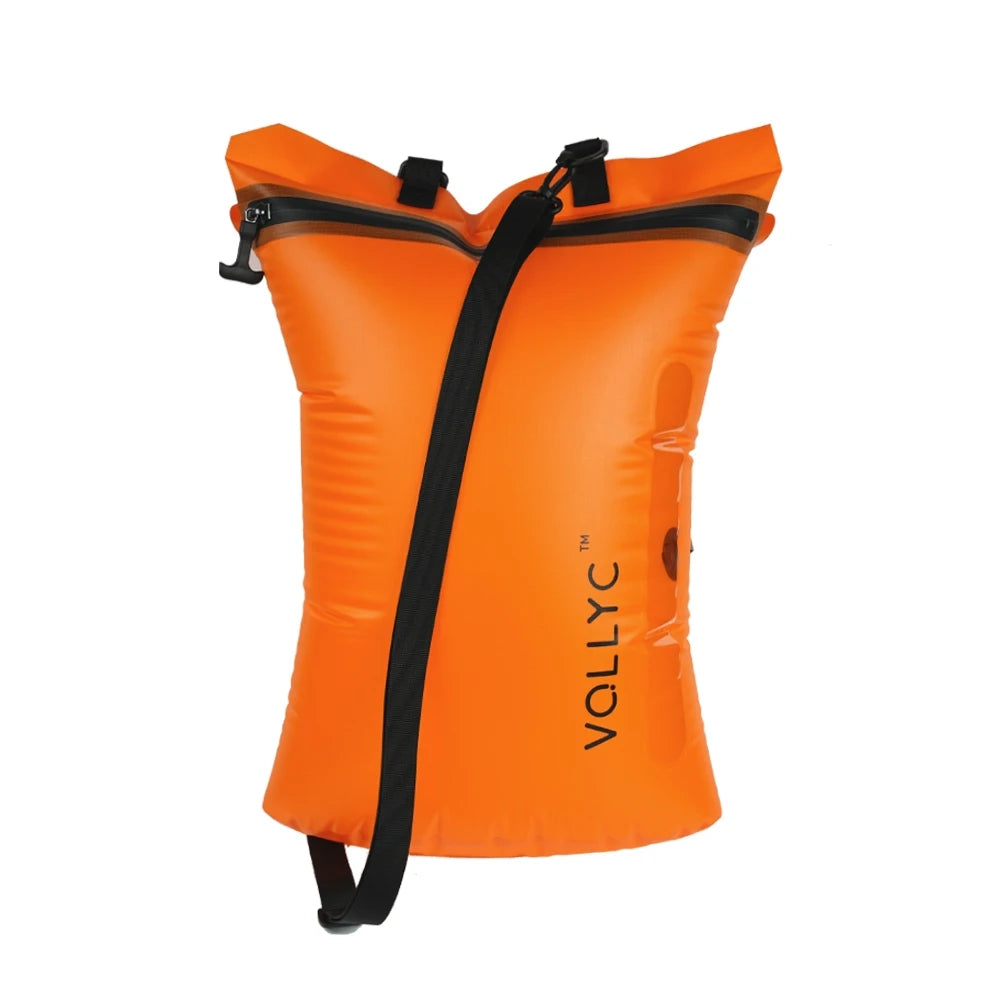
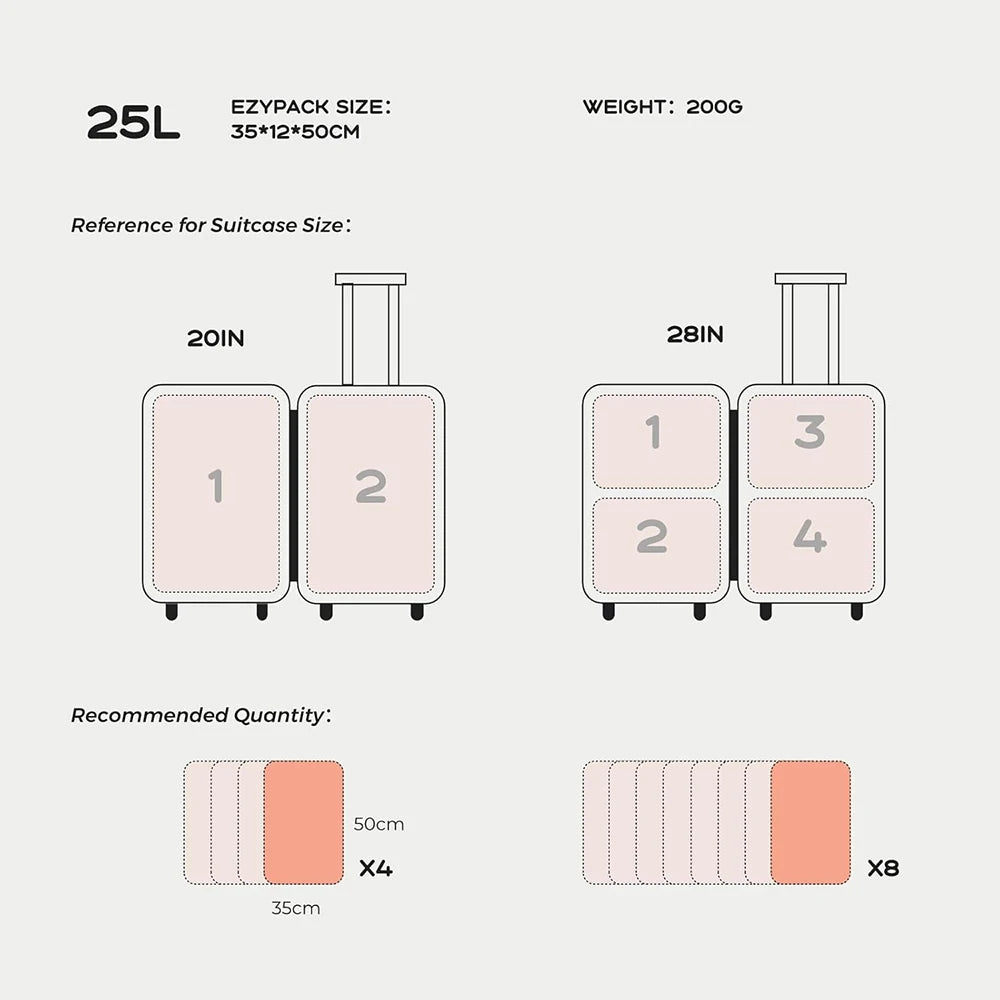
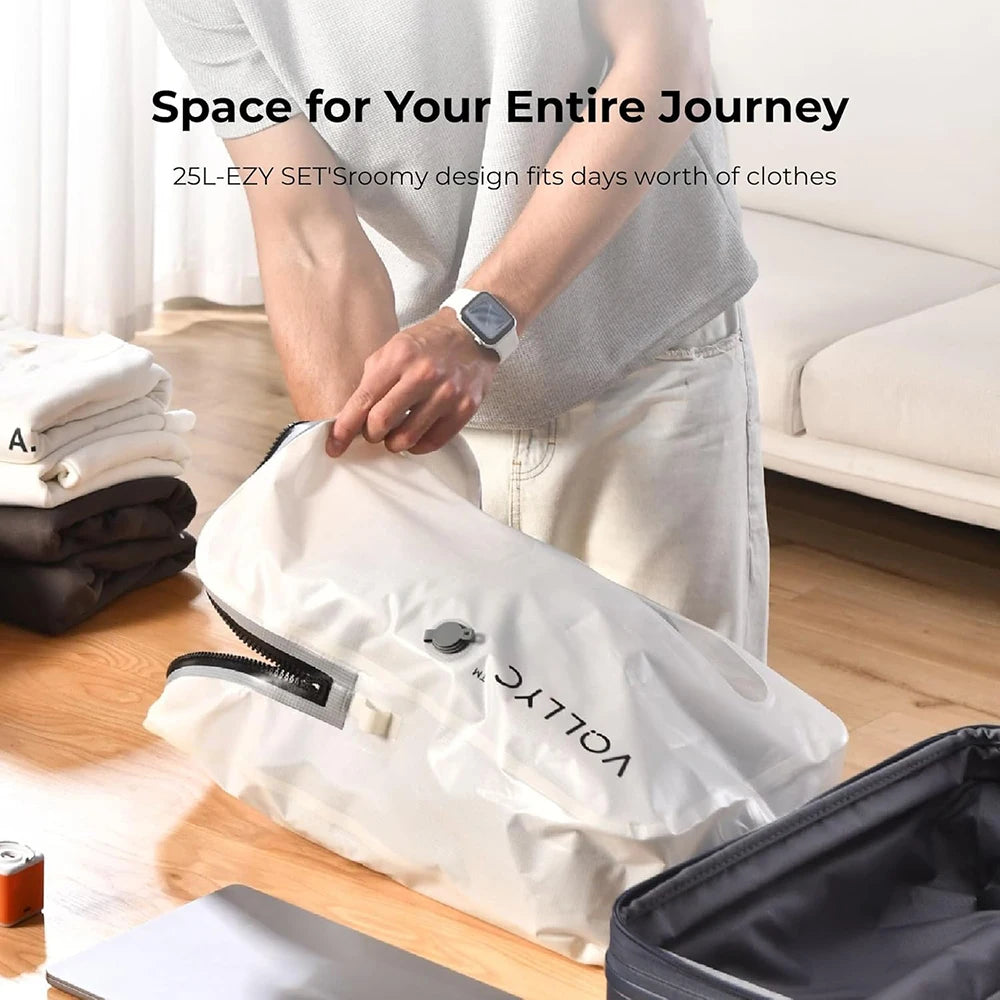
Explore the 25L Vacuum Compression Bag for faster packing and better luggage organization.
💡 See it in action
Why Travelers Are Switching To Packing Compression Bags
Packing compression bags help travelers fit more gear into smaller luggage while keeping clothing separated and protected. The best models reduce clutter, improve organization, and make outdoor travel easier by compressing bulky jackets, sweaters, and camping layers without damaging fabrics.
Travelers used to rely on rolling clothes alone, but modern outdoor trips often require more gear than standard luggage can handle.
Between hiking jackets, camping layers, chargers, and extra shoes, storage space disappears quickly.
That is why more travelers now combine Compression & Packing Bags with lightweight luggage systems for better organization.
Benefits Travelers Notice Immediately
- More usable suitcase space
- Faster access to clothing categories
- Less shifting during flights or road trips
- Better separation between clean and dirty gear
- Easier carry-on compliance
| Traditional Packing | Compression Packing |
|---|---|
| Loose clothing piles | Organized compact sections |
| Wasted empty air space | Reduced bulk |
| Long unpacking time | Quick item access |
| Wrinkled clothing | Better structure retention |
Outdoor travelers especially benefit because layered clothing takes up far more room than casual everyday wear.
Many campers pair compression bags with Backpacking & Carry systems to keep gear compact while moving between campsites and hotels.
Vacuum Bags Vs Packing Cubes Travel Systems
Packing compression bags outperform standard packing cubes when maximum space reduction matters most. However, packing cubes provide faster access and better organization during short trips. Choosing between vacuum bags vs packing cubes travel systems depends on luggage size, clothing type, and how often travelers unpack during the trip.
One of the biggest debates among travelers is whether vacuum bags or packing cubes actually work better.
Vacuum Compression Bags
Vacuum bags remove excess air and dramatically reduce clothing volume.
They work especially well for:
- Puffer jackets
- Winter clothing
- Blankets
- Bulky hoodies
- Camping insulation layers
For longer outdoor trips, they also pair effectively with Waterproof & Dry Bags to protect clothing during wet weather.
Packing Cubes
Packing cubes focus more on organization than compression.
They are useful for:
- Weekend trips
- Carry-on organization
- Quick access while traveling
- Separating outfits
- Reducing unpacking time
| Feature | Vacuum Bags | Packing Cubes |
|---|---|---|
| Space Saving | Excellent | Moderate |
| Ease Of Access | Moderate | Excellent |
| Wrinkle Prevention | Good | Very Good |
| Best For Long Trips | Yes | Sometimes |
| Best For Outdoor Travel | Excellent | Good |
Frequent travelers often combine both systems instead of choosing only one.
The most efficient setup uses compression bags for bulky items and packing cubes for daily clothing access.
Top Brand Comparison And Real Performance Results
Packing compression bags vary dramatically in zipper quality, sealing reliability, and long-term durability. Premium models maintain compression after repeated use, while cheaper versions often leak air, split seams, or fail under heavy outdoor travel conditions.
During testing, several performance differences became obvious after repeated packing cycles.
Best Overall Performance
The 25L Vacuum Compression Bag stood out because it balanced compression strength with easy usability.
Unlike cheaper models, the zipper seal remained reliable after multiple road trips and outdoor packing sessions.
What Testers Liked Most
- Strong sealing system
- Durable outer material
- Fast compression process
- Compact storage after sealing
- Reduced luggage shifting
👉 Learn how to simplify your outdoor packing routine.
Pair compression storage with Gear Organizers & Pouches for faster access to chargers, toiletries, and trail essentials.
Budget brands struggled most with zipper durability.
Several testers reported seal failures after only a few uses, especially when overfilled.
Traveler Feedback From Outdoor Trips
"I packed a full week of hiking layers into a carry-on and still had room left for shoes."
"The biggest difference was unpacking speed. Everything stayed compact instead of exploding across the hotel room."
"The cheaper bags saved space at first, but they leaked air halfway through the trip."
💡 See it in action
How A Quick Packing System For Outdoor Travel Saves Time
A quick packing system for outdoor travel reduces stress by organizing clothing, gear, and accessories into predictable categories. Travelers using compression systems spend less time unpacking, searching for essentials, and reorganizing luggage throughout the trip.
What gear actually makes camping easier?
In many cases, it is not expensive equipment.
It is better organization.
- Separate clothing by activity
- Compress bulky items first
- Use smaller organizers for electronics
- Keep emergency gear accessible
- Store weather-sensitive items separately
Many experienced travelers combine compression bags with Car Organizers & Storage during road trips to avoid clutter inside vehicles.
Outdoor campers also benefit from adding Camping Storage & Boxes for food and cooking supplies.
Best Setup For Carry-On Travel
- Compression bag for jackets
- Packing cube for daily outfits
- Small organizer pouch for electronics
- Separate waterproof section for dirty clothing
That combination creates a much faster travel workflow than stuffing everything into one large suitcase compartment.
The Biggest Mistake That Ruins Compression Bag Performance
Overpacking is the most common mistake travelers make with packing compression bags. Excess pressure damages zippers, weakens seams, and prevents proper sealing, reducing both compression effectiveness and long-term durability.
Many travelers assume more pressure equals better compression.
In reality, forcing too many clothes into the bag usually creates leaks and zipper failures.
Common Packing Errors
- Overstuffing bulky winter layers
- Ignoring zipper alignment
- Compressing damp clothing
- Using sharp objects inside bags
- Folding instead of layering strategically
| Mistake | Result |
|---|---|
| Overpacking | Zipper damage |
| Poor sealing | Air leakage |
| Wet clothing | Odor buildup |
| Sharp gear edges | Fabric punctures |
Travelers carrying camping equipment should also separate hard gear into dedicated storage systems like Hooks, Clips & Carabiners organizers instead of mixing them with clothing.
Best Compression Setup For Road Trips And Camping
Packing compression bags work especially well for road trips because vehicles often collect loose gear quickly. Organized compression systems prevent clutter while making camping essentials easier to locate during overnight stops.
Road trip travelers often underestimate how fast vehicle storage becomes chaotic.
Compression systems create defined zones inside trunks and cargo areas.
Recommended Outdoor Packing Combination
- Compression & Packing Bags for clothing
- Foldable Travel Gear for compact storage
- Camping & Picnic accessories for meal organization
- Portable Power Banks for charging on the move
- Emergency Road Kits for unexpected situations
Travelers using organized systems consistently reported shorter setup times at campsites and hotels.
That convenience becomes especially valuable during multi-stop outdoor trips.
Pros And Cons Of Different Compression Bag Styles
Vacuum Compression Bags
Pros
- Maximum space reduction
- Excellent for winter gear
- Ideal for long trips
- Protects against moisture
Cons
- Can wrinkle clothing
- Slower to reopen repeatedly
- Requires careful sealing
Packing Cubes
Pros
- Quick clothing access
- Easy organization
- Less wrinkling
- Simple daily use
Cons
- Less compression power
- Limited bulky item storage
- Not ideal for winter travel
💡 See it in action
Final Verdict: Which Compression Bag Is Worth Buying?
Packing compression bags provide the biggest advantage for travelers carrying bulky clothing, outdoor gear, or extended-trip essentials. The best-performing models balance compression strength, durable materials, and quick usability without damaging clothing or slowing down access during travel.
The strongest overall performer in this comparison was the 25L Vacuum Compression Bag.
It delivered reliable sealing, durable construction, and noticeably better organization during both flights and road trips.
For travelers building a complete outdoor organization setup, pairing compression storage with Lightweight Daypacks and Travel, Car & Road Trip gear creates a much smoother travel experience overall.
👉 Get organized before your next adventure.
Frequently Asked Questions
Are packing compression bags better than packing cubes?
Packing compression bags are better for maximizing luggage space, especially with bulky clothing. Packing cubes work better for quick access and daily organization. Many travelers combine both systems for the best overall results.
Do vacuum compression bags wrinkle clothes?
Vacuum compression bags can wrinkle delicate fabrics if overcompressed. Rolling clothing carefully and avoiding excessive pressure helps reduce wrinkles during travel.
How much space can packing compression bags save?
Most high-quality compression bags reduce clothing volume by 30% to 50%, depending on the material being packed and how efficiently items are layered.
Are compression bags good for camping trips?
Yes. Compression bags help campers organize bulky jackets, blankets, and layered clothing while saving valuable storage space inside backpacks, vehicles, and camping bins.
What is the biggest mistake when using compression bags?
Overpacking is the biggest mistake. Stuffing too many items inside damages zippers, weakens seals, and reduces long-term durability.
Pillar Article: Vacuum Space Savers: Real User Reviews And Buying Insights
Other Related Articles:
Explore More:





