

Durable Backpack For Hiking: Best Fit For Heavy Loads & Rough Trails
Durable Backpack For Hiking: Best Fit For Heavy Loads & Rough Trails
Does a durable backpack for hiking really make a difference?
A durable backpack for hiking improves comfort, protects gear on rough trails, and reduces shoulder strain during long-distance treks. Strong stitching, balanced weight distribution, weather-resistant materials, and supportive straps help hikers avoid outdoor backpack tears in rough terrain while carrying heavy loads more safely and comfortably.
⏱ 12 min read
Finding a durable backpack for hiking can completely change how you experience the outdoors. Many hikers deal with outdoor backpack tears in rough terrain, uncomfortable backpack straps during long hikes, and travel backpack poor weight distribution issues that leave shoulders and backs aching after only a few miles. The right pack keeps your gear protected, your load balanced, and your movement comfortable across steep climbs, muddy trails, rocky paths, and overnight adventures.
Have you ever reached the middle of a trail and realized your backpack was working against you instead of helping you? From ripped seams to sore shoulders, poor gear choices can turn a dream hike into an exhausting struggle.
👉 Discover gear built for demanding trails and heavy outdoor use before your next adventure.
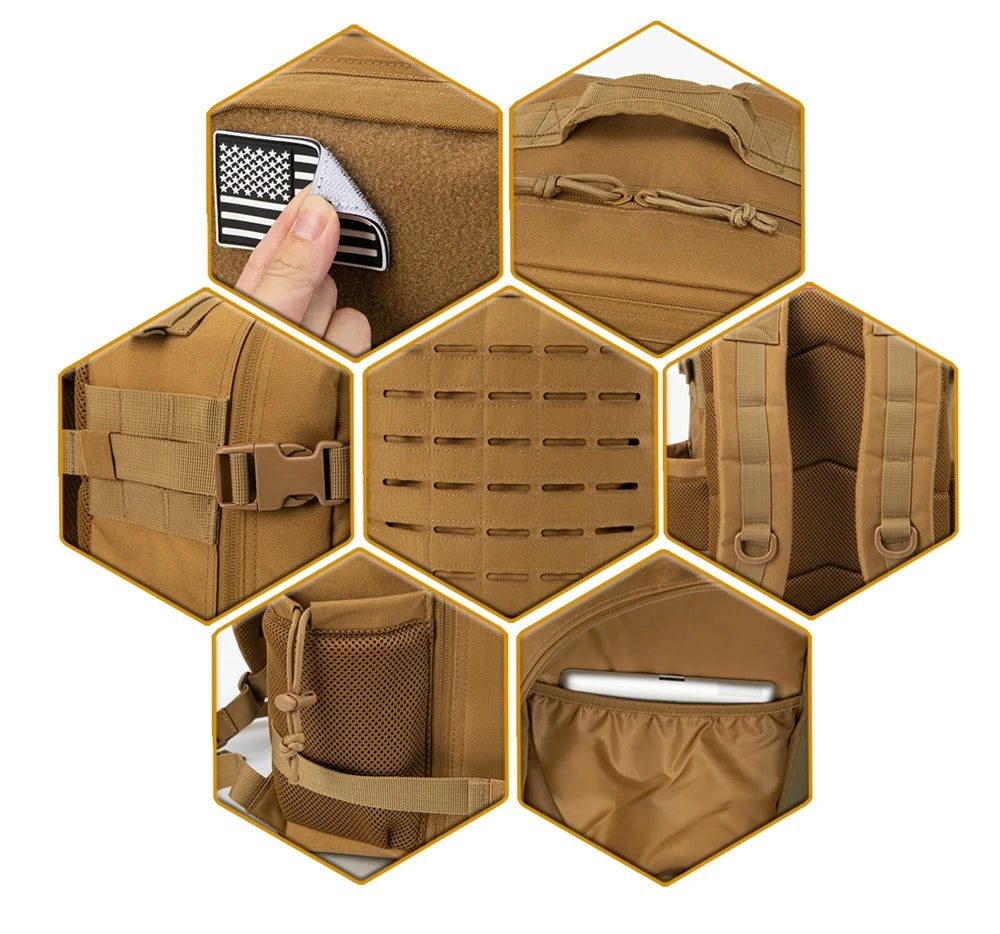
💡 See it in action
Why Backpack Durability Matters on Rough Trails
A durable backpack for hiking is designed to survive repeated exposure to rocks, moisture, dirt, heavy gear, and long-distance use. Durable materials and reinforced construction reduce outdoor backpack tears in rough terrain while maintaining comfort, stability, and organization for hikers carrying heavy loads across challenging environments.
Rough trails test every part of your equipment. Sharp branches scrape fabric. Wet weather weakens cheap stitching. Heavy gear strains shoulder straps and zippers. A poorly designed backpack can fail long before your trip ends.
Durability is not only about surviving damage. It also affects comfort, safety, and efficiency on the trail.
- Strong materials prevent tears and punctures
- Reinforced seams support heavier loads
- Weather-resistant fabrics protect valuable gear
- Padded straps reduce shoulder fatigue
- Balanced frame systems improve movement
- Organized compartments reduce packing stress
Many hikers underestimate how much a weak backpack affects endurance. A shifting load can throw off posture and increase energy use during climbs.
Experienced hikers often combine their backpacks with organized gear systems from Backpacking & Carry and weather-ready storage from Waterproof & Dry Bags to improve protection on demanding trips.
Signs Your Backpack Is Failing You
Sometimes the signs appear gradually. Other times, they happen halfway through a mountain trail when it is too late to switch gear.
1. Shoulder Pain After Short Distances
Uncomfortable backpack straps during long hikes usually indicate poor padding, weak adjustment systems, or incorrect load balance.
If your shoulders burn after only a few miles, your backpack may lack:
- Load lifter straps
- Chest stabilizers
- Proper lumbar support
- Ventilated padding
- Wide ergonomic shoulder straps
2. Uneven Weight Distribution
Travel backpack poor weight distribution issues force your body to compensate with awkward posture. This can lead to lower back fatigue, knee strain, and instability on steep ground.
A balanced pack keeps the center of gravity close to your body.
3. Torn Fabric and Broken Zippers
Outdoor backpack tears in rough terrain usually start around high-stress points:
- Zipper corners
- Bottom seams
- Strap connections
- External attachment loops
Cheap materials wear down quickly when exposed to rocks, branches, or heavy gear.
4. Limited Storage Organization
When gear constantly shifts inside your pack, weight balance becomes inconsistent. Organized storage systems improve comfort and efficiency.
Many hikers use Gear Organizers & Pouches and Compression & Packing Bags to stabilize equipment during longer trips.
How To Choose Durable Hiking Backpack Features
A durable backpack for hiking should combine strong materials, reinforced stitching, ergonomic support, balanced weight distribution, and weather protection. The best hiking backpacks reduce shoulder strain, protect gear from rough terrain, and stay comfortable during long-distance adventures with heavy loads.
- Choose reinforced nylon or polyester fabric with water resistance
- Look for padded shoulder straps and breathable back panels
- Prioritize adjustable chest and waist support systems
- Check stitching quality around stress points
- Select compartments that stabilize gear weight evenly
- Pick a size appropriate for your hiking duration
Many hikers buy oversized packs without considering weight balance. A larger bag is not always better.
Frame Design Matters
Internal frame backpacks usually provide better movement control for hiking trails. They keep loads closer to your center of gravity and improve agility.
External frames may offer more ventilation and load capacity but can feel less stable on narrow trails.
Fabric Thickness and Resistance
| Material | Durability | Best Use |
|---|---|---|
| Ripstop Nylon | High tear resistance | Rocky terrain and multi-day hiking |
| Polyester | Good weather resistance | Casual hiking and travel |
| Canvas Blends | Heavy-duty abrasion resistance | Rugged outdoor conditions |
| Waterproof Coated Fabric | Excellent moisture protection | Rainy and muddy environments |
Adding weather protection gear from Weather Protection & Environment can further improve backpack performance in difficult climates.
👉 Learn how to choose the right hiking gear for rough terrain, heavy loads, and longer outdoor adventures.
Best Materials for Heavy Loads and Tough Terrain
Not all backpacks are built equally. Material quality often determines how long a backpack survives under real-world stress.
Ripstop Fabric Prevents Small Damage From Spreading
Ripstop nylon includes reinforced threading patterns that stop small tears from becoming major failures.
This matters when:
- Scraping against rocks
- Crossing forested trails
- Packing camping tools
- Attaching external gear
Water Resistance Protects Essential Gear
Unexpected rainstorms can ruin electronics, clothing, food, and navigation tools.
Many hikers pair durable backpacks with gear from Collapsible Water Bottles and Personal Water Filters to stay prepared during unpredictable conditions.
Heavy-Duty Zippers Improve Reliability
Zippers are one of the most common backpack failure points. Strong zipper tracks reduce snags and separation under pressure.
Look for:
- Larger zipper teeth
- Protected zipper flaps
- Double stitching around compartments
- Weather-resistant sealing
Reinforced MOLLE Systems Improve Flexibility
MOLLE attachment systems allow hikers to distribute gear externally without overloading internal compartments.
This setup is useful for:
- Water bottles
- Emergency kits
- Flashlights
- Cooking tools
- Wet gear separation
Outdoor travelers often combine modular attachments with products from Hooks, Clips & Carabiners for better organization and fast access.
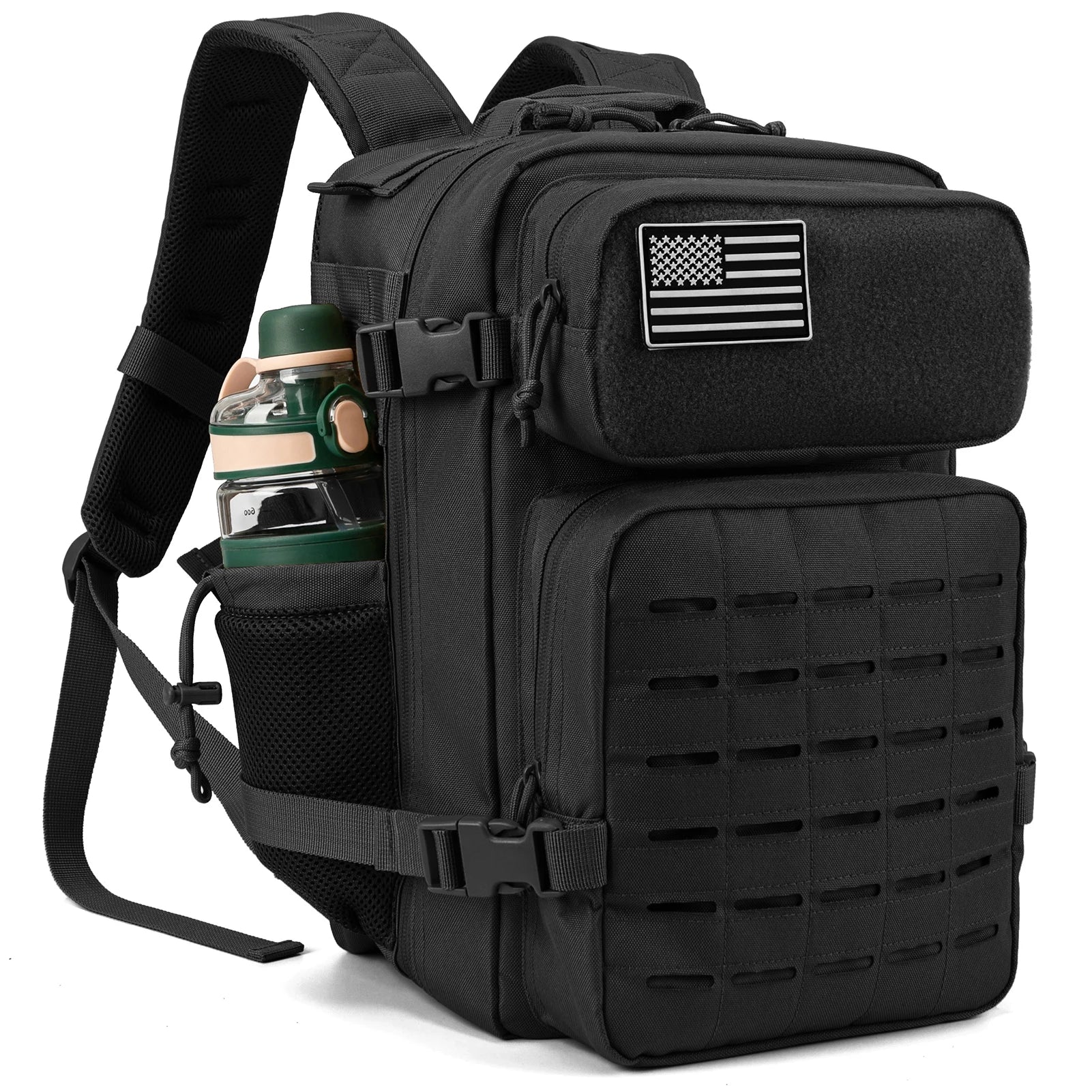
💡 See it in action
Comfort Features That Prevent Shoulder and Back Pain
A backpack may survive rough terrain, but comfort determines whether you actually enjoy the hike.
Uncomfortable backpack straps during long hikes are one of the biggest complaints among outdoor users.
Wide Shoulder Straps Reduce Pressure
Narrow straps concentrate weight into small pressure points.
Wide padded straps distribute load more evenly across the shoulders and upper chest.
Hip Belts Shift Weight Properly
A quality hip belt transfers much of the backpack’s weight to the hips instead of the shoulders.
This improves endurance dramatically during long climbs.
Ventilated Back Panels Improve Airflow
Back sweat becomes uncomfortable quickly during summer hikes.
Ventilated mesh panels help reduce heat buildup and moisture retention.
Adjustable Fit Systems Improve Stability
Every hiker’s body shape differs. Adjustable torso systems improve:
- Weight balance
- Spinal alignment
- Movement efficiency
- Trail stability
Some hikers also improve recovery during multi-day trips using equipment from Stretching & Recovery Tools and comfort accessories from Outdoor Comfort & Recovery.
How Better Weight Distribution Improves Hiking
A durable backpack for hiking should keep heavy gear balanced close to the body. Proper weight distribution reduces shoulder strain, improves posture, stabilizes movement on rough terrain, and helps hikers carry more equipment comfortably during long-distance outdoor adventures.
Travel backpack poor weight distribution issues often go unnoticed until fatigue builds over hours of hiking.
Poor balance can cause:
- Lower back pain
- Forward leaning posture
- Foot instability
- Faster exhaustion
- Shoulder numbness
How To Pack Heavy Loads Correctly
- Place heavier items close to the spine
- Keep lightweight gear at the bottom
- Balance left and right side weight evenly
- Store frequently used gear in outer pockets
- Tighten compression straps after packing
Best Gear Placement Strategy
| Gear Type | Best Placement |
|---|---|
| Water and food | Center near spine |
| Sleeping gear | Bottom compartment |
| Rain layers | Top access pocket |
| Emergency gear | Quick-access exterior pouch |
| Electronics | Padded interior section |
Many hikers use Camping Storage & Boxes during car-based trips to organize gear before transferring essentials into trail packs.
Smart Packing Strategies for Heavy Gear
Efficient packing protects your body as much as your equipment.
One experienced hiker described switching from a loose travel backpack to a reinforced hiking pack with compression straps:
"I stopped feeling shoulder pain after the first hour. The difference was immediate once the weight stayed balanced."
Checklist for Better Trail Packing
- Use waterproof compartments for electronics
- Separate food from clothing
- Keep emergency tools accessible
- Reduce unnecessary duplicate items
- Use compression sacks to minimize shifting
- Carry hydration where it is easy to reach
Outdoor users frequently combine durable backpacks with:
- Hydration & Food
- Outdoor Cookware
- Camping Stoves & Cooking
- Portable Power Banks
- Headlamps & Wearable Lights
Why Overpacking Creates More Problems
Many hikers assume durability means carrying everything possible.
In reality, carrying unnecessary weight increases fatigue and reduces trail mobility. Even the best backpack performs poorly when overloaded beyond its intended capacity.
Real-World Hiking Scenarios and User Experiences
Mountain Weekend Trips
Weekend hikers often need balanced storage for:
- Extra clothing layers
- Hydration systems
- Portable cooking equipment
- Weather protection
Durable backpacks help stabilize these heavier loads during elevation changes.
Long-Distance Trail Hiking
Long-distance hikers depend heavily on:
- Comfortable shoulder support
- Reliable stitching
- Efficient compartment access
- Weather resistance
Even minor discomfort becomes magnified after several hours on the trail.
Car Camping and Outdoor Travel
Travelers often switch between vehicle storage and trail hiking.
Using gear from Car Camping Accessories and Car Organizers & Storage helps keep supplies organized before moving into a hiking setup.
Wet and Muddy Terrain
Backpacks exposed to constant moisture need reinforced weather protection.
Many hikers pair backpacks with:
These additions reduce exposure damage and improve overall trail comfort.
Comparison Table: Standard Backpack vs Durable Hiking Backpack
| Feature | Standard Backpack | Durable Hiking Backpack |
|---|---|---|
| Weight Distribution | Limited support | Balanced ergonomic system |
| Fabric Strength | Basic materials | Reinforced abrasion-resistant fabric |
| Comfort on Long Hikes | Shoulder fatigue | Padded support and airflow |
| Weather Resistance | Minimal protection | Water-resistant construction |
| External Attachments | Limited options | MOLLE and modular storage |
| Heavy Load Support | Weak structure | Stabilized load-bearing design |
👉 Upgrade your hiking setup before your next rough trail adventure.
Gear Pairing for Better Outdoor Adventures
A durable backpack works best as part of a complete outdoor setup.
Camping and Overnight Trips
Many hikers improve organization and comfort by pairing their backpack with:
- Camping Tents & Shelter
- Sleeping Bags & Sleeping Pads
- Blankets & Sleeping Comfort
- Inflatable Pillows
Safety and Emergency Preparedness
Reliable gear storage becomes critical during emergencies.
Outdoor users often carry:
Lighting and Power Management
Night hiking and remote camping require dependable lighting solutions.
Popular companion gear includes:
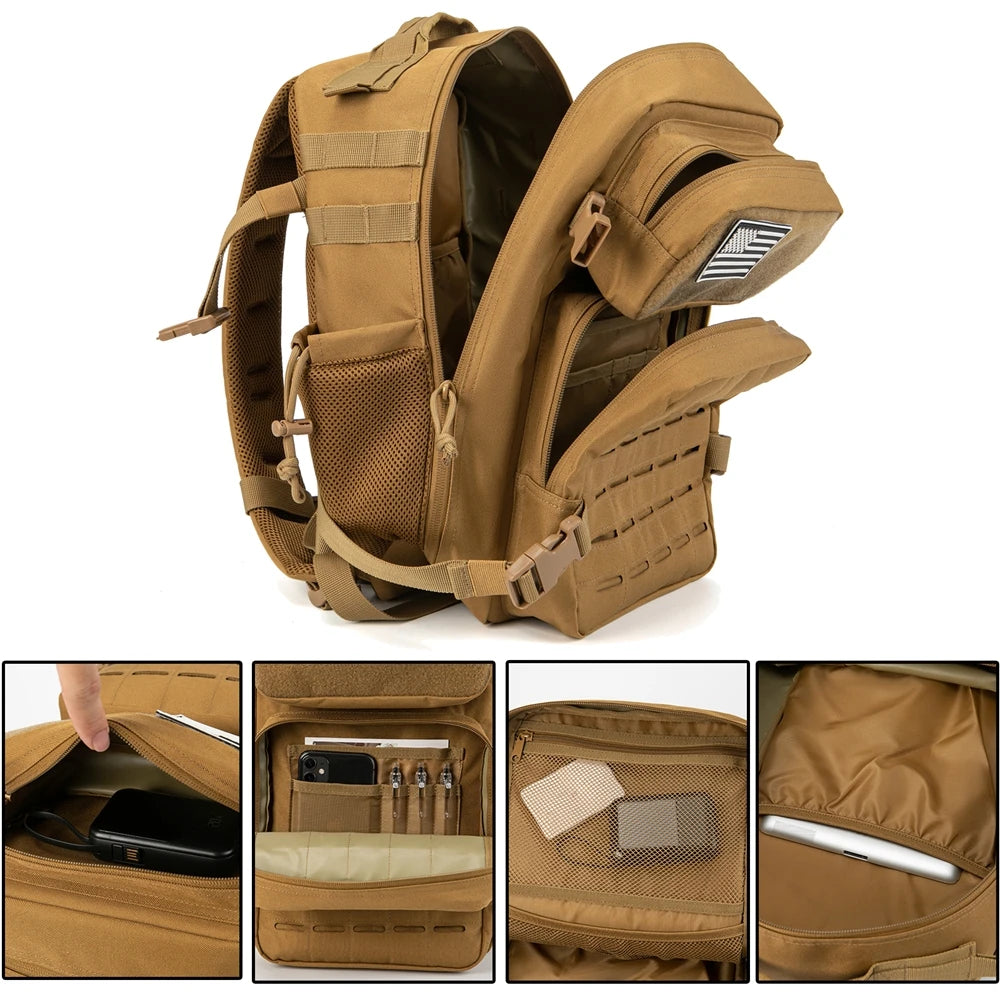
💡 See it in action
Maintenance Tips to Extend Backpack Lifespan
Even the best backpack lasts longer with proper care.
Clean Dirt and Moisture Quickly
After muddy or wet hikes:
- Empty all compartments
- Brush away debris
- Air dry fully before storage
- Avoid prolonged direct sunlight
Inspect High-Stress Areas
Check these areas regularly:
- Shoulder strap stitching
- Zipper tracks
- Compression buckles
- Hip belt attachments
Store Properly Between Trips
Store backpacks loosely in dry areas to prevent material breakdown and odor buildup.
Some hikers organize seasonal gear using Foldable Travel Gear and Food Storage Bags & Containers for easier trip preparation.
Choose a Backpack That Supports Every Adventure
A durable backpack for hiking is more than simple storage. It protects your gear, reduces fatigue, improves balance, and helps you move confidently across rough terrain.
Whether you are tackling mountain trails, preparing for car camping weekends, or carrying heavy outdoor equipment, the right backpack makes every mile more manageable.
By choosing reinforced materials, ergonomic support systems, and balanced load distribution, hikers can avoid outdoor backpack tears in rough terrain, eliminate uncomfortable backpack straps during long hikes, and solve travel backpack poor weight distribution issues before they ruin the experience.
Reliable gear creates better adventures, safer movement, and more enjoyable time outdoors.
FAQ
What makes a durable backpack for hiking different from a regular backpack?
A durable hiking backpack uses stronger materials, reinforced stitching, ergonomic support systems, and weather-resistant construction. These features help the backpack survive rough terrain while keeping heavy loads balanced and comfortable during long hikes.
How do I stop uncomfortable backpack straps during long hikes?
Choose a backpack with padded shoulder straps, adjustable chest support, load lifters, and a hip belt. Proper weight distribution and correct strap adjustment significantly reduce pressure on the shoulders and upper back.
Why does my backpack feel heavier after a few miles?
Poor weight distribution forces your body to compensate during movement. Uneven packing or weak support systems create additional strain on muscles and joints, making the load feel heavier over time.
What material is best for rough hiking trails?
Ripstop nylon is one of the best choices because it resists tears, abrasions, and punctures. Water-resistant coatings also help protect gear during rainy or muddy conditions.
How much weight should a hiking backpack carry comfortably?
The ideal carrying weight depends on body size and hiking experience, but most hikers aim to keep pack weight below 20% of total body weight for better comfort and endurance.
Related Articles:
- Day Military Backpack For Everyday Use: Who Should Choose It
- Hiking Small Bag For Day Trips: Who It Actually Suits Best
Pillar Articles:





