

Cooler Backpack Reviews: What Buyers Love And Hate
What Do Cooler Backpack Reviews Reveal About Real Performance?
Cooler backpack reviews show that most users appreciate hands-free portability, strong insulation, and travel convenience, but complain about strap comfort, limited ice retention in extreme heat, and sizing issues. Overall, cooler backpack reviews highlight strong value for day trips, beach outings, and short outdoor adventures when packed correctly.
Cooler Backpack Reviews: What Buyers Love And Hate
Ever packed for a beach day or road trip and watched your drinks turn warm before noon? Or struggled to carry a bulky cooler through sand and crowds? cooler backpack reviews reveal what actually works in real outdoor situations—and what leads to frustration once you're already outside.
Real Buyer Insights from Cooler Backpack Reviews
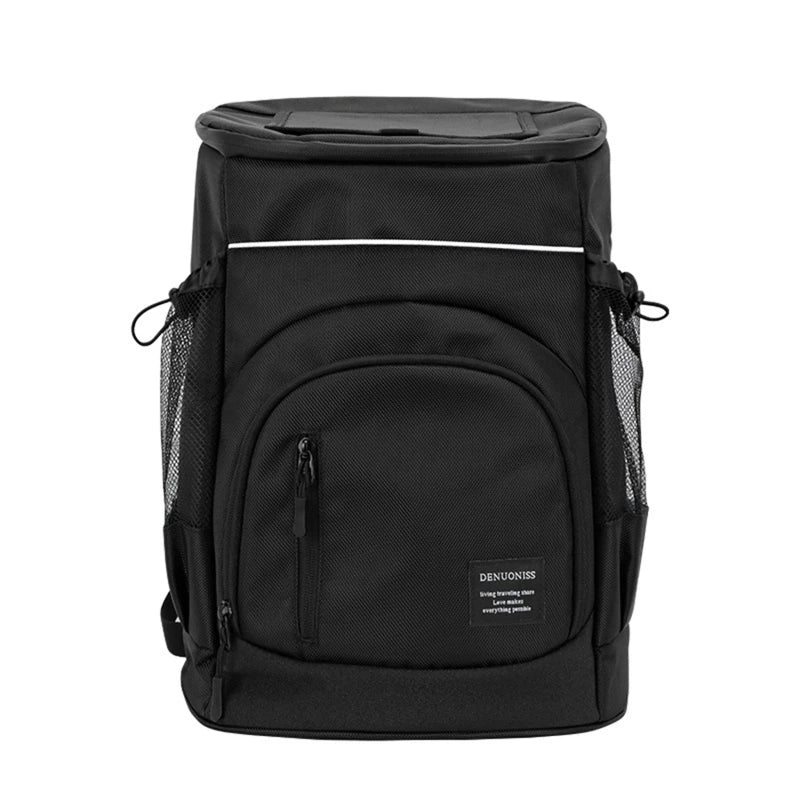
Most cooler backpack reviews agree on one thing: convenience changes everything. Instead of dragging a wheeled cooler, users prefer hands-free carrying, especially for hikes, beaches, and festivals. However, expectations must match reality—performance depends heavily on packing method and insulation quality.
💡 See it in action
What Buyers Love About Cooler Backpacks
Across thousands of cooler backpack reviews, users consistently highlight a few standout benefits that make these bags worth carrying instead of traditional coolers.
- Hands-free mobility: Perfect for hiking, biking, or walking long distances.
- Lightweight design: Easier than dragging hard-shell coolers.
- Better organization: Separate compartments for food, drinks, and ice packs.
- Travel-friendly: Works for beach days, picnics, and road trips.
Many users mention that switching to a lightweight insulated travel cooler backpack made spontaneous outdoor trips much easier and more enjoyable.
What Buyers Dislike in Cooler Backpack Reviews
Not all experiences are perfect. Cooler backpack reviews also reveal recurring complaints that buyers should consider before purchasing.
- Limited ice retention: Budget models struggle in hot weather.
- Strap discomfort: Heavy loads can dig into shoulders.
- Smaller capacity than expected: Especially for group trips.
- Leak issues: Poor sealing in low-quality models.
One common frustration is overpacking. Users expect hard-cooler capacity in a soft backpack design, which leads to disappointment during long beach days or road trips.
Why a Lightweight Insulated Travel Cooler Backpack Matters
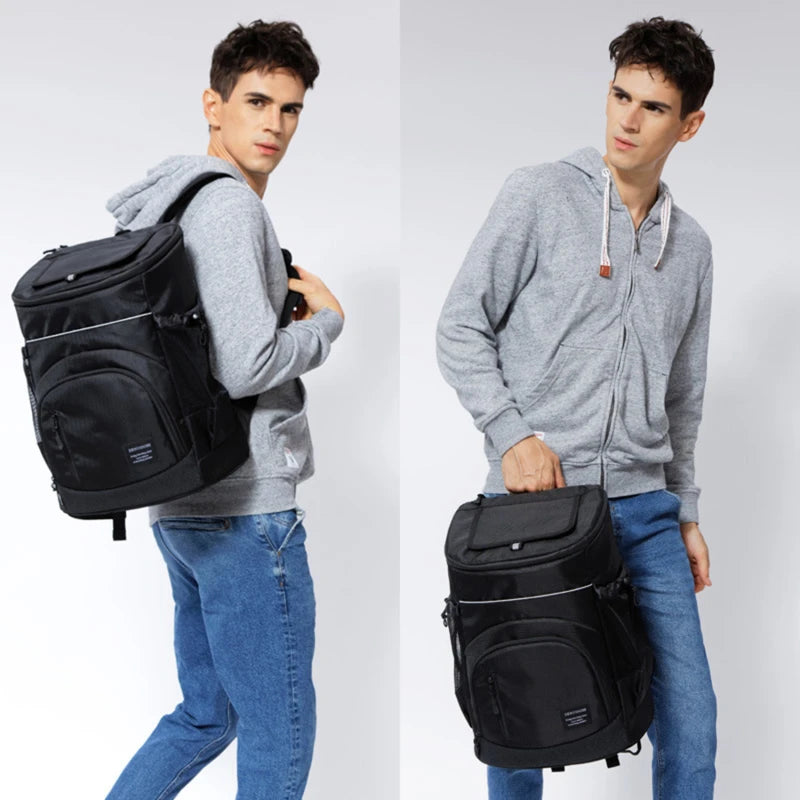
Choosing a lightweight insulated travel cooler backpack is essential for comfort and portability. Reviews show that lighter models encourage longer outdoor use because they reduce fatigue while still keeping essentials cold for hours.
These backpacks are especially useful for:
- Short hikes and nature walks
- Urban picnics and park outings
- Quick beach trips
- Day-long road travel stops
💡 See it in action
Cooler Backpack for Crowded Beaches: What Works Best
A cooler backpack for crowded beaches needs smart design: slim profile, leak resistance, and easy access. Reviews highlight that bulky coolers become a hassle in packed coastal areas where space is limited and mobility matters more than storage volume.
Beach users recommend prioritizing:
- Quick-access top compartments
- Water-resistant outer shell
- Sand-resistant base materials
- Secure zipper sealing
Many travelers combine their cooler backpack with gear from Picnic Mats & Blankets for a more comfortable beach setup.
Packing a Cooler Backpack Efficiently (What Reviews Recommend)
packing a cooler backpack efficiently is one of the most important factors in performance. Poor packing leads to faster ice melt and uneven cooling, according to user feedback.
Efficient packing steps:
- Pre-chill drinks and food before packing.
- Place ice packs at the bottom and sides.
- Stack heavier items first for stability.
- Fill empty spaces to reduce warm air pockets.
Many users report that mastering these steps extends cooling time by several hours during outdoor trips.
Best Ways to Pack Cooler Backpacks for Maximum Cooling
The best ways to pack cooler backpacks focus on insulation efficiency and smart layering. Reviews show that technique often matters more than brand.
- Use block ice instead of cubes for slower melting
- Separate raw food from drinks using dividers
- Avoid opening the bag frequently
- Keep the backpack in shaded areas whenever possible
When paired with products from Hydration & Food, users report significantly better cooling performance on long trips.
Real Product Experience: 30L Insulated Cooler Backpack
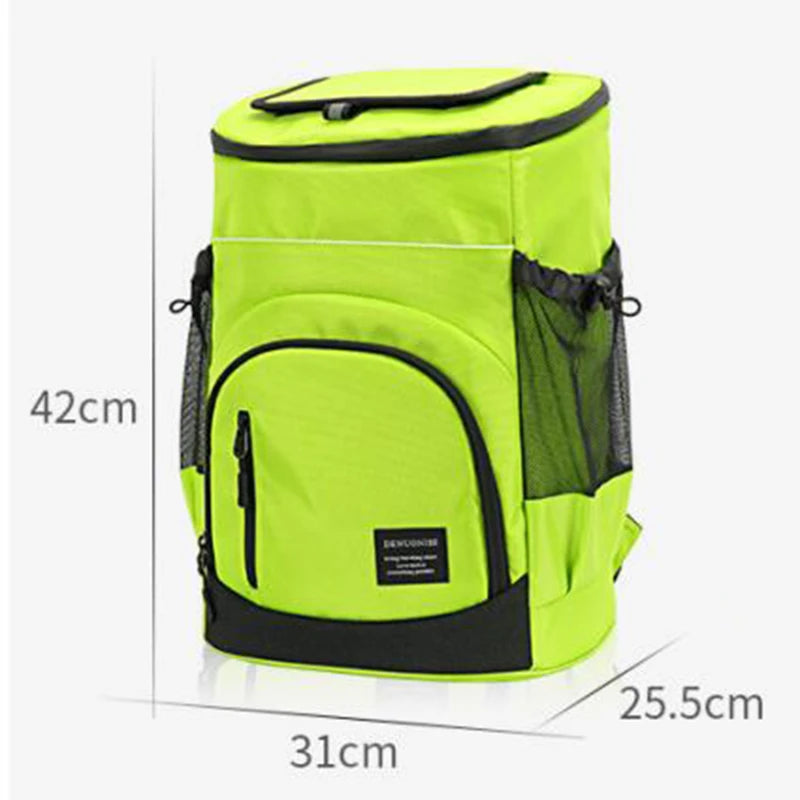
Many cooler backpack reviews mention that mid-range models like the 30L insulated option strike the best balance between capacity, comfort, and insulation. Users report it performs well for 6–10 hour outings when packed correctly and not overfilled.
Key strengths: strong insulation, comfortable straps, and enough space for a family picnic. Some users note that overloading reduces cooling efficiency, which is common across most backpacks in this category.
- Good for 2–4 people day trips
- Works well for beach and picnic use
- Fits drinks, snacks, and ice packs efficiently
Pros and Cons from Cooler Backpack Reviews
| Pros | Cons |
|---|---|
| Hands-free portability | Limited capacity vs hard coolers |
| Lightweight and easy to carry | Strap strain under heavy loads |
| Great for short trips | Ice retention varies by brand |
| Organized compartments | Can leak if poorly sealed |
Quick Checklist Before You Buy
- Do you need a lightweight insulated travel cooler backpack for short trips?
- Will you use it for crowded beaches or open outdoor spaces?
- Do you prioritize comfort over maximum storage?
- Are you okay with learning packing techniques?
💡 See it in action
FAQ: Cooler Backpack Reviews
Do cooler backpacks actually keep food cold?
Yes, most insulated models keep food cold for 6–12 hours depending on ice quality, packing method, and outside temperature.
Are cooler backpacks better than hard coolers?
They are better for mobility and short trips, but hard coolers win in long-term ice retention and large group storage.
What is the biggest mistake buyers make?
Overpacking and expecting hard-cooler performance from a lightweight design.
Can I use a cooler backpack for beaches?
Yes, especially in crowded areas where portability and space-saving design are important.
How do I make ice last longer?
Pre-chill items, use block ice, and keep the bag closed as much as possible.
Pillar Article: Backpack Picnic Cooler Reviews: Real Users Share Honest Results
Other Related Articles:
Explore More:





