

Cooler Backpack Insulated Tech: Why It Keeps Ice Longer
Does a cooler backpack insulated design really keep ice longer?
A cooler backpack insulated with high-density foam, leak-resistant liners, and heat-reflective materials can significantly slow temperature transfer, helping ice remain frozen longer than standard bags. Smart packing methods, pre-chilling contents, and limiting warm air exposure can further improve cooling performance during camping, travel, hiking, and outdoor adventures.
Cooler Backpack Insulated Tech: Why It Keeps Ice Longer
⏱ 8 min read
Few things are more frustrating than reaching your destination and finding warm drinks, melted ice, and soggy food. Whether you're heading out for a campsite, road trip, beach day, hiking adventure, or outdoor event, a cooler backpack insulated with modern thermal technology can make a remarkable difference. But what hidden features actually help ice last longer, and why do some cooler backpacks outperform others in real-world conditions?
Explore how better cooling solutions can make outdoor adventures more comfortable and enjoyable before your next trip.
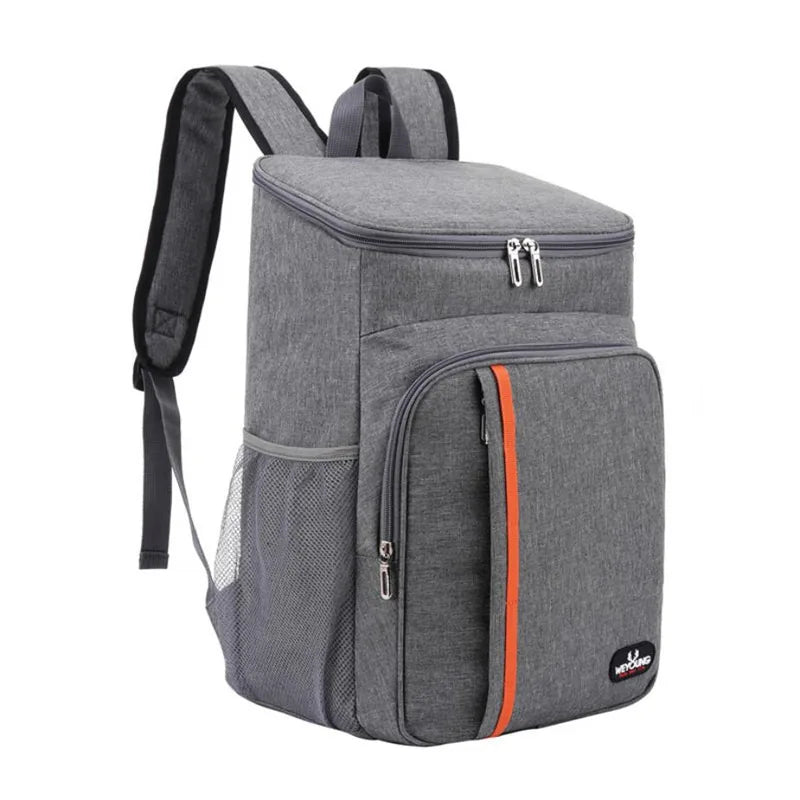
What gear actually makes camping easier? For many outdoor enthusiasts, dependable cold storage ranks near the top of the list. Having access to cold drinks, fresh snacks, and chilled ingredients can dramatically improve comfort during long days outdoors.
💡 See it in action
Why Cooler Backpack Insulated Technology Works Better
A cooler backpack insulated with multiple thermal barriers minimizes heat transfer from the surrounding environment. By combining thick insulation, sealed liners, and efficient compartment design, these backpacks help maintain lower internal temperatures for longer periods while remaining easy to carry during travel, camping, and outdoor activities.
Traditional bags offer little protection against outside temperatures. In contrast, modern insulated cooler backpacks are designed to fight all three forms of heat transfer:
- Conduction: Heat moving through direct contact.
- Convection: Warm air entering the bag.
- Radiation: Heat from sunlight and surrounding surfaces.
- Air infiltration: Warm air entering through openings and seams.
When these factors are controlled, ice survives longer and food stays fresher throughout the day.
How Advanced Thermal Layers Slow Heat Transfer
The effectiveness of a thermal cooler backpack largely comes from its layered construction.
| Layer | Purpose | Benefit |
|---|---|---|
| Outer Shell | Protects against weather and wear | Durability outdoors |
| Thermal Foam | Creates insulation barrier | Longer ice retention |
| Reflective Layer | Deflects radiant heat | Reduced temperature gain |
| Leakproof Liner | Contains moisture | Prevents spills and water loss |
High-density closed-cell foam is particularly effective because it traps tiny pockets of air. Since air is a poor conductor of heat, this structure slows temperature changes inside the backpack.
Many outdoor users also pair their cooler backpacks with products from Insulated Food Containers to create multiple layers of thermal protection.
The Hidden Features That Improve Ice Retention
While insulation thickness gets most of the attention, several overlooked design features often make the biggest difference.
Leakproof Seam Construction
Heat often enters through stitching and seams. Premium designs use welded seams or reinforced liners to minimize temperature leakage.
Airtight Zipper Systems
Every time warm air enters, cooling efficiency drops. Advanced zipper systems help create tighter seals and preserve cold temperatures.
Reflective Interior Surfaces
Reflective liners reduce radiant heat absorption, especially during hot summer outings.
Optimized Interior Shape
A well-designed interior minimizes empty space. Less trapped warm air means better cooling performance.
- Reduced temperature fluctuations
- Longer-lasting ice packs
- Improved food freshness
- Better beverage cooling
- More efficient use of ice
Many experienced campers report that these hidden features have a larger impact than simply adding more ice.
Best Ways to Pack Cooler Backpacks
Even the best cooler backpack insulated technology performs better when packed correctly.
- Pre-chill drinks and food before loading.
- Freeze water bottles when possible.
- Place ice packs at the bottom and top.
- Fill unused space to reduce warm air pockets.
- Keep frequently used items near the opening.
- Limit the number of times the backpack is opened.
These are among the best ways to pack cooler backpacks for maximum ice retention.
For longer trips, many travelers organize supplies using Food Storage Bags & Containers and Camping Storage & Boxes to keep chilled items separated from dry gear.
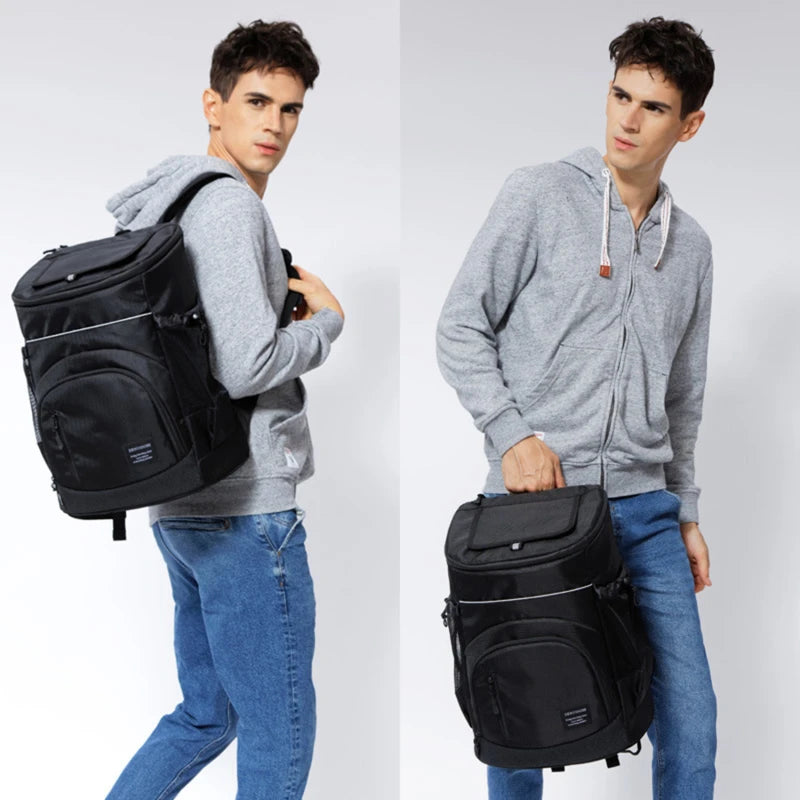
Compare carrying comfort, cooling performance, storage capacity, and durability before investing in your next outdoor setup.
💡 See it in action
Cooler Backpack vs Traditional Coolers
| Feature | Cooler Backpack | Traditional Hard Cooler |
|---|---|---|
| Portability | Excellent | Limited |
| Hands-Free Carrying | Yes | No |
| Trail-Friendly | Excellent | Poor |
| Vehicle Storage | Compact | Bulky |
| Daily Versatility | High | Moderate |
| Travel Convenience | High | Lower |
While large hard coolers may offer extended storage for group events, backpack coolers excel when mobility matters. This is especially important for hiking trails, beach access routes, festivals, fishing spots, and sightseeing adventures.
Why Campers Prefer Thermal Backpack Coolers
A thermal backpack cooler for camping offers a unique combination of portability and performance. Instead of carrying bulky coolers across uneven terrain, campers can comfortably transport chilled supplies while keeping their hands free.
Popular camping scenarios include:
- Weekend tent camping
- Family picnic outings
- Fishing trips
- Mountain hiking excursions
- Beach adventures
- Sporting events
Campers often pair cooling gear with equipment from Camping & Picnic, Camping Tents & Shelter, and Camping Stoves & Cooking to create a complete outdoor setup.
One particularly useful option is the 30L Cooler Bag Insulated Backpack, which combines storage capacity with carrying comfort for extended outdoor use.
Benefits of a Lightweight Insulated Travel Cooler Backpack
Travelers increasingly choose a lightweight insulated travel cooler backpack because it simplifies transportation without sacrificing cooling performance.
Compared to rigid coolers, backpack-style solutions offer:
- Better weight distribution
- Easier airport and road-trip handling
- Greater comfort during walking
- Flexible storage when not in use
- Improved maneuverability in crowded areas
For road trips, many users combine cooling solutions with products from Travel, Car & Road Trip, Car Organizers & Storage, and Car Camping Accessories.
Real-World Traveler Feedback
Outdoor travelers consistently praise insulated backpack coolers for reducing carrying fatigue while keeping beverages cold throughout long sightseeing days.
Common feedback includes:
- "My drinks stayed cold during an entire beach day."
- "Much easier to carry than a hard cooler."
- "Perfect for road-trip stops and picnics."
- "Comfortable enough for hiking trails."
Common Mistakes That Reduce Cooling Performance
Even premium coolers can lose efficiency when used incorrectly.
| Mistake | Impact |
|---|---|
| Loading warm drinks | Accelerates ice melt |
| Opening too often | Introduces warm air |
| Leaving empty space | Creates heat pockets |
| Direct sunlight exposure | Raises internal temperature |
| Insufficient ice packs | Shortens cooling duration |
If you're wondering how to keep drinks cold longer, avoiding these mistakes can often improve results as much as upgrading equipment.
For even better outdoor comfort, many adventurers combine cooler backpacks with Collapsible Water Bottles, Personal Water Filters, and Lightweight Daypacks.
💡 See it in action
Why a Cooler Backpack Insulated Design Is Worth Considering
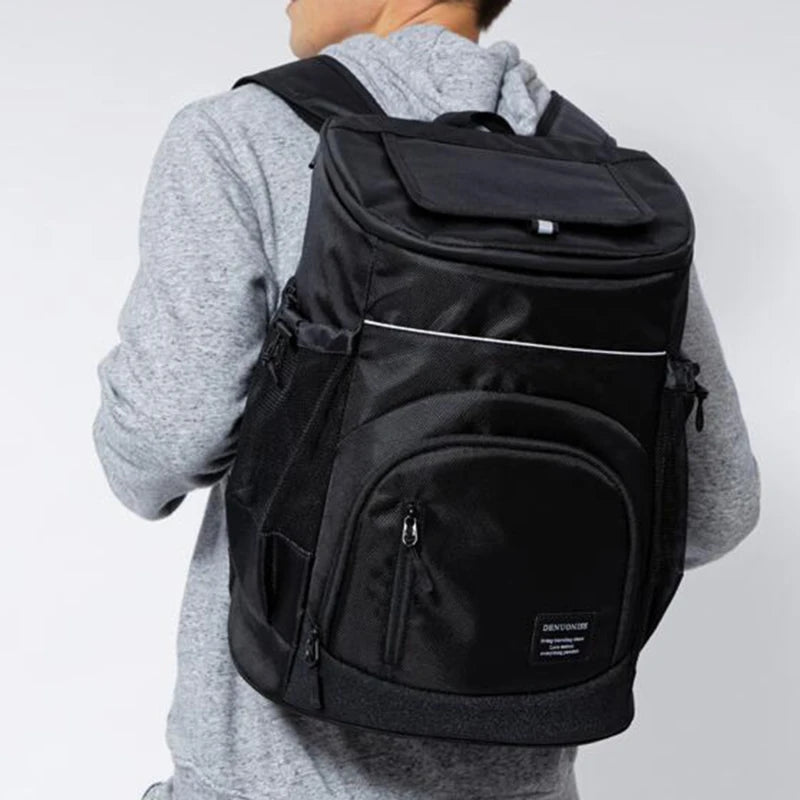
Modern insulation technology has transformed what a portable cooler can achieve. Through advanced foam layers, reflective barriers, leak-resistant construction, and intelligent compartment design, today's cooler backpacks keep ice frozen significantly longer than many people expect.
Whether you're planning weekend camping trips, family picnics, hiking adventures, beach outings, or extended road travel, the right insulated backpack can improve convenience, comfort, and food safety while reducing carrying fatigue.
For shoppers comparing performance, portability, and cooling efficiency, the 30L Cooler Bag Insulated Backpack offers a practical solution designed to support real outdoor adventures.
Choose dependable cooling performance and enjoy colder drinks, fresher food, and more comfortable outdoor experiences wherever your adventures take you.
Frequently Asked Questions
How long can a cooler backpack insulated design keep ice frozen?
Performance varies based on insulation quality, ambient temperature, packing methods, and ice quantity. Properly packed insulated cooler backpacks can maintain cold temperatures for many hours and, in some conditions, much longer.
What is the best way to keep drinks cold longer?
Pre-chill beverages, use frozen water bottles, minimize empty space, keep the cooler closed whenever possible, and store it away from direct sunlight.
Are cooler backpacks good for camping?
Yes. A thermal backpack cooler for camping provides mobility, hands-free carrying, and reliable cold storage without the bulk of a traditional hard cooler.
Can cooler backpacks replace traditional coolers?
For many day trips, hikes, picnics, and travel situations, cooler backpacks provide excellent convenience. Larger group gatherings may still benefit from high-capacity hard coolers.
What should I pack with a cooler backpack?
Cold drinks, sandwiches, snacks, fruit, meal-prep containers, frozen water bottles, and ice packs are among the most common items carried inside insulated backpack coolers.
Pillar Article: Insulated Backpack Coolers: Features That Keep Food Cold Longer
Other Related Articles:
Explore More:





