

Camping When Raining? Set Up A Dry Campsite In 7 Steps
Camping When Raining? Set Up A Dry Campsite In 7 Steps
⏱ 8 min read
Does camping when raining have to be miserable?
Camping when raining can still be comfortable, dry, and enjoyable when you choose the right shelter, protect the ground beneath your campsite, and organize gear correctly. A few smart setup decisions can keep children dry during outdoor rain, prevent soaked equipment, and create a cozy outdoor base even during extended wet weather.
Camping when raining doesn't have to mean wet sleeping bags, muddy shoes, and frustrated kids. Whether you're planning a family weekend getaway or a multi-day outdoor adventure, the right campsite setup can make the difference between a miserable experience and a memorable one. In this guide, you'll learn seven practical steps to create a dry campsite, discover how to choose waterproof canopy for outdoors, and see why a hammock rainfly and picnic tarp combo can transform rainy camping into a comfortable adventure.
👉 Discover must-have camping gear for wet-weather adventures. A reliable shelter system can turn a stormy forecast into an enjoyable weekend outdoors.
💡 See it in action
Why Rain Camping Can Be Fun
Many campers cancel trips when rain appears in the forecast. Yet some of the most peaceful camping experiences happen during light rain. Trails are quieter, campsites are less crowded, and the sound of rainfall on a well-pitched shelter creates a relaxing atmosphere.
The challenge isn't the rain itself. The challenge is staying organized and dry.
What gear actually makes camping easier? The answer starts with planning your shelter system before you arrive at camp.
| Common Problem | Simple Solution |
|---|---|
| Wet tent floor | Ground tarp and elevated site selection |
| Soaked gear | Waterproof storage organization |
| Uncomfortable children | Dedicated dry play zone |
| Rain during meals | Covered communal shelter area |
Step 1: Choose Higher Ground For Better Drainage
The first rule of camping when raining is selecting the right location.
A campsite that looks perfect in dry weather can become a muddy pool after several hours of rain. Look for slightly elevated ground where water naturally flows away.
- Avoid low spots and depressions
- Stay away from dried creek beds
- Look for natural drainage slopes
- Check for signs of previous water flow
Even a few inches of elevation can make a major difference during a storm.
Before setting up, walk around the area and imagine where water would travel if heavy rain started immediately.
Step 2: Build Shelter Before Anything Else
Camping when raining becomes dramatically easier when your overhead shelter goes up first.
Before unloading sleeping bags, cooking supplies, or clothing, create a covered working area. This prevents gear from getting soaked during setup.
A large waterproof canopy provides a central gathering space where everyone can stay comfortable while the campsite is organized.
When learning how to choose waterproof canopy for outdoors, prioritize:
- Strong waterproof ratings
- Reinforced tie-out points
- Durable corner stitching
- Easy setup in changing weather
- Adequate coverage for your group size
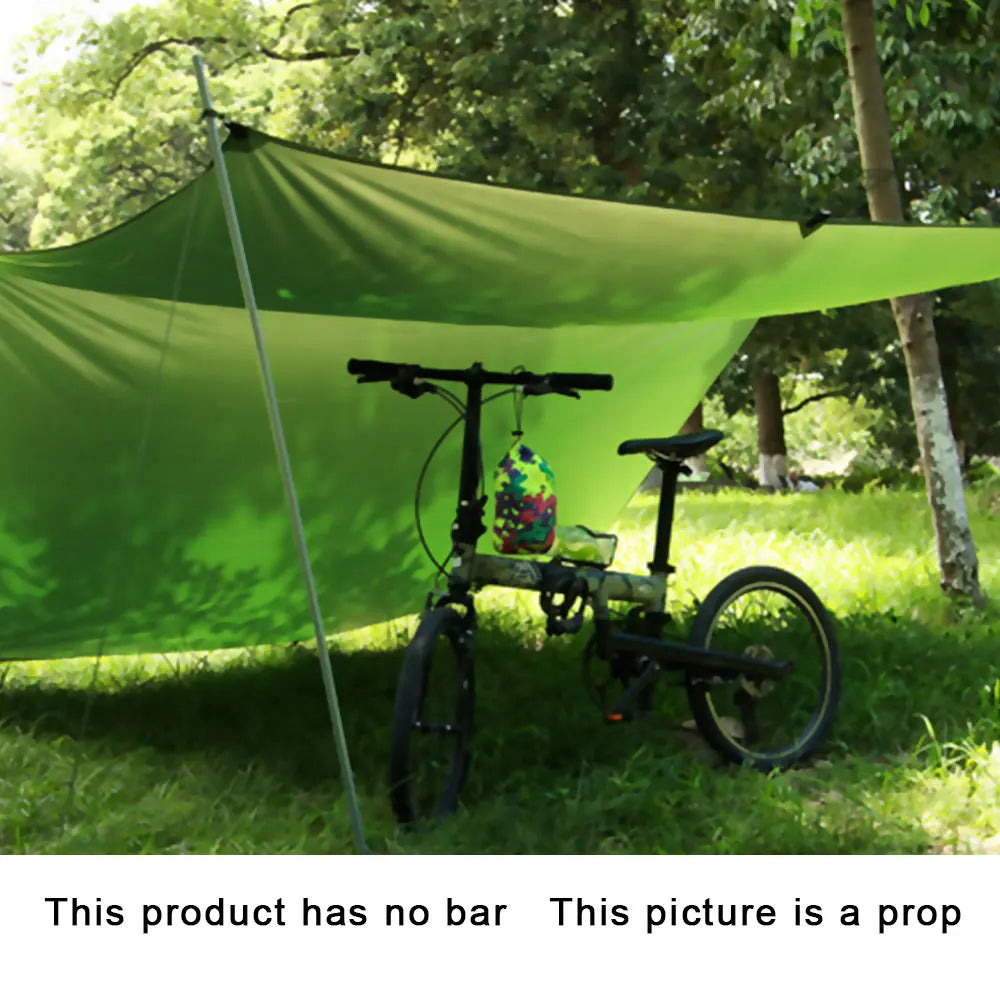
One popular solution is a versatile shelter like this waterproof outdoor canopy, which provides immediate protection during campsite setup and daily camp activities.
For additional shelter options, explore Camping Tents & Shelter and Sun Shades & Canopies.
Step 3: Protect The Ground Before Pitching Your Tent
Many campers focus on protecting the top of their tent while forgetting about the ground underneath.
Moisture from below can be just as problematic as rainfall from above.
- Clear sharp debris from the site.
- Lay a groundsheet slightly smaller than the tent footprint.
- Ensure no tarp edges extend beyond the tent.
- Check for water pooling risks before pitching.
Ground protection products from Ground Sheets & Tarps can significantly improve comfort and dryness.
Pairing ground protection with gear from Weather Protection & Environment creates an effective defense against persistent rainfall.
Step 4: Create A Dry Living Area With A Hammock Rainfly And Picnic Tarp Combo
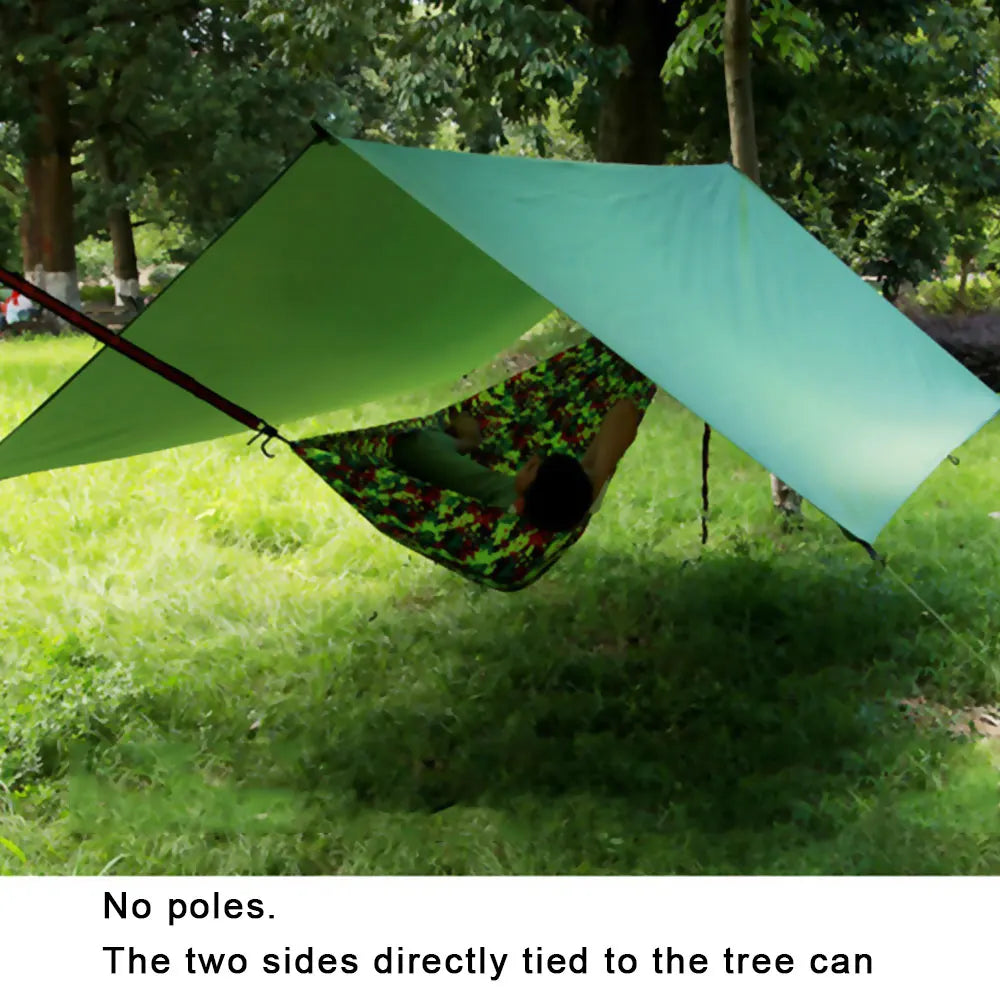
A hammock rainfly and picnic tarp combo is one of the most effective ways to expand covered space during wet weather.
Instead of relying solely on your tent, create a secondary protected zone for cooking, relaxing, and organizing equipment.
This setup provides several advantages:
- Separate cooking and sleeping areas
- Better ventilation
- More space for family activities
- Improved comfort during long rain events
- Protection for tables, chairs, and gear
Campers frequently report that adding a rainfly-and-tarp system transforms rainy trips from stressful to enjoyable.
Combine shelter systems with products from Folding Chairs & Tables and Picnic Mats & Blankets for a more comfortable living area.
👉 Learn how to choose the right outdoor shelter setup. Matching canopy coverage, tarps, and campsite layout can dramatically improve comfort during extended rainfall.
💡 See it in action
Step 5: Keep Children Dry During Outdoor Rain
Families often worry most about keeping kids comfortable. Fortunately, camping with children in rain can be fun when you prepare properly.
The secret is creating a dedicated dry zone where children can play, read, eat, and rest without constant exposure to moisture.
To keep children dry during outdoor rain:
- Pack multiple clothing layers
- Store spare clothes in waterproof bags
- Create a covered activity area
- Use waterproof footwear
- Keep towels easily accessible
- Rotate wet clothing immediately
Many experienced parents also keep a dedicated emergency outfit sealed inside Waterproof & Dry Bags.
For family trips, equipment from Family Outdoor Bundles and Kids Seating & Comfort can help maintain comfort during rainy afternoons.
Simple Rainy-Day Activities For Children
- Nature scavenger hunts under shelter
- Card games and travel games
- Wildlife observation
- Storytelling sessions
- Rain sound identification challenges
When children stay entertained, rainy weather feels less like an obstacle and more like part of the adventure.
Step 6: Organize Gear To Prevent Water Damage
Disorganized gear is one of the biggest causes of frustration during wet-weather camping.
Establish dedicated zones for sleeping equipment, cooking supplies, wet clothing, and emergency gear.
| Gear Category | Storage Recommendation |
|---|---|
| Clothing | Waterproof bags |
| Food | Sealed containers |
| Electronics | Dry storage box |
| Emergency supplies | Quick-access pouch |
Helpful organization products include:
- Camping Storage & Boxes
- Gear Organizers & Pouches
- Compression & Packing Bags
- Hooks, Clips & Carabiners
One camper shared that switching to labeled waterproof storage reduced setup and cleanup time by nearly half during a three-day rainy weekend.
Step 7: Manage Food, Lighting, And Comfort Like A Pro
Rain camping success often comes down to comfort.
Warm meals, dry seating, and reliable lighting make a tremendous difference when weather conditions become challenging.
Consider adding:
- Camping Stoves & Cooking
- Outdoor Cookware
- Insulated Food Containers
- Tent & Camping Lanterns
- Portable Power Banks
- Blankets & Sleeping Comfort
A warm dinner beneath a waterproof shelter often becomes the highlight of a rainy camping trip.
For overnight comfort, explore Sleeping Bags & Sleeping Pads and Outdoor Comfort & Recovery.
Essential Rain Camping Checklist
Before your next trip, confirm you have these essentials packed:
- Waterproof canopy shelter
- Ground tarp
- Extra rainfly
- Waterproof storage bags
- Dry clothing layers
- Lanterns and backup batteries
- Portable power source
- Emergency first aid kit
- Insulated food storage
- Rain protection for children
For safety, don't overlook First Aid Kits, Safety, Survival & Emergency, and Rain Ponchos & Capes.
Common Mistakes To Avoid During Rain Camping
- Setting up camp in low areas
- Pitching tents before overhead shelter
- Leaving gear exposed during setup
- Failing to separate wet and dry equipment
- Underestimating children's clothing needs
- Ignoring drainage patterns around camp
Avoiding these mistakes can dramatically improve your overall experience and help keep children dry during outdoor rain.

💡 See it in action
Turn Rainy Forecasts Into Memorable Adventures
Camping when raining doesn't require expensive gear or advanced skills. Success comes from thoughtful preparation, smart shelter placement, and keeping essential equipment protected.
By choosing higher ground, protecting the campsite floor, creating a dry communal area, and using a hammock rainfly and picnic tarp combo, you'll enjoy greater comfort even during extended storms.
Families who camp with children in rain often discover that rainy trips become some of their most memorable outdoor experiences. The key is preparation rather than avoidance.
For dependable shelter solutions, consider this waterproof outdoor canopy and complement it with gear from Camping & Picnic, Sun Shades & Canopies, and Ground Sheets & Tarps.
👉 Get yours now before your next trip! A dependable shelter system can help you stay dry, organized, and comfortable no matter what the forecast brings.
Frequently Asked Questions
Is camping when raining safe?
Yes. Camping during rain is generally safe when you avoid flood-prone areas, monitor weather forecasts, and use appropriate waterproof shelter and gear.
How do I keep children dry during outdoor rain?
Pack multiple clothing layers, store backup outfits in waterproof bags, create a covered play area, and change wet clothing immediately.
How do I choose waterproof canopy for outdoors?
Look for durable waterproof materials, reinforced tie-out points, adequate coverage, reliable setup systems, and weather-resistant construction.
What is a hammock rainfly and picnic tarp combo?
It is a versatile shelter setup that combines overhead rain protection with ground coverage, creating a larger dry living space for cooking, relaxing, and storing gear.
What is the most important rain camping tip?
Establish overhead shelter first. Protecting gear during setup prevents many of the problems campers experience in wet conditions.
Pillar Article: Portable Camping Shelters: How To Choose And Set Up Fast
Other Related Articles:
- Portable Sun And Rain Shelters: How To Adapt To Any Forecast
- How To Pitch Pop Up Tents For The Beach In Under 5 Minutes
- How To Use Beach Sun Shelters For All-Day Family Comfort
Explore More:





