

Best Carabiners For Climbing In 2026: Side-By-Side Review
What are the best carabiners for climbing?
The best carabiners for climbing are strong, certified models with a minimum 20kN strength rating, reliable gate mechanisms, and durable materials like aluminum or steel. Choosing the right type—such as locking or non-locking—depends on your climbing style, ensuring safety, efficiency, and long-term reliability on every ascent.
Best Carabiners For Climbing In 2026: Side-By-Side Review
Looking for the best carabiners for climbing without wasting time on weak picks? This guide breaks down how to choose strong climbing carabiners, highlights high-strength outdoor gear attachment clips, and offers a detailed guide to outdoor carabiner types so you can match the right tool to your climb. From durability secrets to safety ratings most climbers overlook, you’ll uncover smarter buying decisions—but which model truly stands out?
⏱ 8 min read
Ever packed your climbing gear, only to question whether your carabiners can actually handle the load? That split-second doubt matters. Whether you're scaling rock faces or setting up a campsite, the wrong clip can mean frustration—or worse, failure.
So what gear actually makes climbing safer and easier?
👉 Discover must-have camping gear
💡 See it in action
Side-by-Side Comparison of Top Carabiners
| Carabiner Type | Strength (kN) | Best Use | Pros | Cons |
|---|---|---|---|---|
| Locking Carabiner | 20–30 | Belaying, anchors | High safety, secure | Heavier |
| Non-Locking | 18–24 | Quickdraws | Lightweight, fast | Less secure |
| Wire Gate | 20–25 | Sport climbing | No gate freeze | Less durable feel |
| Screw Gate | 22–30 | Anchors, rigging | Reliable locking | Slower to use |
Many climbers report switching to locking carabiners for anchors improved their confidence dramatically—especially in unpredictable outdoor conditions.
Detailed Guide to Outdoor Carabiner Types
Locking Carabiners: Built for Maximum Safety
Ideal for belaying and anchors, these include screw gate and auto-lock designs. They reduce accidental openings and are essential for high-risk situations.
Non-Locking Carabiners: Speed and Efficiency
Perfect for quickdraws and gear racking. Lightweight and easy to clip, but require careful handling.
Wire Gate Carabiners: Lightweight Performance
Favored for alpine climbing due to reduced gate flutter and freezing risk.
Specialty Shapes: D, HMS, Oval
- D-shape: Strong and efficient load distribution
- HMS: Best for belaying knots
- Oval: Balanced but less strong
Explore more gear in Hooks, Clips & Carabiners for versatile options.
How to Choose Strong Climbing Carabiners
- Check Strength Rating: Look for at least 20kN major axis strength.
- Choose the Right Gate: Locking for safety, non-locking for speed.
- Consider Weight: Lightweight for long climbs, heavier for durability.
- Match Your Activity: Sport, trad, or camping setups need different types.
Pair your gear with essentials from Backpacking & Carry for better organization on the trail.
👉 Learn how to choose the right hiking gear
Best Carabiners for Climbing: Top Pick Breakdown
The best carabiners for climbing combine strength, reliability, and versatility. A well-balanced option offers secure clipping, durable construction, and enough load capacity for both climbing and outdoor use. Choosing a dependable set ensures safety while keeping your gear setup efficient and lightweight.
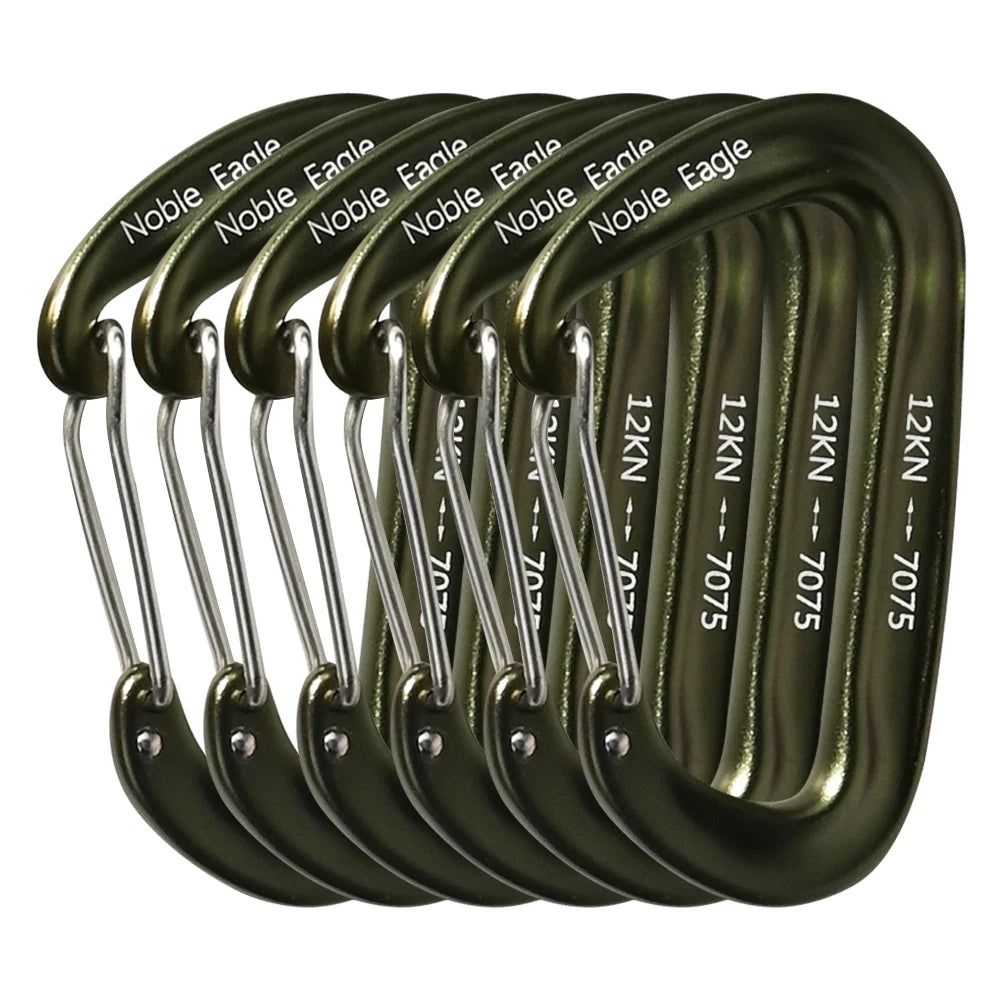
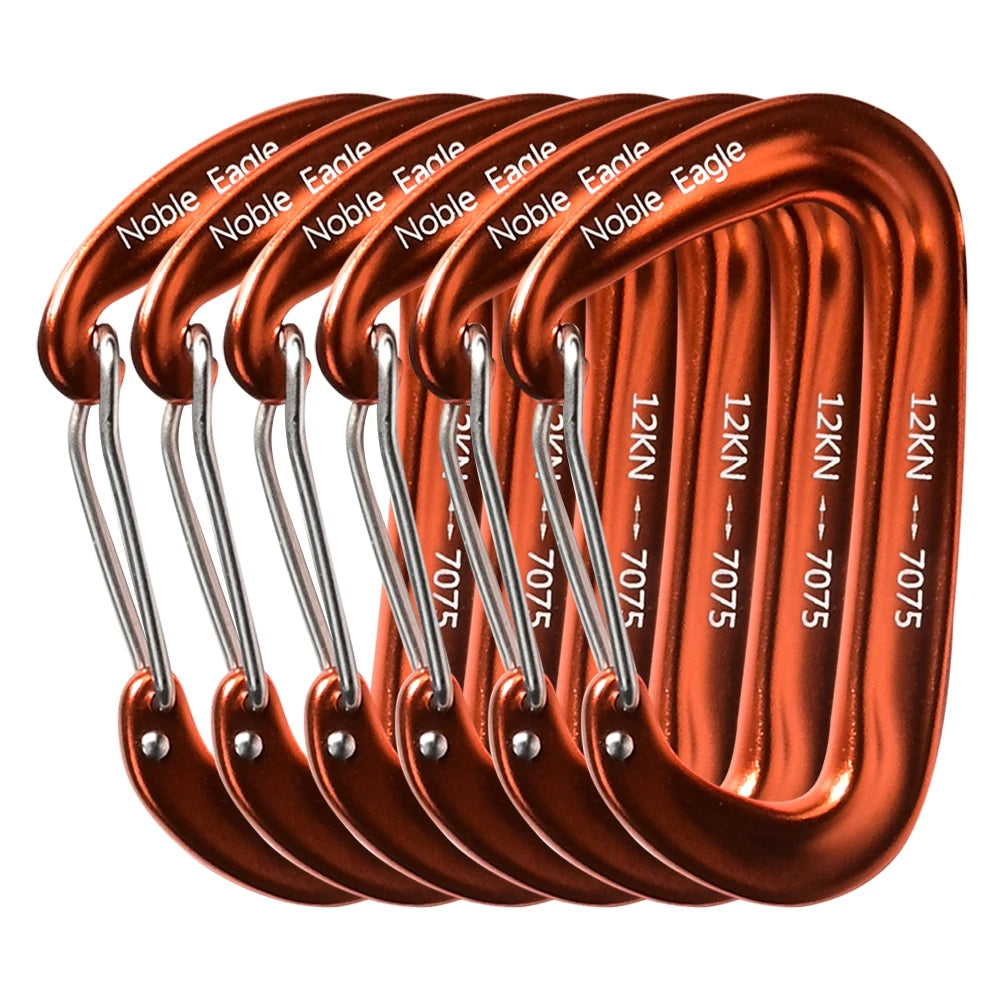
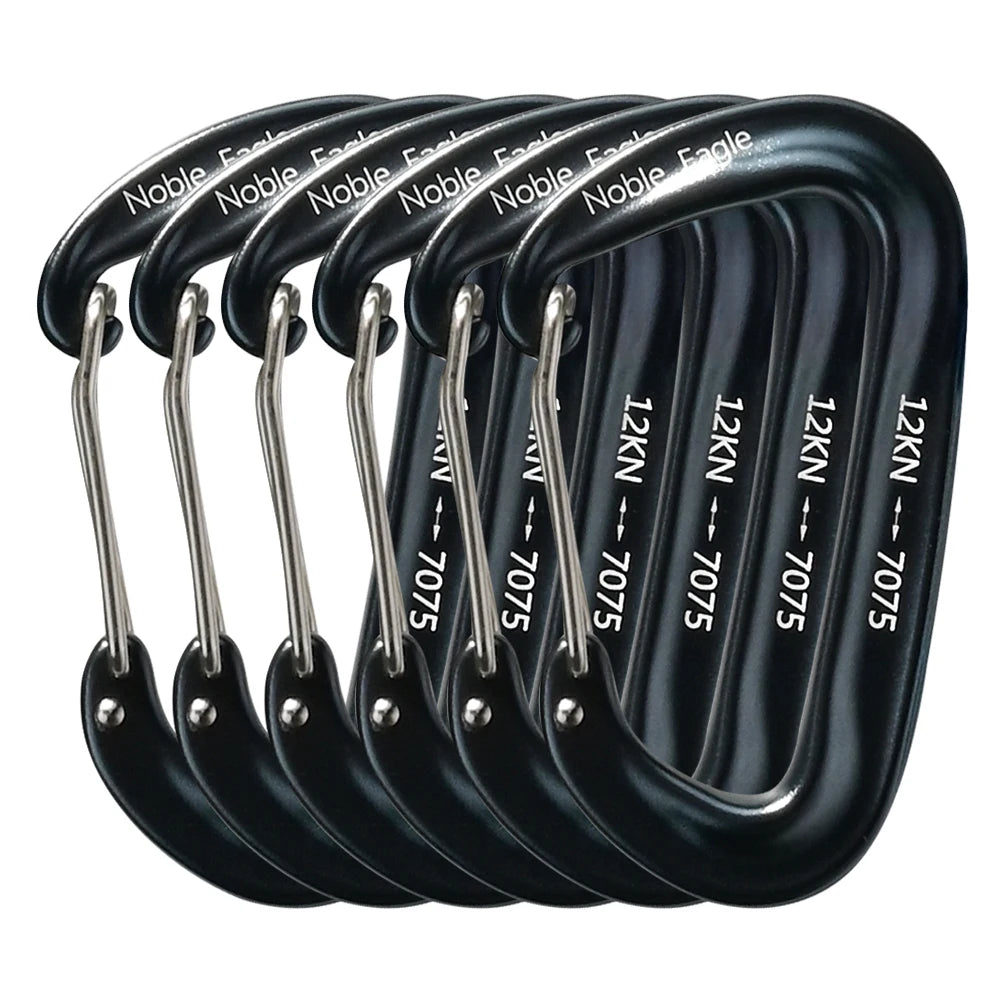
12kN Aluminum Carabiner Clip Set
12kN Aluminum Carabiner Clip Set stands out as a versatile, budget-friendly option for outdoor enthusiasts.
- Strength: 12kN rating suitable for light-duty and camping tasks
- Material: Aircraft-grade aluminum
- Best for: Gear attachment, camping, hiking
- Weight: Ultra-light for easy carry
Pros and Cons
| Pros | Cons |
|---|---|
| Lightweight and portable | Not for heavy climbing loads |
| Affordable multi-pack | No locking mechanism |
| Rust-resistant | Limited professional use |
Outdoor users often mention how these clips simplify gear organization—especially when paired with Gear Organizers & Pouches.
💡 See it in action
Avoid These Costly Carabiner Mistakes
- Using non-rated clips for climbing: Always check certifications.
- Ignoring gate type: Wrong gate can slow or endanger you.
- Overloading: Respect weight limits.
- Poor maintenance: Dirt and rust reduce reliability.
For safer outdoor adventures, combine your setup with gear from Safety, Survival & Emergency.
How the Right Carabiner Improves Your Outdoor Experience
- Faster setup at campsites
- Better gear organization
- Reduced risk during climbs
- More confidence in challenging conditions
Whether you're securing a hammock from Hammocks & Straps or organizing tools, the right clip makes a noticeable difference.
💡 See it in action
Final Thoughts: Choosing the Right Carabiner for Your Climb
Climbing isn’t just about strength—it’s about trust in your gear. The best carabiners for climbing combine durability, smart design, and the right features for your specific needs.
From heavy-duty locking models to lightweight utility clips, each option serves a purpose. Understanding those differences helps you climb smarter, safer, and more confidently.
👉 Get yours now before your next trip!
Frequently Asked Questions
What strength carabiner is safe for climbing?
Most climbing carabiners should have at least a 20kN rating on the major axis. Lower ratings are suitable for gear attachment but not for supporting body weight.
Can I use any carabiner for climbing?
No. Only certified climbing carabiners designed for load-bearing use should be trusted. Decorative or utility clips are not safe for climbing.
What is the difference between locking and non-locking carabiners?
Locking carabiners have mechanisms to prevent accidental opening, making them safer for anchors and belaying. Non-locking types are quicker to use but less secure.
Pillar Article: D Shaped Carabiner Review: Which One Fits Your Adventure Best
Other Related Articles:
- Smallest Climbing Carabiner Comparison: Lightweight Yet Strong
- Heavy Duty Carabiner Review: Which Clips Hold Up In Extreme Conditions
- Non Locking Carabiner Comparison: Best Options For Everyday Use
- Aluminum Carabiner Clip Vs Aluminium Carabiner Clip: Key Differences
Explore More:





