

Backpack Compression Bags: Best Uses For Hiking And Travel
What are backpack compression bags?
Backpack compression bags are space-saving organizers designed to reduce the volume of clothing and gear inside your pack. Backpack compression bags help hikers and travelers fit more essentials into limited space by removing excess air and tightening packed items, making trips lighter, more organized, and significantly easier to manage on the move.
Backpack Compression Bags: Best Uses For Hiking And Travel
If you’ve ever sat on your backpack trying to zip it shut before a hike or struggled to fit one more jacket into a carry-on, you already know the frustration of limited space. What gear actually makes packing easier instead of harder? Backpack compression bags are designed to solve exactly that problem, helping you carry more while weighing less and staying organized on the trail or during travel.
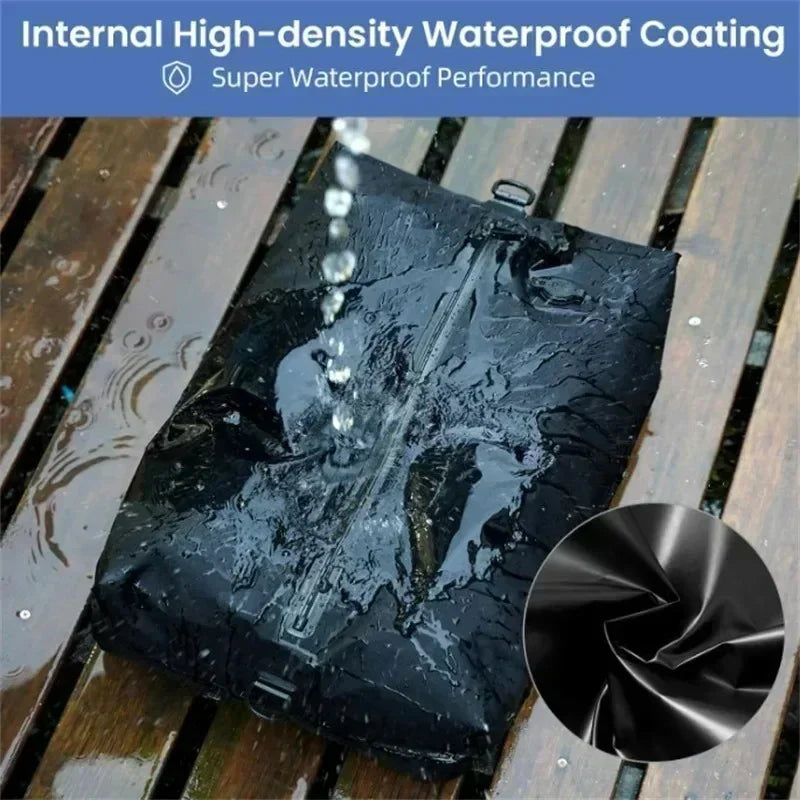
💡 See it in action
Lighten your load and organize smarter before your next adventure by exploring essential packing solutions designed for hikers and travelers.
Why Backpack Compression Bags Change the Way You Pack
Backpacking is all about efficiency. Every inch of space matters when you’re carrying your entire world on your back. A durable reusable compression bag for backpacks helps you remove unnecessary air and bulk from clothing, sleeping gear, and soft items, leaving more room for essentials.
- Reduces clothing volume significantly
- Keeps gear organized and separated
- Helps balance weight distribution in your pack
- Protects items from moisture and dirt
Instead of stuffing items randomly, compression bags create structure inside your backpack, making it easier to find what you need without unpacking everything.
Best Uses for Hiking Trips
On the trail, space and weight management can make or break your experience. A vacuum packing bag for hiking essentials allows you to pack efficiently for multi-day hikes without carrying oversized gear.
Common hiking uses include:
- Compressing spare clothing layers for cold nights
- Storing sleeping clothes separately from wet gear
- Keeping emergency insulation layers compact
- Organizing socks, base layers, and lightweight jackets
Hikers often pair compression bags with items from Sleeping Bags & Sleeping Pads to reduce bulk while still maintaining warmth and comfort in unpredictable conditions.
Discover how smart packing choices improve comfort, endurance, and safety on long outdoor trips.
Travel Packing Made Easier and Lighter
Whether you’re moving between airports, buses, or road trips, compression bags simplify travel organization. Instead of dealing with overflowing luggage, you can pack efficiently and stay flexible.
Travelers often use compression systems to separate outfits, reduce suitcase clutter, and prepare for changing weather conditions on the road.
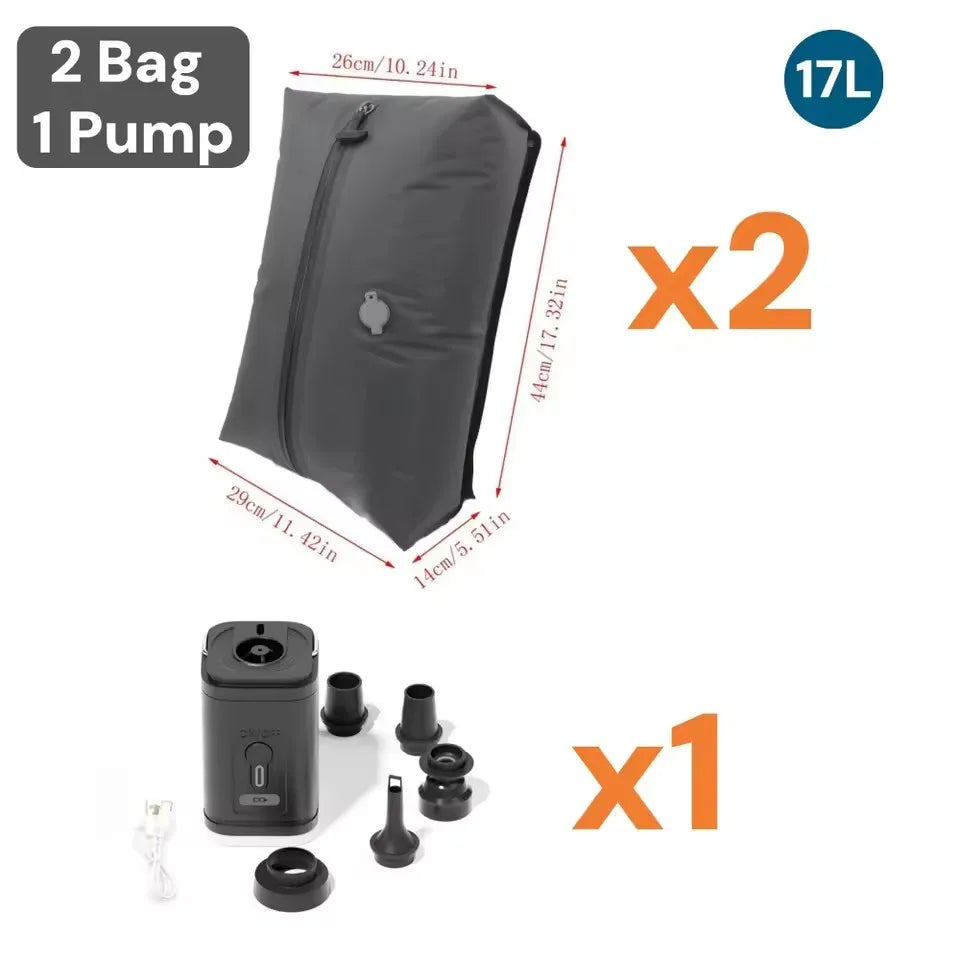
💡 See it in action
Real traveler scenario
A weekend backpacker flying to multiple cities uses compression bags to separate city clothes, hiking gear, and sleepwear. This avoids unpacking everything daily and keeps items clean and accessible throughout the journey.
For even more organization, pair compression solutions with Gear Organizers & Pouches to separate small essentials like chargers, toiletries, and accessories.
Compression vs Traditional Packing
| Feature | Compression Bags | Traditional Packing |
|---|---|---|
| Space efficiency | High – reduces volume significantly | Low – air pockets remain |
| Organization | Structured and separated | Often messy or mixed |
| Weight management | Balanced and compact | Uneven distribution |
| Protection | Better against moisture and dirt | Limited protection |
Tips for Maximizing Backpack Space on Trips
Using compression bags effectively is about more than just squeezing items smaller. Smart packing strategy makes a big difference in comfort and accessibility during travel or hiking.
Top practical tips:
- Pack heavy items at the center of your backpack for balance
- Roll clothes before placing them in compression bags
- Group similar items together (cold gear, sleep gear, daily wear)
- Avoid over-compressing items you’ll need quickly
For outdoor explorers, combining compression packing with equipment from Backpacking & Carry improves weight balance and reduces fatigue during long hikes.
Choosing the Right Compression Bag for Your Needs
Not all compression systems are the same. A well-designed vacuum packing bag for hiking essentials should be lightweight, durable, and easy to use in outdoor conditions.
If you want a reliable option, consider exploring this travel-ready solution: Vacuum Compression Bag 17L Travel.
- Best for multi-day hiking trips
- Works well for seasonal clothing changes
- Ideal for backpackers aiming for minimal load
Common Mistakes to Avoid
Even experienced travelers sometimes misuse compression systems. Avoid overpacking beyond recommended limits, as it can damage both the bag and your gear. Also, don’t compress items that need airflow, like damp clothing or delicate fabrics.
Who Benefits Most from Compression Packing?
Compression systems are especially useful for:
- Long-distance hikers carrying multi-day gear
- Backpackers moving between cities or countries
- Minimalist travelers aiming to reduce luggage size
- Outdoor campers needing organized storage in small packs
Even casual weekend travelers notice a major difference in convenience and packing speed after switching to compression-based organization.
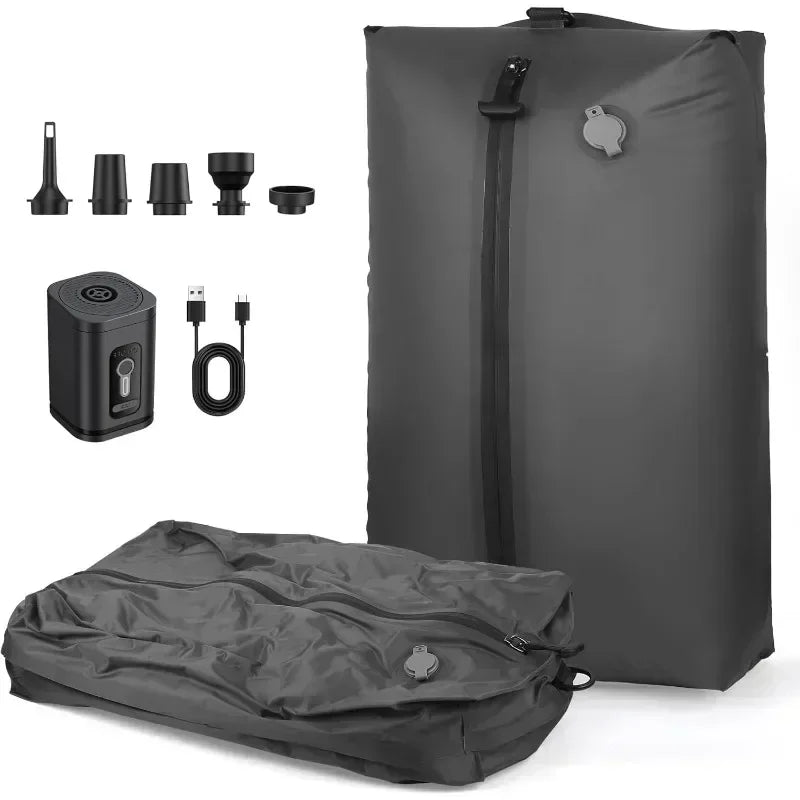
💡 See it in action
FAQ: Backpack Compression Bags
Do backpack compression bags really save space?
Yes, they remove excess air and compress soft items like clothing and sleeping gear, often reducing volume by up to 50% depending on material and packing method.
Can I use compression bags for hiking trips?
Absolutely. They are especially useful for organizing clothing layers, sleeping gear, and keeping items dry and compact during outdoor adventures.
Are vacuum compression bags reusable?
Yes, most high-quality options are designed to be reusable, making them a long-term packing solution for frequent travelers and hikers.
What should not be packed in compression bags?
Avoid packing fragile items, sharp objects, or damp clothing that needs ventilation, as compression may damage or trap moisture.
How do I maximize backpack space effectively?
Combine compression bags with smart layering, weight balancing, and category-based packing to make your backpack more efficient and easier to carry.
Final Thoughts
Backpacking and travel become far more manageable when every item has a purpose and place. With the right compression system, you can carry less bulk, stay organized, and move more freely through trails, airports, and campsites. Smarter packing doesn’t just save space—it changes the way you experience the journey itself.
Pillar Article: Vacuum Sealed Travel Bags With Pump: Which Bag Fits Your Trip
Other Related Articles:
Explore More:





